Slitting & Rewinding Equipment
Explore horizontal, vertical and centre-surface configurations, alongside large-roll and specialised converting layouts. The right choice depends on material behaviour, roll format and the required cutting result.

EQUIPMENT & APPLICATIONS
DJH Machinery brings together slitting and rewinding equipment with the blades, shafts and rollers used along the web path. Our product range helps converters begin with the material and finish with a clearly defined machine or component requirement. DJH supplies slitting and rewinding equipment and converting components for application-specific sourcing discussions.
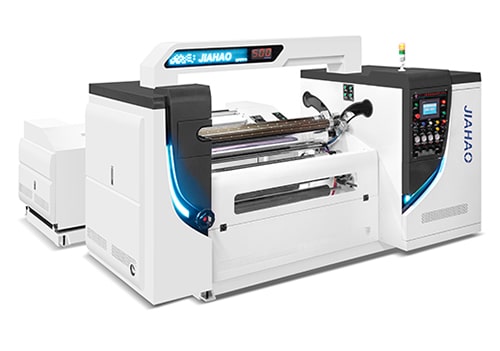
DJH Machinery · equipment and application reference
OUR FOCUS
A good finished roll depends on more than a cutting blade. The parent roll must be loaded and unwound, the web guided and slit, and the separate lanes rewound into rolls that suit the next process. DJH Machinery’s range covers equipment and components across these stages.
Explore horizontal, vertical and centre-surface configurations, alongside large-roll and specialised converting layouts. The right choice depends on material behaviour, roll format and the required cutting result.
Blades, air shafts, spreader rollers, rubber-covered rollers and cooling rollers address different functions. Component selection starts with the installed interfaces and operating duty.
Paper, film, foil, nonwoven, thermal paper, tape and label constructions each bring different concerns. Share a material specification and finished-roll target so the equipment discussion stays relevant.
A CLEAR EQUIPMENT SCOPE
Describe the incoming web, the finished product and the issue you need to address: edge dust, winding firmness, wrinkles, roll capacity or changeover.
Review winding type, shaft arrangement, width, loading and roll removal. Compare the entire configuration rather than choosing by maximum speed alone.
The proposal should identify the model version, supplied functions, options, utilities and equipment boundaries. Keep the same configuration reference through quotation and order review.
Agree the trial material, slit pattern, operating conditions and checks for the finished rolls. Use observable results as the basis for acceptance.
A CLEAR EQUIPMENT SCOPE
For equipment, useful evidence includes a matching specification, a clear machine layout, close-up views of the web path and a demonstration using a comparable material. For replacement parts, a dimensioned drawing and interface check are more useful than a similar product photo.
Record slit-width requirements, edge condition, roll formation, controls and safety functions in the agreed inspection scope.
Identify critical dimensions, shaft interfaces, contact materials and finish. Specify the measurements or documents needed with the supply.
Ask for a demonstration relevant to your material and configuration. A video of another machine does not establish the performance of the selected model.
A CLEAR EQUIPMENT SCOPE
Installation, training, maintenance and replacement parts should be discussed before the machine is ordered. The required support and its delivery method belong in the project scope.
Check floor space, machine access, roll-handling equipment, power supply and any compressed-air or extraction requirements.
Agree whether remote guidance or on-site work is required, who will provide it, and the operator and maintenance topics to cover.
Keep model references, electrical information, blade dimensions and shaft drawings accessible. Identify wear parts and critical spares with the proposed equipment.
CONNECTED ENGINEERING
Slitting quality depends on how the complete web path works together. Review each stage against your material and output.
Parent-roll diameter, weight and core dimensions determine the starting conditions.
Web position and tension affect how the material arrives at the cutting section.
Cutting method, blade arrangement and substrate determine the edge requirements.
Core size, finished diameter and roll structure define the required output.
EXPLORE DJH
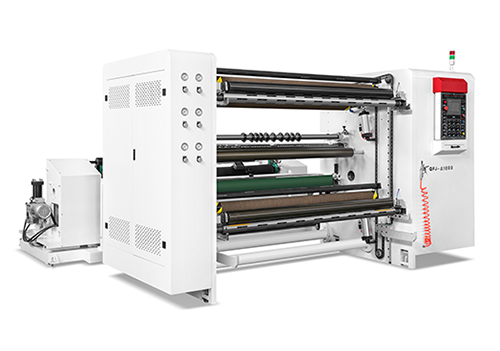
Match your paper grade, parent roll and finished-roll requirements to a suitable slitting and rewinding configuration. Compare the listed models, then confirm the details that matter for your production. As a paper slitting machine supplier, DJH helps you compare the proposed equipment against your paper grade, grammage, slit widths and finished-roll dimensions.
Explore Application ↗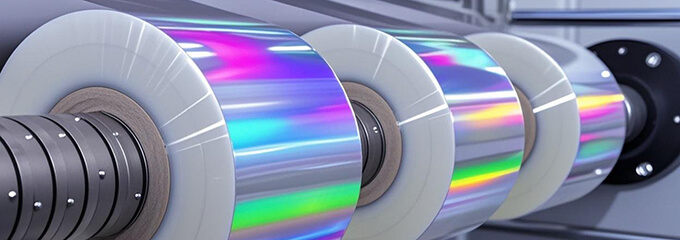
Define the film structure, thickness and finished-roll quality you need. Review cutting, web handling and rewinding as one connected configuration. As a film slitting machine supplier, DJH helps you compare the proposed equipment against your film structure, thickness, tension requirements and finished-roll quality.
Explore Application ↗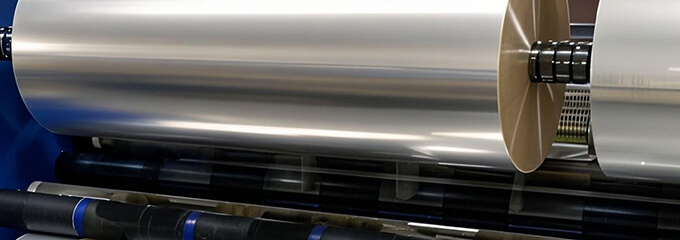
Start with the foil grade, thickness and required slit edge. Discuss roll handling, cutting and rewinding around your material specification. As a metal foil slitting machine supplier, DJH helps you compare the proposed equipment against your foil grade, thickness, edge requirements and roll dimensions.
Explore Application ↗
Match the slitting and rewinding discussion to your nonwoven construction, roll format and finished-roll requirements. As a nonwoven slitting rewinder supplier, DJH helps you compare the proposed equipment against your web construction, bulk, stretch and required winding firmness.
Explore Application ↗YOUR MATERIAL. YOUR FINISHED ROLL.
Share your material, roll dimensions and production requirements. Start with the information you have.