EQUIPMENT & APPLICATIONS

Label Slitting and Rewinding Machines

Define the label construction and finished-roll specification. Review web handling, slitting and rewinding without assuming inspection or finishing modules are included. As a label slitting and rewinding machine manufacturer and supplier, DJH helps you compare the proposed equipment against your face stock, adhesive, liner and downstream finishing requirements.

Explore the Details
Label Slitting and Rewinding Machines

Application reference · select the configuration for your material

MATERIAL & PRODUCTION REQUIREMENTS

Explore a More Specific Application.

Compare material requirements and winding formats before defining the final machine configuration.

01

Specify the Complete Label Construction

Identify face stock, adhesive and release liner together with slit widths and finished-roll dimensions. Review cutting and tension requirements against the complete label stock; plain paper or film suitability alone does not establish compatibility.

Compare Paper-Converting Formats ↗

APPLICATION & REQUIREMENTS

Protect the Construction Through the Web Path

Face stock, adhesive and release liner influence the converting discussion. Specify whether you are processing blank label stock or printed material.

01

Face Stock and Liner

Provide paper or film face stock, adhesive type and liner specification. Include the total thickness and any special surface requirements.

02

Printed or Registered Material

State whether print registration, inspection or defect handling is required. These functions must be defined as part of the equipment scope.

03

Finished-Roll Requirements

Identify winding direction, slit width, roll length or count, finished diameter and core size. Include roll presentation required for the next process.

CONFIGURATION & SELECTION

Confirm the Functions You Actually Need

Slitting, rewinding, inspection, counting and finishing are distinct requirements. Review each required function instead of relying on a general label-machine description.

CONFIGURATION & SELECTION

Protect the Label Construction Through Every Stage.

01

Self-Adhesive Labelstock

Describe face material, adhesive and liner separately. Liner strength, exposed adhesive and surface sensitivity influence the web path and slitting setup.

02

Printed Labels

Include repeat length, orientation, registration and inspection needs. Printing defects, missing labels and splice detection require explicitly specified inspection functions.

03

Finished Rolls for the Next Process

Define winding direction, label orientation, core, diameter and roll length. Include the requirements of the downstream printer, die cutter or applicator.

04

Keep Added Functions Explicit

Die cutting, matrix stripping, inspection, counting and automatic stop functions should be listed individually in the quotation. They are not implied by the term label rewinder.

CONFIGURATION & SELECTION

What to Check in a Material Trial.

Use a representative web and the intended slit pattern. Review edge condition, lane separation and finished-roll build at an agreed speed. Record the material, setup and results so the trial can be compared with the final supply.

QUOTATION & SUPPLY SCOPE

Label Converting Equipment Quotations

List face stock, adhesive, liner, roll direction and finished core. Identify inspection, counting, die-cutting or matrix-removal requirements separately from slitting and rewinding.

01

Compare the Included Scope

Ask for standard equipment and optional items to be listed separately. Include commissioning, operator training, documentation and initial spare-part requirements in the discussion.

02

Agree the Order and Delivery Details

Provide quantity and destination. Confirm price, currency, delivery basis, packing, production schedule and any excluded freight or import charges in the quotation.

03

Define Acceptance and Support

Agree representative material inspection, measurement criteria and supplied configuration before ordering. Confirm warranty terms, installation responsibilities and spare-part support with the proposal.

Discuss Supply Requirements ↗

BEFORE YOU SPECIFY

Questions Buyers Ask

Is inspection included with a label rewinder?

Not automatically. State the inspection and defect-handling requirements and confirm whether they are in the proposed scope.

Can paper and film label stocks use the same configuration?

This depends on the specific constructions and operating requirements. Supply both specifications for assessment.

Should I specify winding direction?

Yes. Include the required orientation and how the roll will be used downstream.

Can counting or registration be added?

Describe the function and accuracy you need. Availability must be confirmed for the proposed configuration.

CONNECTED ENGINEERING

From Parent Roll to Finished Roll.

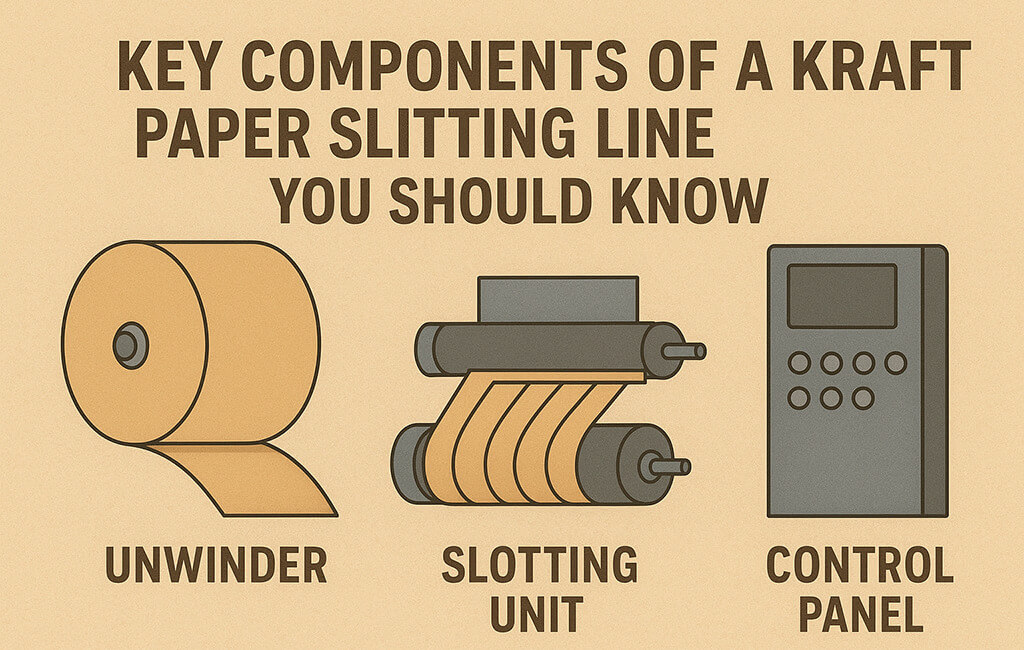
Slitting quality depends on how the complete web path works together. Review each stage against your material and output.

01

Unwind

Parent-roll diameter, weight and core dimensions determine the starting conditions.

02

Guide & Control

Web position and tension affect how the material arrives at the cutting section.

03

Slit

Cutting method, blade arrangement and substrate determine the edge requirements.

04

Rewind

Core size, finished diameter and roll structure define the required output.

FOR YOUR INQUIRY

Prepare a Useful Application Specification.

Provide the details you know. Identify anything that remains unconfirmed so the discussion starts from the correct conditions.

RequirementWhat to Provide
01Blank/printed web
02Face stock, adhesive and liner
03Width and thickness
04Winding direction
05Slit width
06Length/count
07Finished diameter/core
08Inspection or registration needs

TECHNICAL RESOURCES

Practical Reading for Your Next Decision.

Explore selection, cutting and web-handling topics before preparing your equipment requirements.
CONTINUE EXPLORING

Explore the Machine Range.

YOUR MATERIAL. YOUR FINISHED ROLL.

Let’s Define Your Next Converting Project.

Share your material, roll dimensions and production requirements. Start with the information you have.

START WITH YOUR MATERIAL

Discuss Your Slitting Requirements

Tell us about the material and rolls you need to produce. Add the details you know.

Add Technical Details (Optional)

We use these details to respond to your inquiry. Only include information relevant to your application.