EQUIPMENT & APPLICATIONS

Find Equipment for Your Converting Application

Browse slitting and rewinding equipment by the material or finished roll you produce. For replacement components, use the parts section and share the dimensions needed to check compatibility. Compare the material, winding principle and included equipment scope with DJH as your slitting and rewinding equipment supplier.

Explore the Details
Find Equipment for Your Converting Application

DJH Machinery · equipment and application reference

MATERIAL & PRODUCTION REQUIREMENTS

Explore a More Specific Application.

Compare material requirements and winding formats before defining the final machine configuration.

MACHINES

Find Your Material. Explore the Application.

Browse the seven equipment application categories. Material structure, roll format and operating requirements determine the configuration to assess.

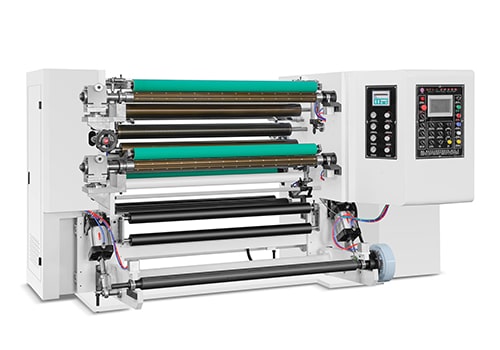
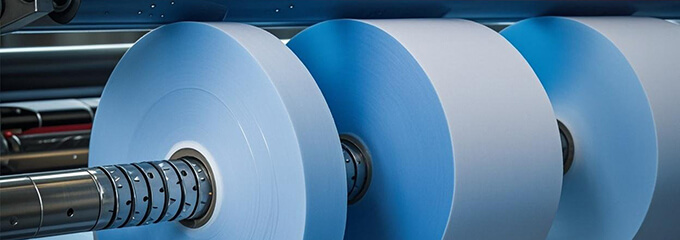
Paper Slitters

Paper Slitters

Match your paper grade, parent roll and finished-roll requirements to a suitable slitting and rewinding configuration. Compare the listed models, then confirm the details that matter for your production. As a paper slitting machine supplier, DJH helps you compare the proposed equipment against your paper grade, grammage, slit widths and finished-roll dimensions.

Explore Application ↗
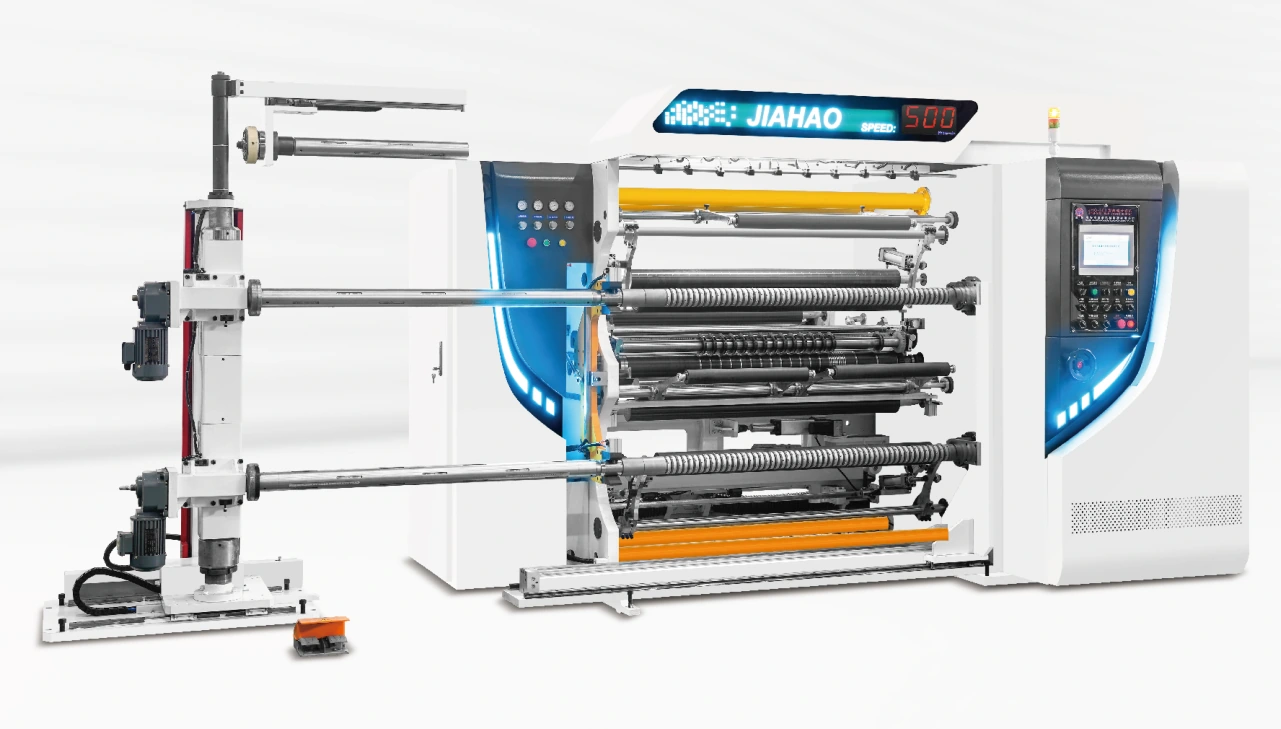
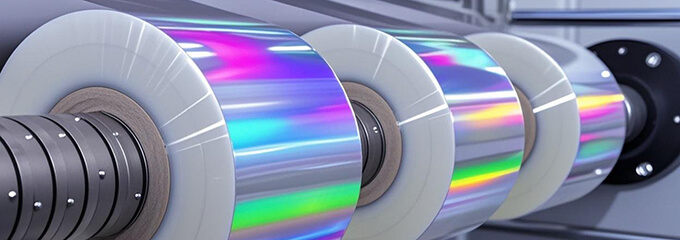
Film Slitters

Film Slitters

Define the film structure, thickness and finished-roll quality you need. Review cutting, web handling and rewinding as one connected configuration. As a film slitting machine supplier, DJH helps you compare the proposed equipment against your film structure, thickness, tension requirements and finished-roll quality.

Explore Application ↗
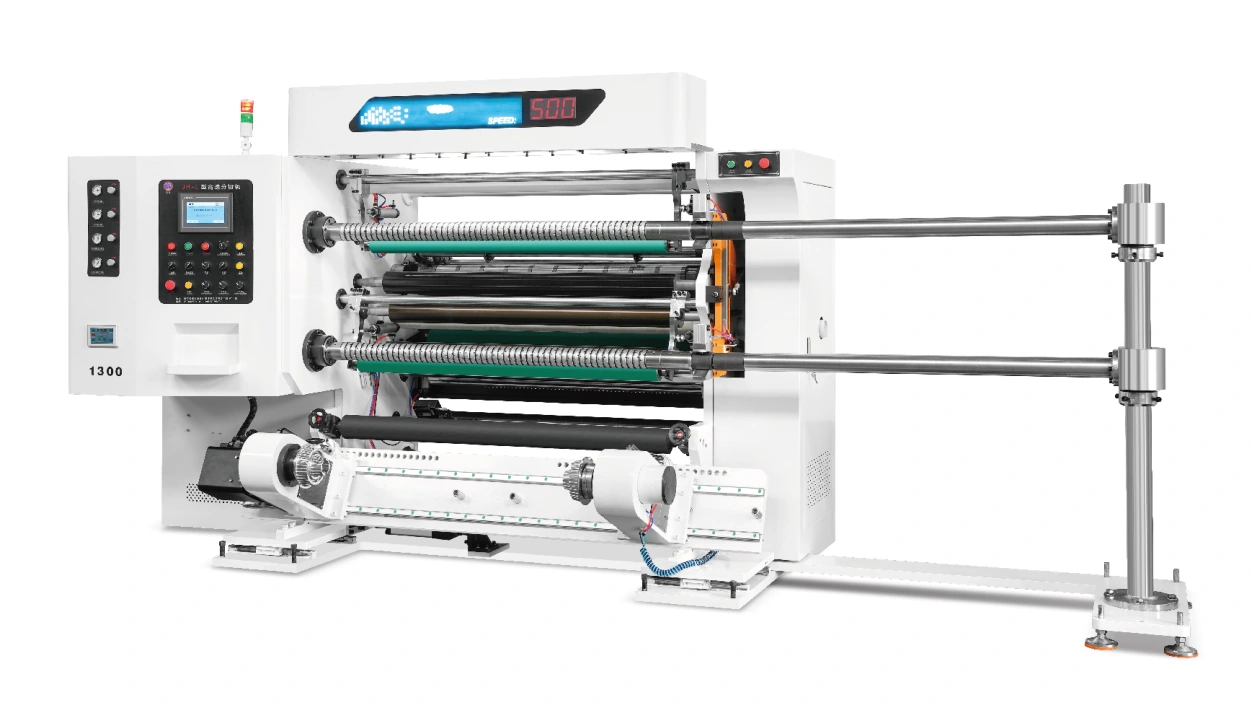
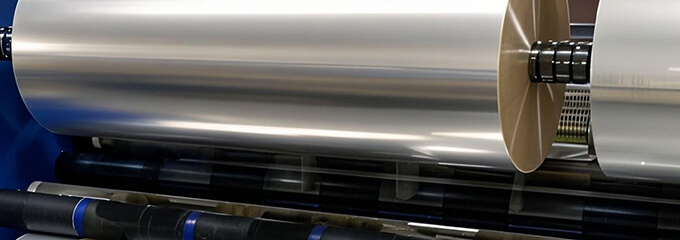
Metal Foil Slitters

Metal Foil Slitters

Start with the foil grade, thickness and required slit edge. Discuss roll handling, cutting and rewinding around your material specification. As a metal foil slitting machine supplier, DJH helps you compare the proposed equipment against your foil grade, thickness, edge requirements and roll dimensions.

Explore Application ↗
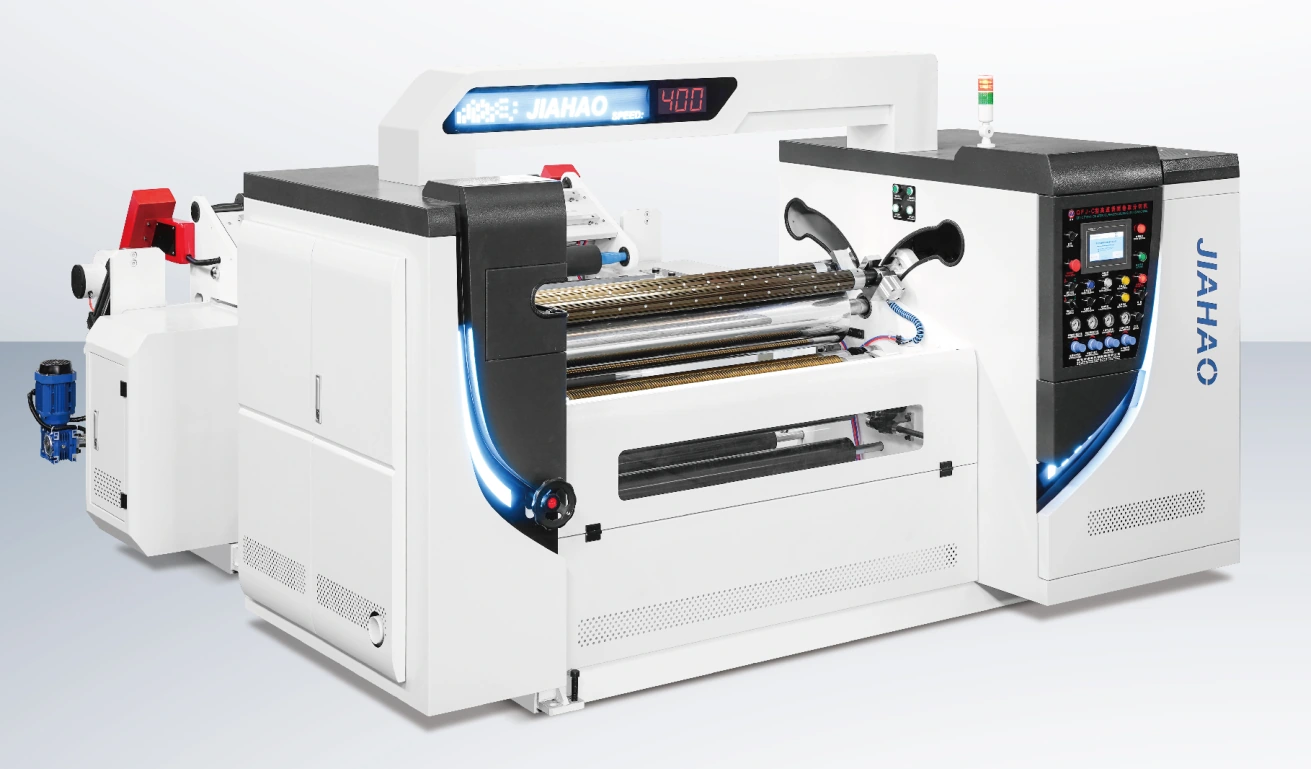
Nonwoven Slitters

Nonwoven Slitters

Match the slitting and rewinding discussion to your nonwoven construction, roll format and finished-roll requirements. As a nonwoven slitting rewinder supplier, DJH helps you compare the proposed equipment against your web construction, bulk, stretch and required winding firmness.

Explore Application ↗
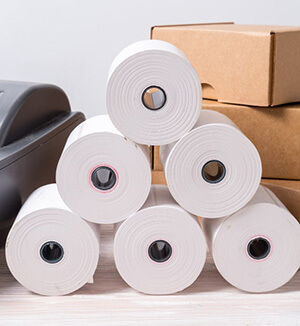
Thermal Paper Machines

Thermal Paper Machines

Plan your thermal-paper roll requirements around width, length, core size and coating condition—not just the machine’s headline speed. As a thermal paper slitting machine supplier, DJH helps you compare the proposed equipment against your thermal coating, finished width, roll length and core dimensions.

Explore Application ↗
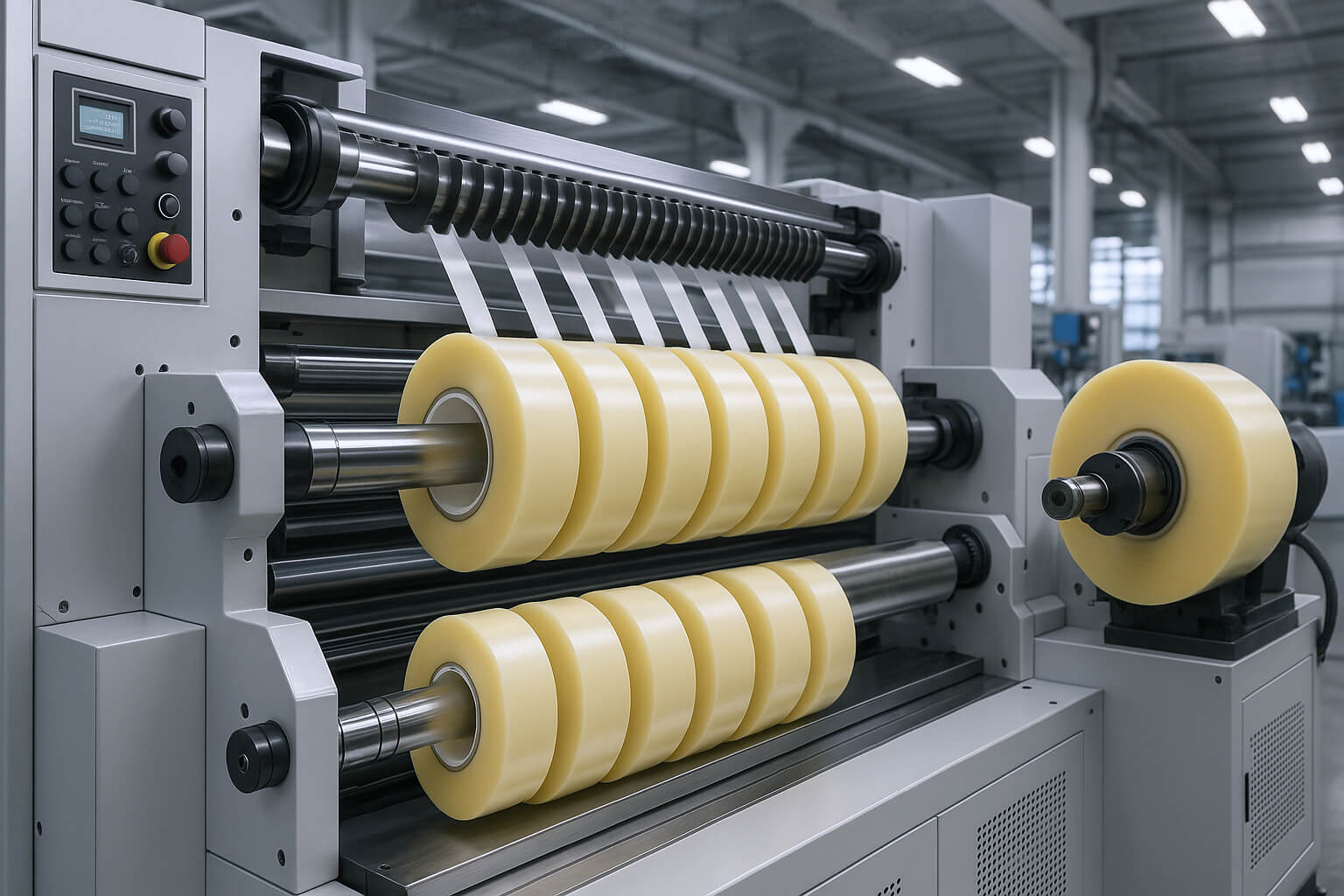
Adhesive Tape Machines

Adhesive Tape Machines

Share the tape construction and the rolls you need to produce. Define the cutting process, adhesive behaviour and handling requirements before choosing equipment. As a adhesive tape slitting machine supplier, DJH helps you compare the proposed equipment against your backing, adhesive, liner and required cutting process.

Explore Application ↗
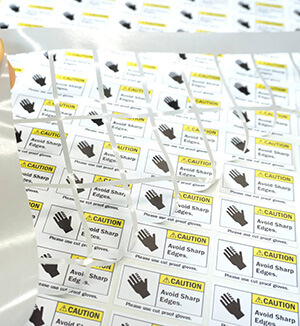
Label Slitting & Rewinding

Label Slitting & Rewinding

Define the label construction and finished-roll specification. Review web handling, slitting and rewinding without assuming inspection or finishing modules are included. As a label slitting and rewinding machine supplier, DJH helps you compare the proposed equipment against your face stock, adhesive, liner and downstream finishing requirements.

Explore Application ↗

EQUIPMENT

Compare the Paper-Converting Range.

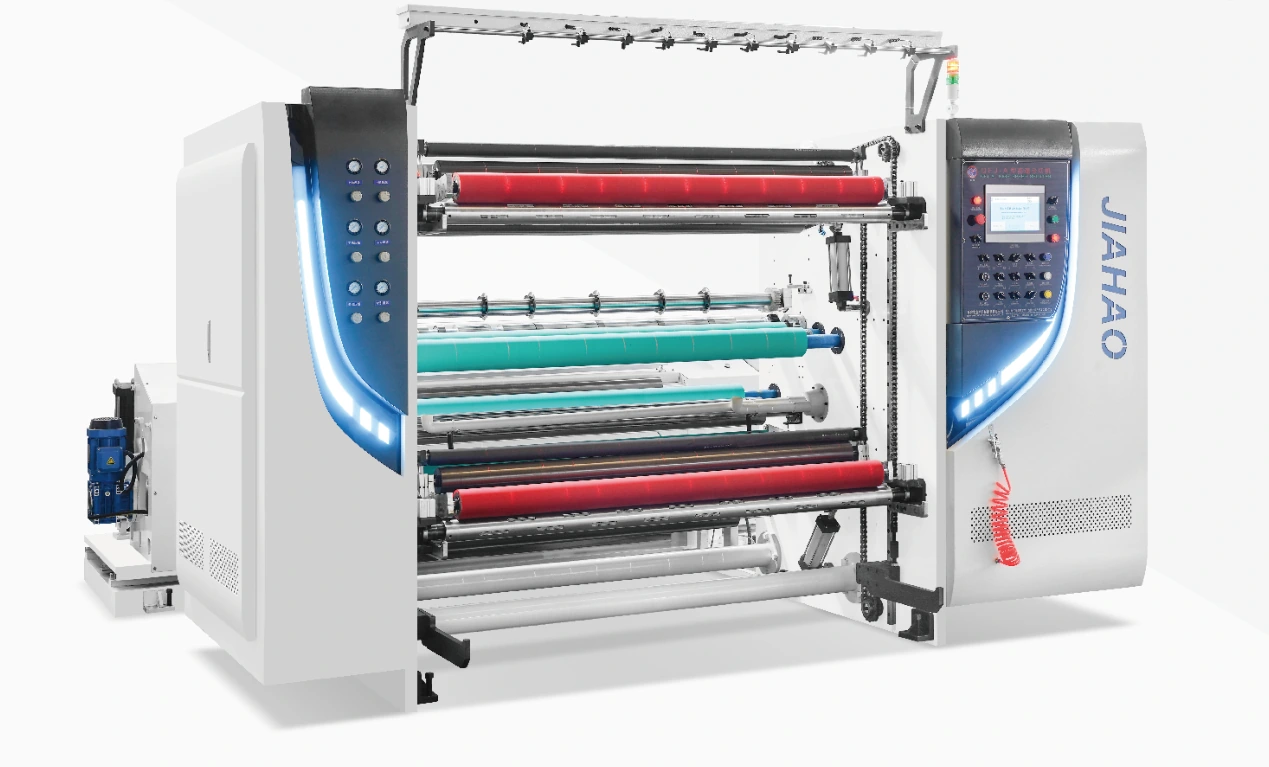
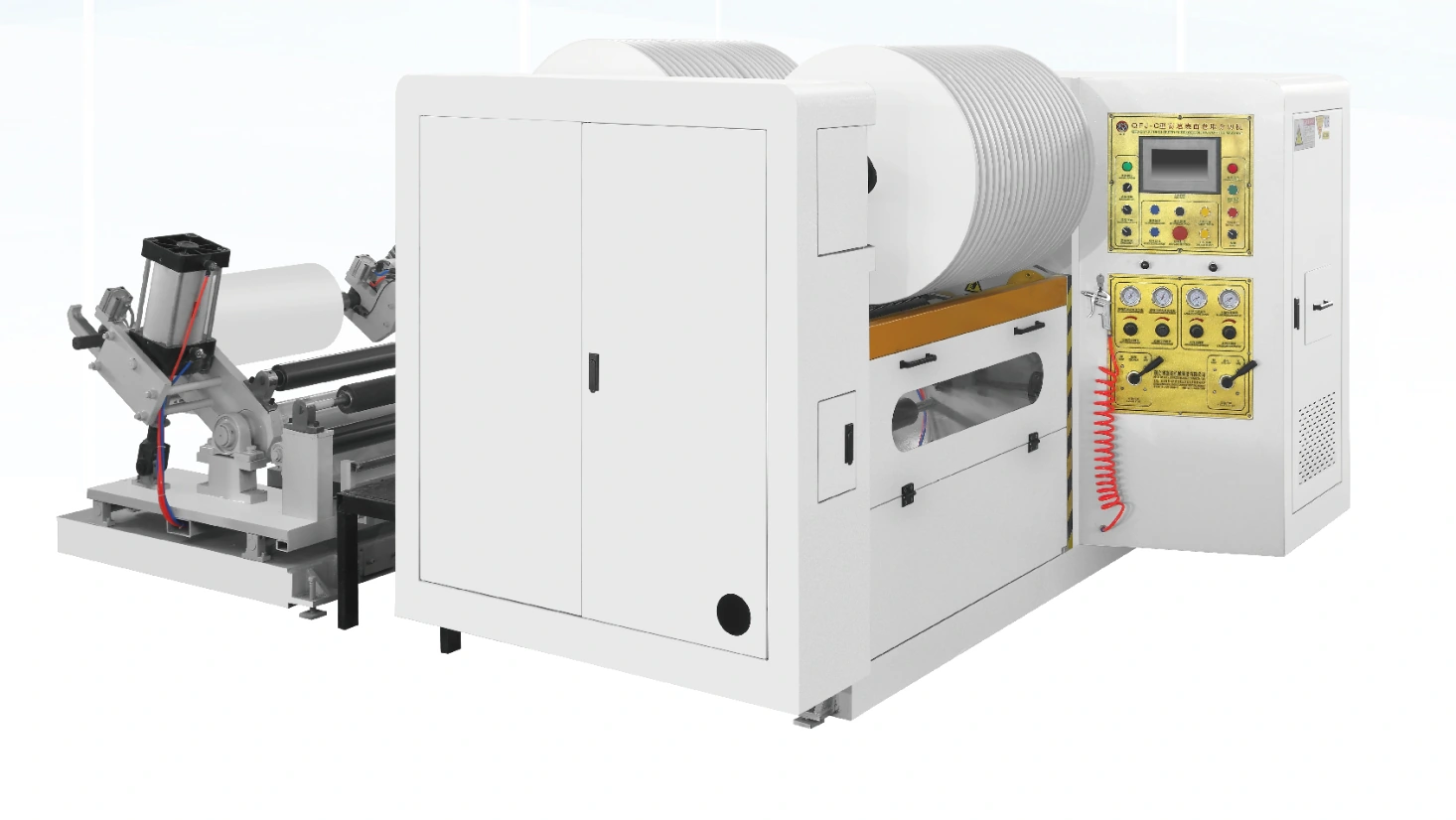
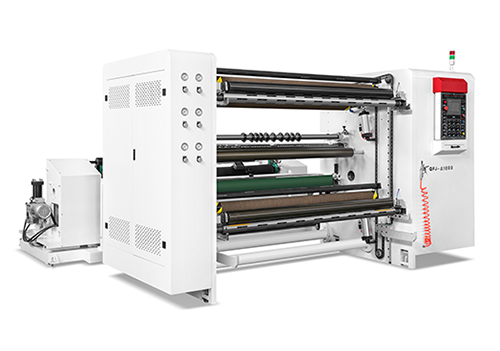
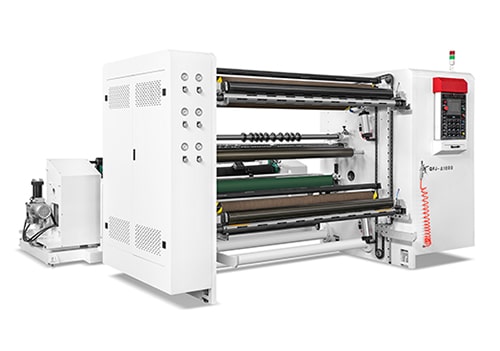
QFJ-A400 Horizontal High-Speed Slitter Rewinder
QFJ-A400

Horizontal High-Speed Slitter Rewinder

A horizontal paper-converting configuration with the largest listed parent-roll diameter in this comparison.

Listed max. mechanical speed
400 m/min
Minimum slit width
30 mm
Parent-roll diameter
1,200 mm
Finished-roll diameter
1,000 mm
View QFJ-A400
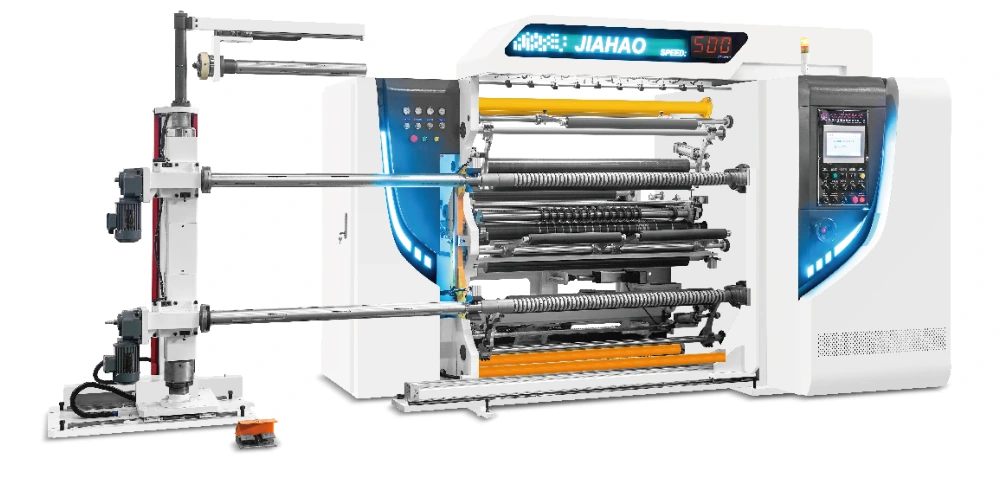
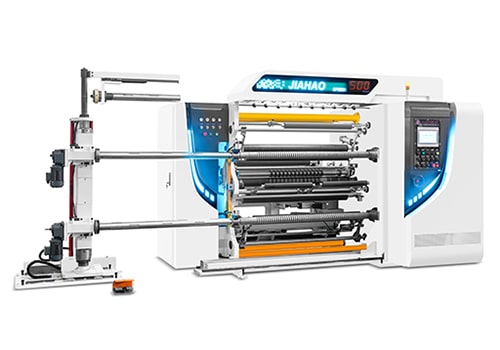
QFJ-A500 Horizontal High-Speed Slitter Rewinder
QFJ-A500

Horizontal High-Speed Slitter Rewinder

A horizontal configuration to review where the listed roll sizes and slit-width requirement fit the paper application.

Listed max. mechanical speed
500 m/min
Minimum slit width
20 mm
Parent-roll diameter
800 mm
Finished-roll diameter
600 mm
View QFJ-A500 ↗
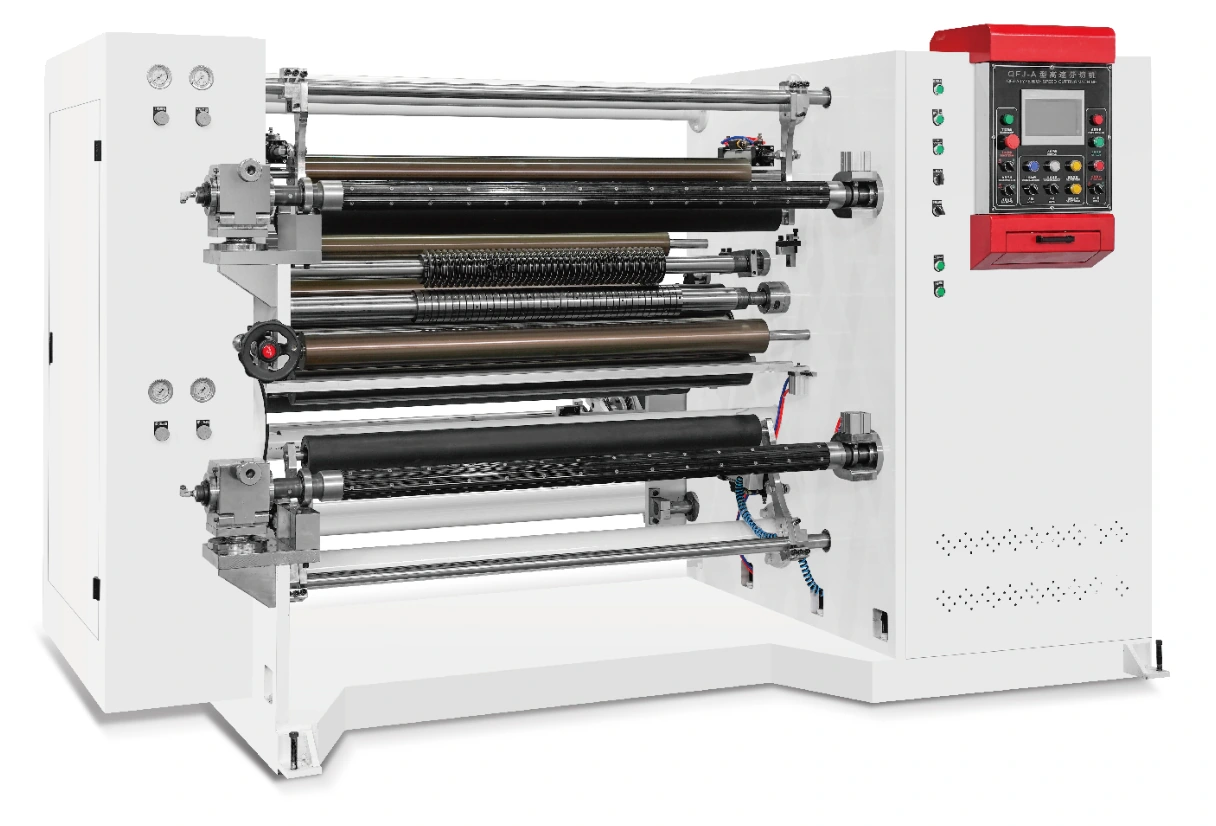
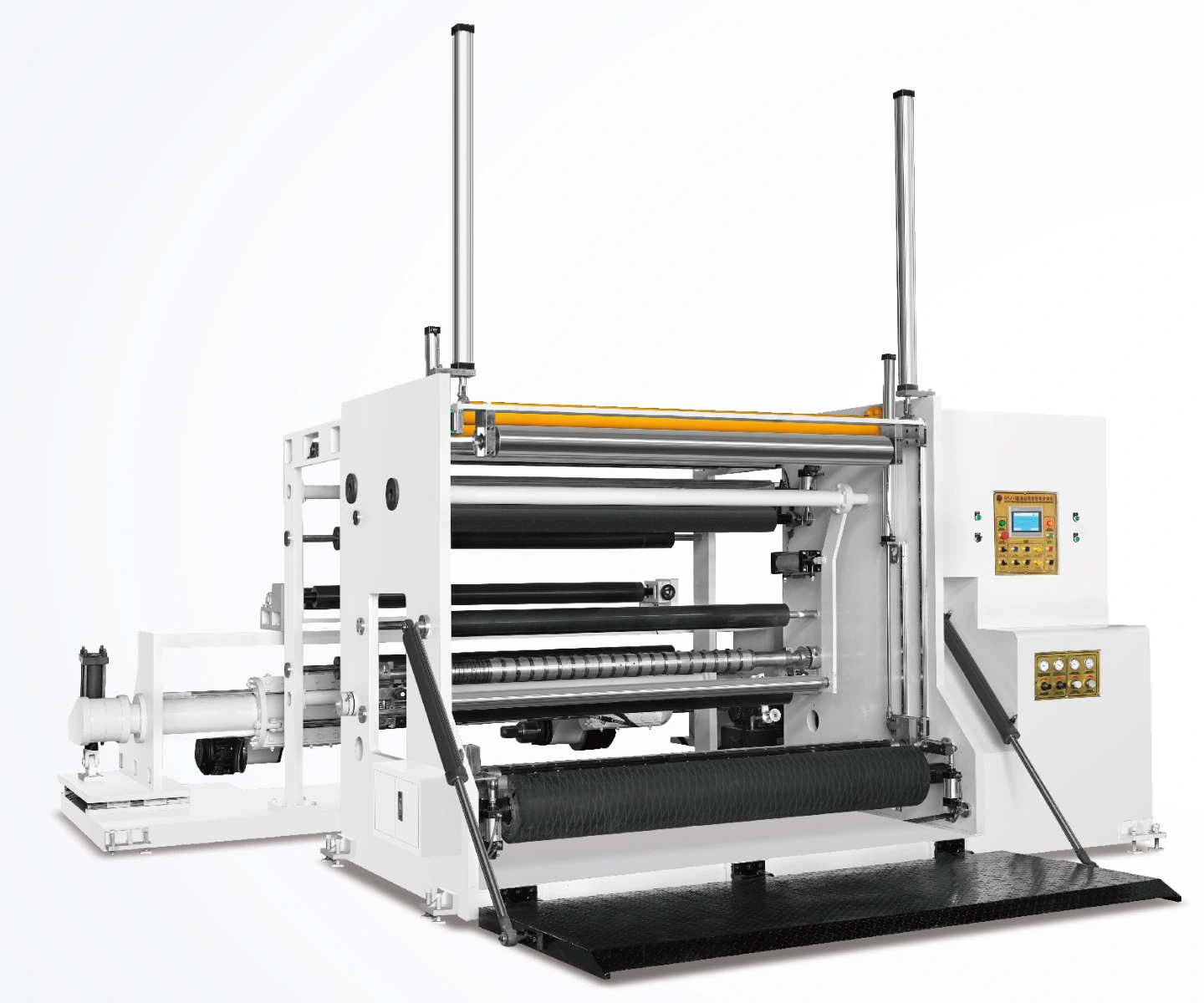
QFJ-B200 Vertical Slitting Machine
QFJ-B200

Vertical Slitting Machine

A vertical format with a smaller listed finished-roll diameter. Include installation space and roll handling in the review.

Listed max. mechanical speed
200 m/min
Minimum slit width
20 mm
Parent-roll diameter
700 mm
Finished-roll diameter
400 mm
View QFJ-B200 ↗
See All Paper Models and the Comparison Table ↗

MACHINE FORMATS & CONFIGURATIONS

Match the Winding Format to the Roll.

Horizontal, vertical and centre-surface layouts serve different roll requirements. Compare parent-roll capacity, finished diameter and winding construction before choosing a speed range.

Configuration reference · speeds in m/min; slit widths and roll diameters in mm.
ModelWinding formatListed speedMin. slitParent ØFinished Ø
QFJ-A400Horizontal · air-shaft rewinding400301,2001,000
QFJ-AF400Horizontal · large-roll layout400301,2001,000
QFJ-A500Horizontal · differential-shaft rewinding50020800600
QFJ-AF500Horizontal · separate unwind section500201,200600
QFJ-B500Vertical · differential-shaft rewinding50020700400
QFJ-A200Horizontal · magnetic-powder tension control200201,000600
QFJ-B200Vertical · magnetic-powder tension control20020700400
QFJ-C400Centre-surface contact winding4005 / 101,200600
QFJ-C200Centre-surface contact winding20010 / 201,000600
QFJ-LM400Ground-roll · large-roll configuration4001001,5001,200

Values describe the configurations shown, rather than guaranteed production performance. Width-dependent slit limits are explained below. Material grade, thickness, slit pattern and final equipment scope determine suitability. Different versions of the same model must be compared using a matching specification.

01

QFJ-A400 · Horizontal · air-shaft rewinding

A large-roll horizontal layout with separate servo control for each rewind shaft. Chain unloading and independent shaftless loading address roll-handling requirements.

02

QFJ-AF400 · Horizontal · large-roll layout

A horizontal configuration with a separate unwind section. Review the complete floor plan, loading access and finished-roll removal route.

View QFJ-AF400 Details ↗
03

QFJ-A500 · Horizontal · differential-shaft rewinding

Differential rewind shafts and separate servo control provide a configuration to discuss when slit lanes need individual winding accommodation.

View QFJ-A500 Details ↗
04

QFJ-AF500 · Horizontal · separate unwind section

A split layout combines differential-shaft rewinding with a larger parent-roll diameter than the A500 configuration.

View QFJ-AF500 Details ↗
05

QFJ-B500 · Vertical · differential-shaft rewinding

An integrated vertical format for smaller finished-roll diameters. Consider operator access, core preparation and handling alongside available floor space.

View QFJ-B500 Details ↗
06

QFJ-A200 · Horizontal · magnetic-powder tension control

Air-shaft rewinding with separate magnetic-powder tension control. Compare the required roll quality and material range with the proposed tension system.

View QFJ-A200 Details ↗
07

QFJ-B200 · Vertical · magnetic-powder tension control

An integrated vertical layout with air-shaft rewinding. Review roll sizes, changeover frequency and installation conditions.

View QFJ-B200 Details ↗
08

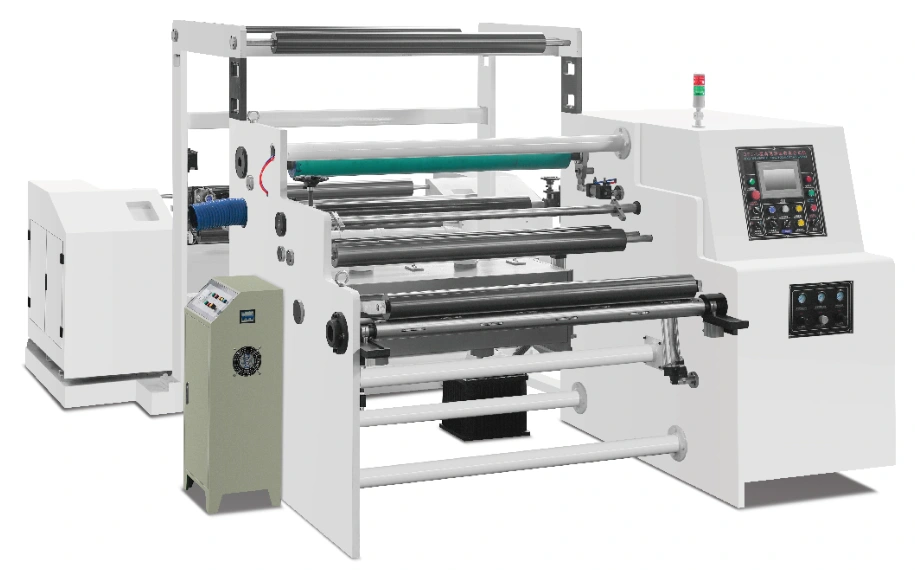
QFJ-C400 · Centre-surface contact winding

Separate servo control for the winding shafts. The 1,300 mm configuration lists a 5 mm minimum slit; the 1,800 mm configuration lists 10 mm. A connected-layout version lists an 800 mm parent roll.

View QFJ-C400 Details ↗
09

QFJ-C200 · Centre-surface contact winding

Magnetic-powder tension control for the winding shafts. The 1,300 mm configuration lists a 10 mm minimum slit; the 1,800 mm configuration lists 20 mm.

View QFJ-C200 Details ↗
10

QFJ-LM400 · Ground-roll · large-roll configuration

A ground-roll layout with shafted or shaftless winding arrangements. Working-width configurations of 1,600, 2,000 and 3,000 mm address wider-web requirements.

View QFJ-LM400 Details ↗

Additional Converting Operations

↗

QFJ-DY · Corona Treatment & Slitting

A surface-treatment configuration for improving adhesion before printing, coating or laminating. Listed slitting speed: 300 m/min; parent-roll diameter: 1,000 mm; finished-roll diameter: 600 mm. Treatment requirements and the measured surface result belong in the application specification.

View QFJ-DY Details ↗
↗

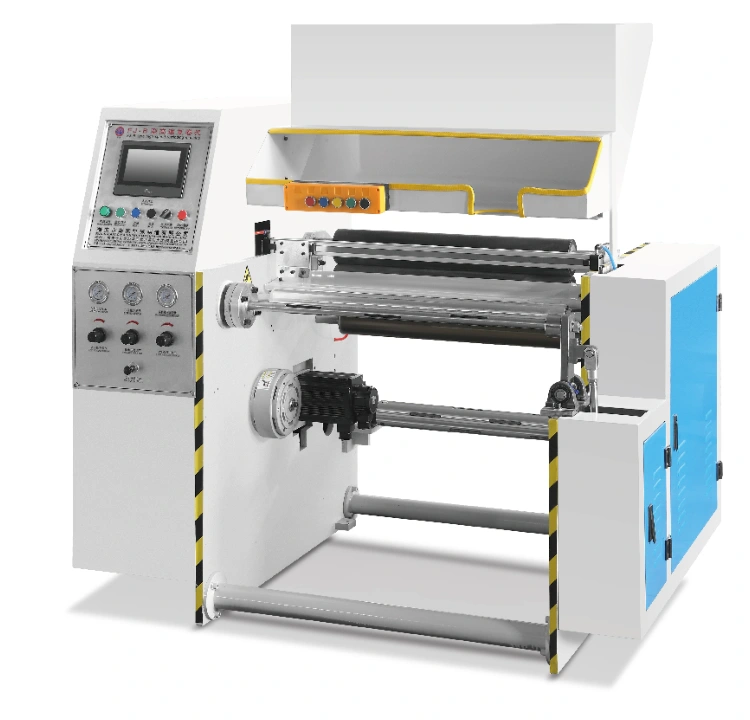
FJ-B · Small-Core Rewinding

A rewinding configuration for smaller finished rolls. One version lists 200 m/min with a 600 mm parent roll and 200 mm finished roll; another lists 300 m/min with a 1,000 mm parent roll and 300 mm finished roll. Confirm the core, roll length and web material for the selected version.

View FJ-B Details ↗
↗

Single-Shaft Slitting & Rewinding

An air-shaft, servo-controlled configuration for applications including nonwoven webs. Listed speed: 400 m/min; minimum slit: 100 mm; parent-roll diameter: 1,000 mm; finished-roll diameter: 800 mm. Assess bulk, compressibility and the required winding firmness for the actual fabric.

APPLICATION & PROCESS

Choose the Winding Principle Before the Model.

01

Air-Shaft Winding

Review core engagement, shaft load and finished-roll handling. Large-diameter rolls require attention to support and removal as well as torque.

02

Differential-Shaft Winding

Consider this construction where several slit lanes must rewind together. Lane width, thickness variation and winding firmness should be assessed using the actual web.

03

Centre-Surface Winding

Contact with the winding surface changes how the roll is formed. Confirm contact sensitivity, slit width and the required finished-roll structure.

04

Specialised Converting

Large-roll, single-shaft, small-core rewinding and corona-treatment layouts address different tasks. Identify which operations belong in your line.

PARTS & ACCESSORIES

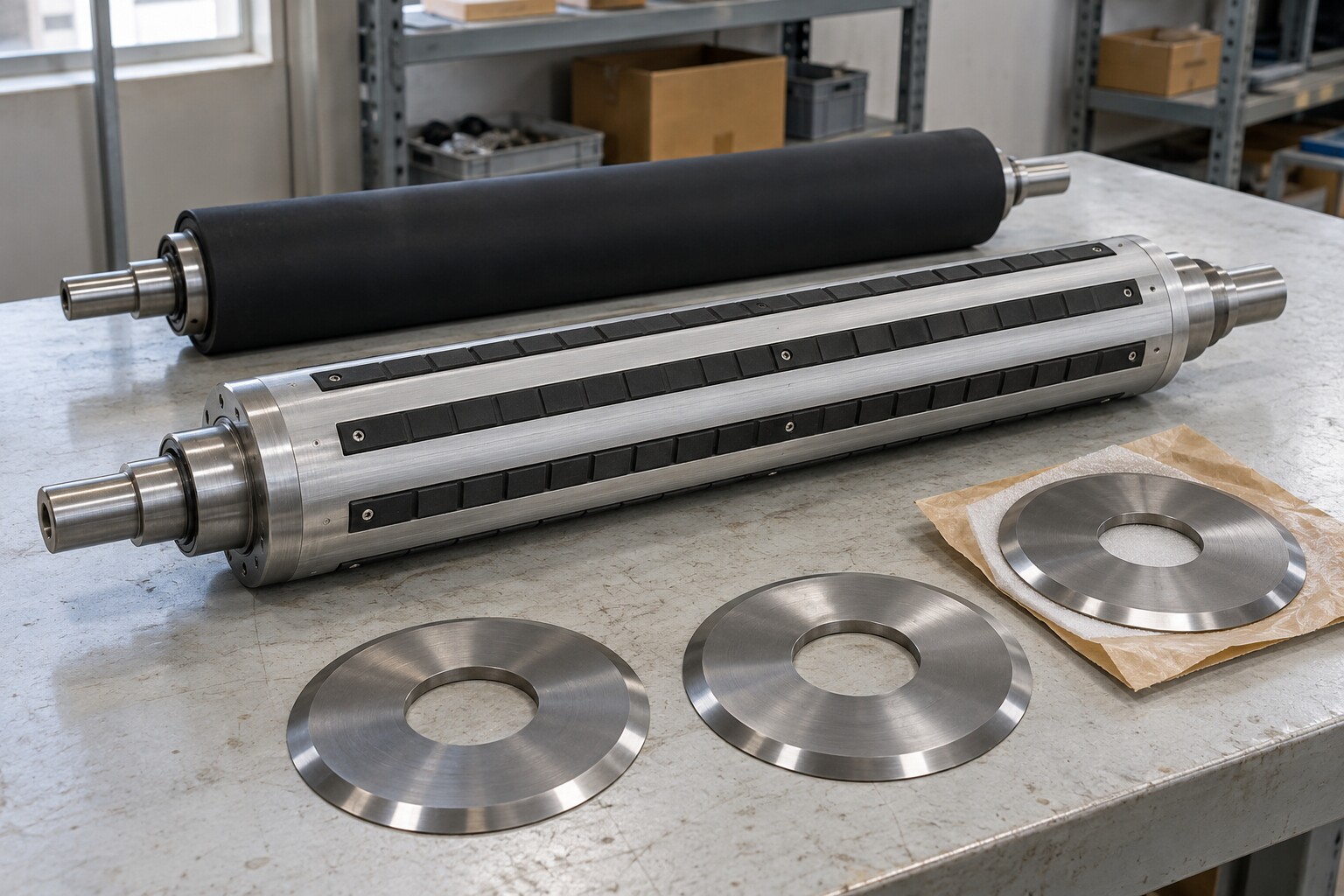
Cutting & Web-Handling Components.

Explore blades, air shafts and rollers for cutting, gripping, spreading, contact and cooling duties. Start a replacement inquiry with a drawing and installation dimensions.

Slitting machine components
Browse All Components ↗

QUOTATION & SUPPLY SCOPE

Compare Equipment Supply Proposals

Compare each offer against the same material, roll format, cutting method and winding principle. Record included modules, controls, loading and removal equipment before comparing prices.

01

Compare the Included Scope

Ask for standard equipment and optional items to be listed separately. Include commissioning, operator training, documentation and initial spare-part requirements in the discussion.

02

Agree the Order and Delivery Details

Provide quantity and destination. Confirm price, currency, delivery basis, packing, production schedule and any excluded freight or import charges in the quotation.

03

Define Acceptance and Support

Agree representative material inspection, measurement criteria and supplied configuration before ordering. Confirm warranty terms, installation responsibilities and spare-part support with the proposal.

Discuss Supply Requirements ↗

BEFORE YOU SPECIFY

Questions Buyers Ask

Should I select by material or by model?

Start with the material and roll format. A model can then be assessed against the required cutting and winding conditions.

Is a listed maximum speed a production guarantee?

No. Achievable production speed depends on the material, slit pattern, roll condition and confirmed configuration.

Can I send an existing specification?

Yes. Send the specification together with the material and finished-roll requirements so the relevant details can be reviewed.

YOUR MATERIAL. YOUR FINISHED ROLL.

Let’s Define Your Next Converting Project.

Share your material, roll dimensions and production requirements. Start with the information you have.

START WITH YOUR MATERIAL

Discuss Your Slitting Requirements

Tell us about the material and rolls you need to produce. Add the details you know.

Add Technical Details (Optional)

We use these details to respond to your inquiry. Only include information relevant to your application.