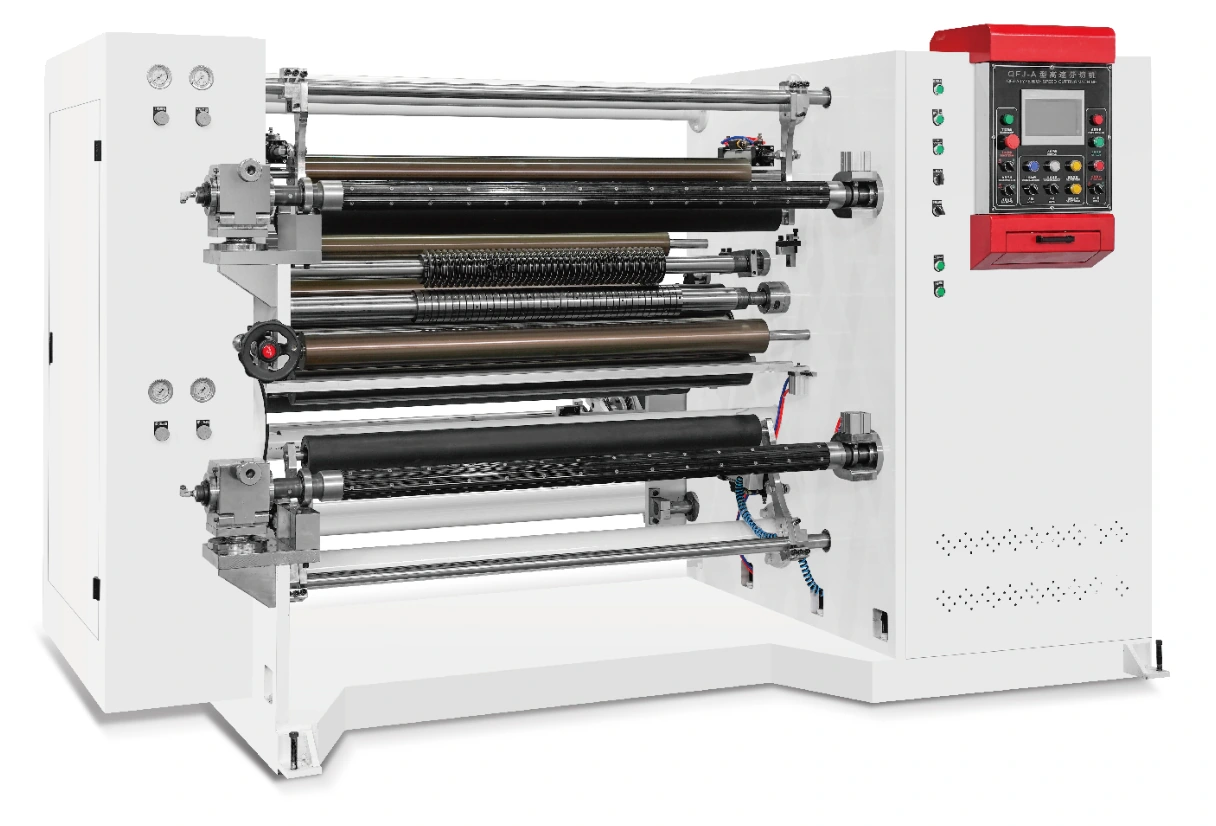
SETUP, OPERATION & ACCEPTANCE
From Parent Roll to the Next Process.
01Prepare the Parent Roll
Record roll width, diameter, weight, core and material condition before planning loading and threading.
Set the Web Path and Cut
Confirm guiding and tension requirements, blade arrangement and lane positions using the intended material and slit pattern.
Build the Finished Rolls
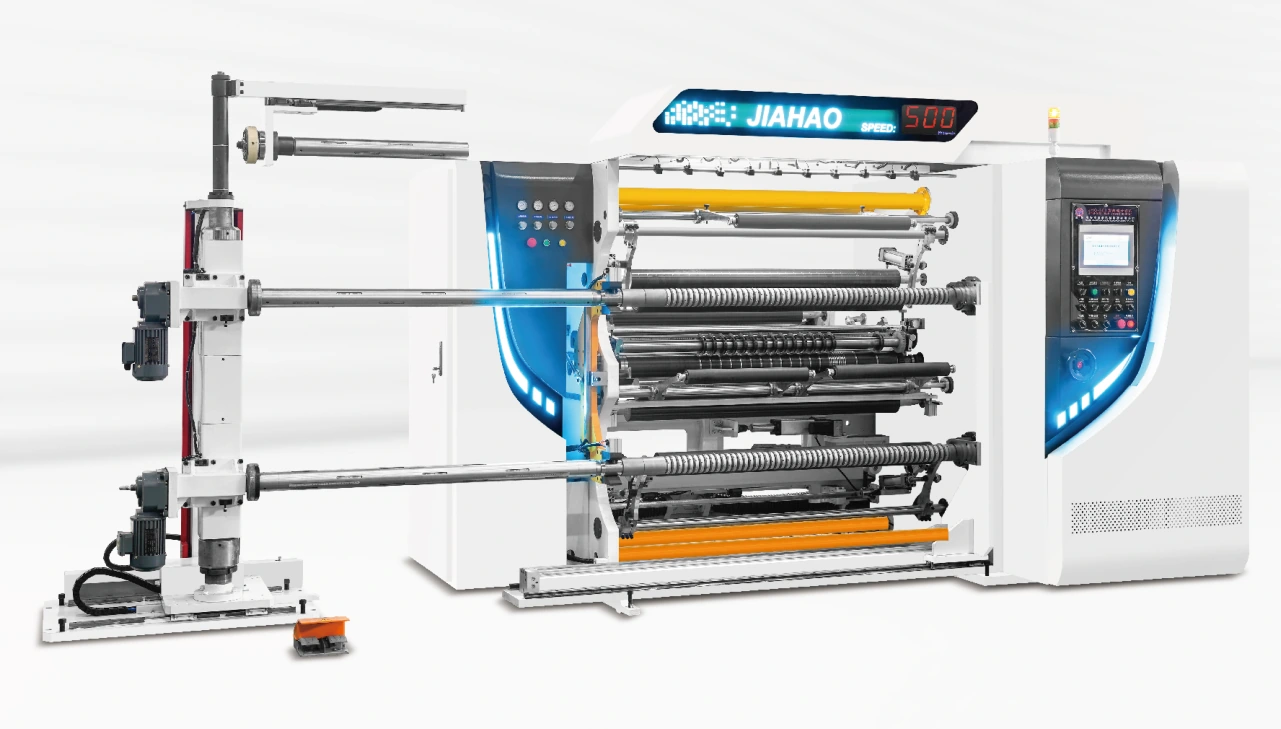
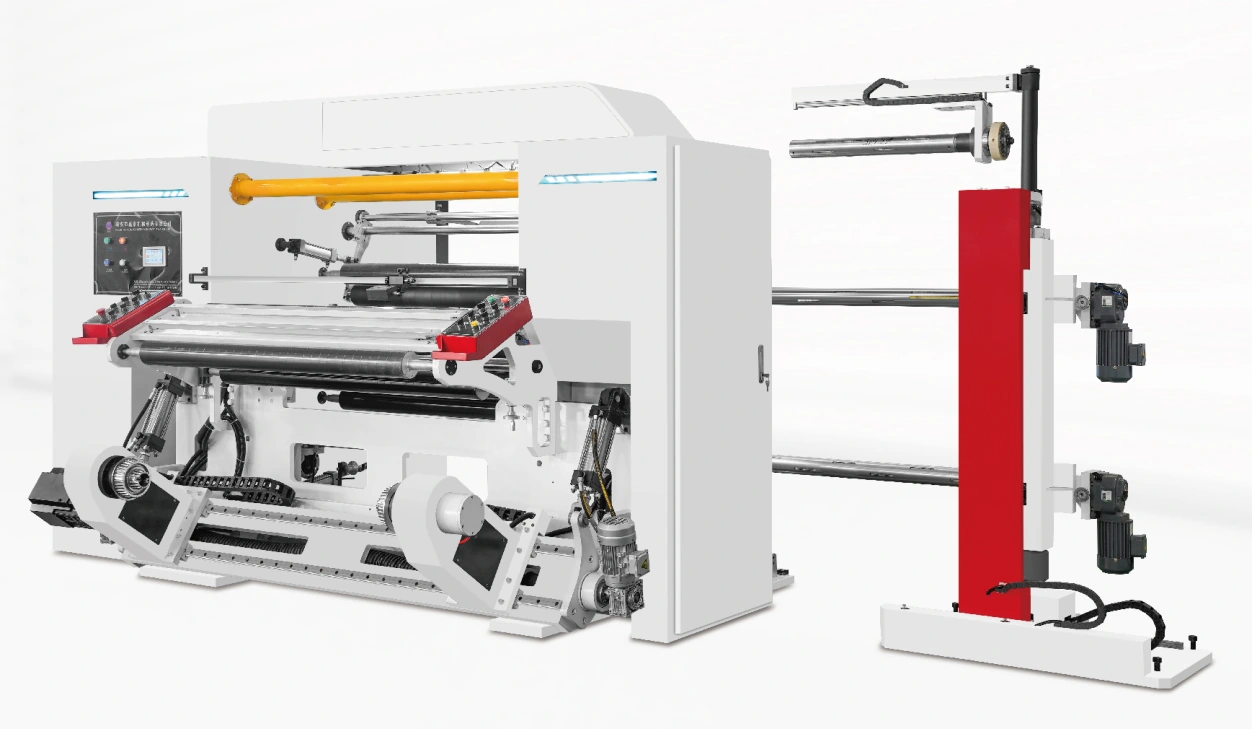
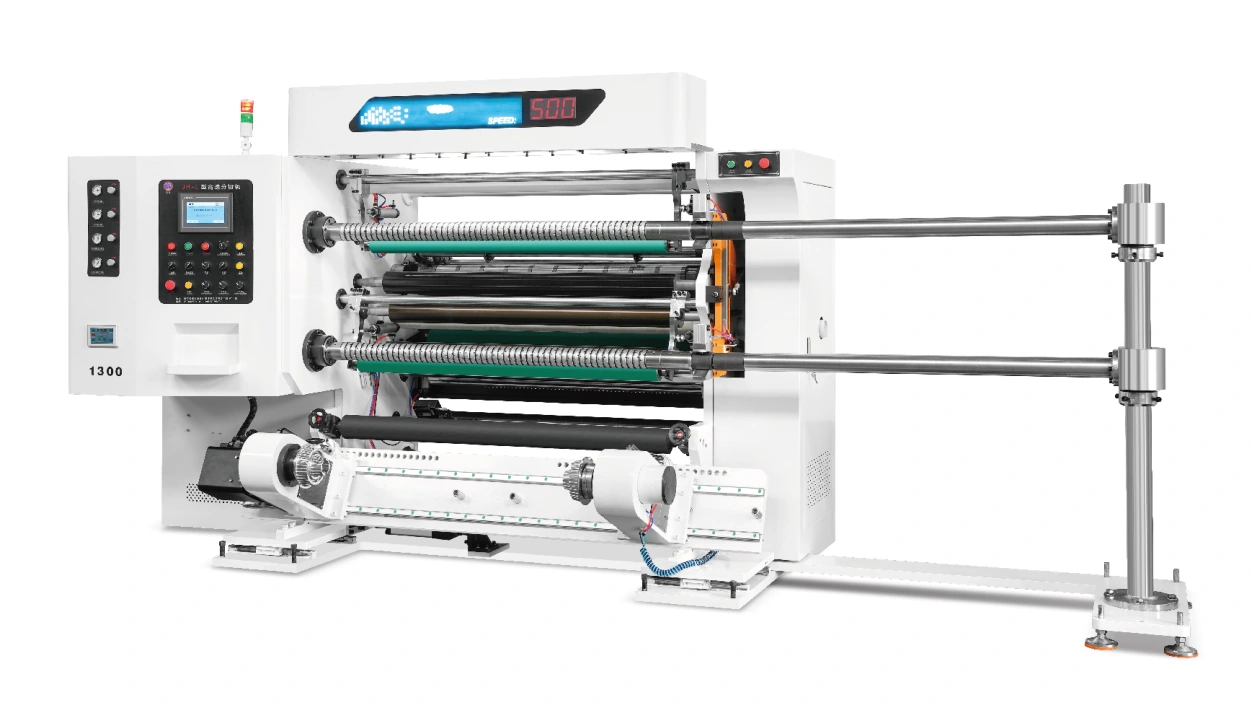
Review differential-shaft setup, core fit and winding firmness across the lanes. Include acceptable edge and roll appearance in the trial.
Remove and Inspect
Check finished width, diameter, roll build and suitability for the next process. Plan handling and removal around the actual roll weight.
Plan the Installation and Maintenance.
Review the floor plan, service clearance, roll-handling route and utilities before installation. Agree commissioning and operator-training requirements with the proposal. Keep the machine identification, shaft interfaces and blade dimensions available for maintenance and spare-part inquiries.
Compare the Alternatives.
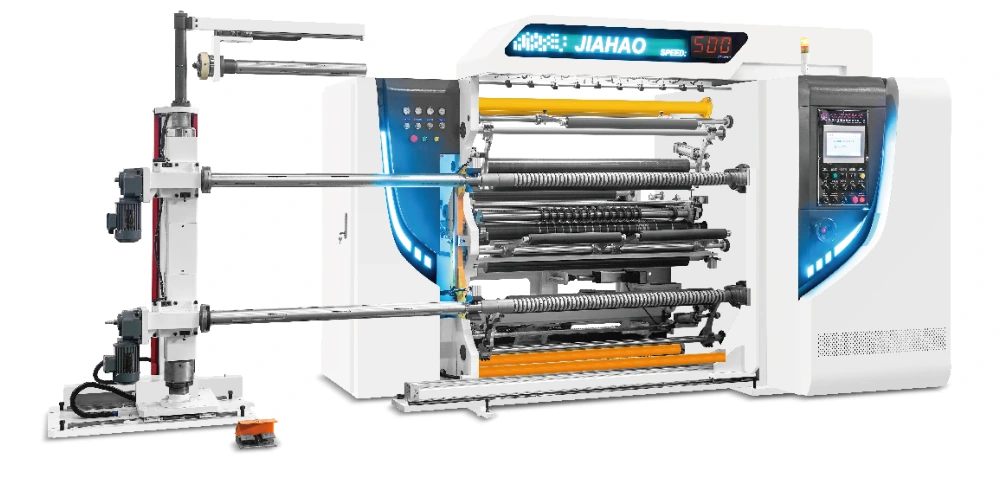
Choose A500 as a starting point for an integrated horizontal differential-shaft layout. Compare B500 where a vertical format and smaller rolls suit the task; compare A400 where larger parent and finished diameters are needed. These formats differ in construction and capacity, so the speed alone should not decide the selection.