
Choosing a new slitting rewinder feels like a huge decision, because it is. You're looking at a major capital investment, and the catalog descriptions for different machine types can start to blur together. Making the wrong choice can lead to frustrating production bottlenecks, unsafe roll handling practices, and hidden operational costs that slowly eat away at your return on investment. The solution isn't to find the "best" machine, but to start with your factory. A clear analysis of your workflow makes the decision between horizontal vs vertical paper slitters much simpler.
The primary difference is how they use space and handle rolls. Horizontal paper slitters require more linear floor length but simplify floor-level handling of heavy rolls. Vertical paper slitters have a more compact footprint but move the roll handling challenge upwards, often requiring overhead cranes and more vertical factory space.
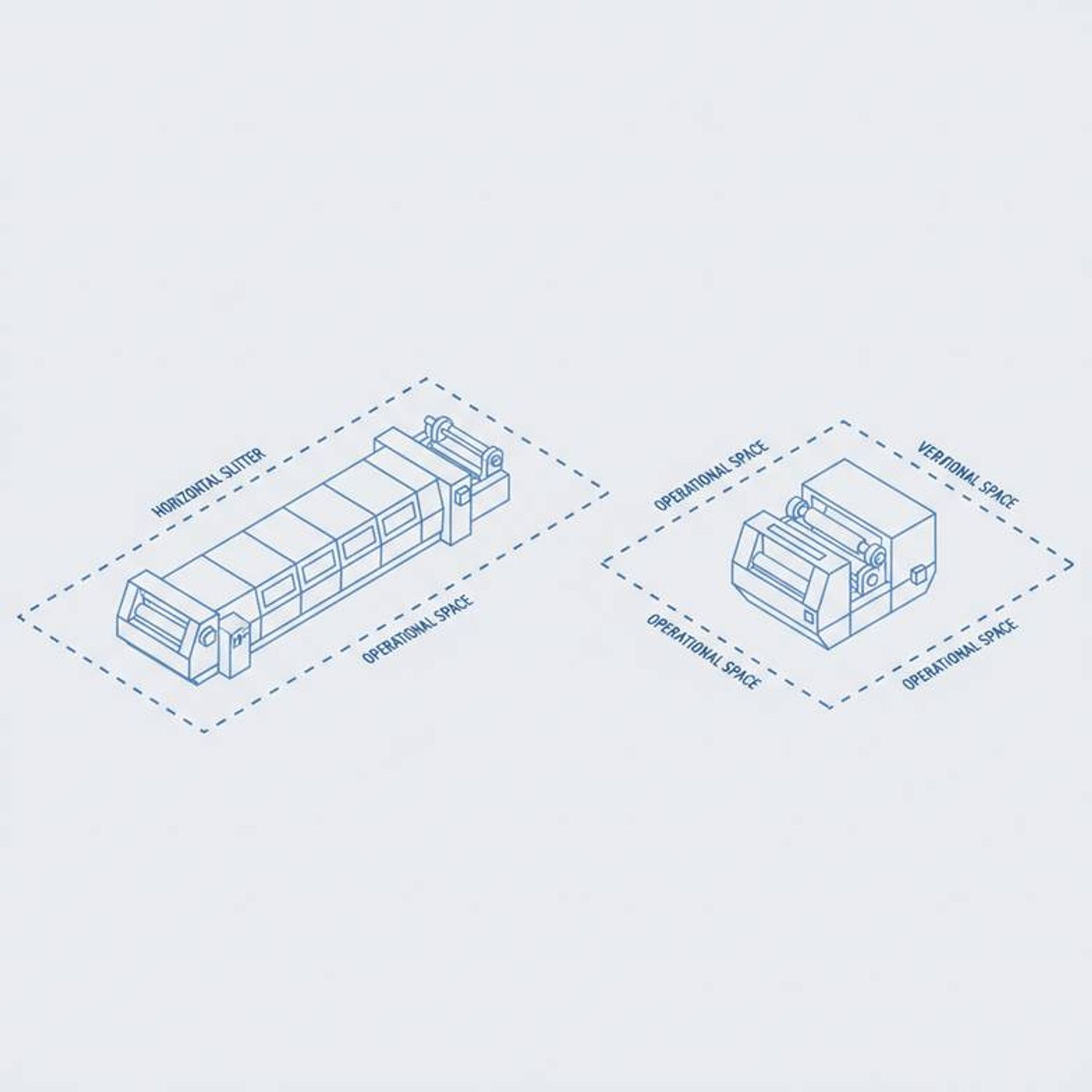
This core difference has a ripple effect on everything from your total investment cost to your daily operational efficiency. Let’s dive into the practical questions you should be asking to determine which configuration is the right risk for your specific converting operation.
How Does Your Floor Layout Affect the Horizontal vs Vertical Paper Slitters Debate?
You've found a machine with the perfect specs, but you're haunted by a nagging question: will it actually fit? A simple miscalculation in floor space or ceiling height can derail your entire project, leading to costly installation delays or even forcing you back to the drawing board.
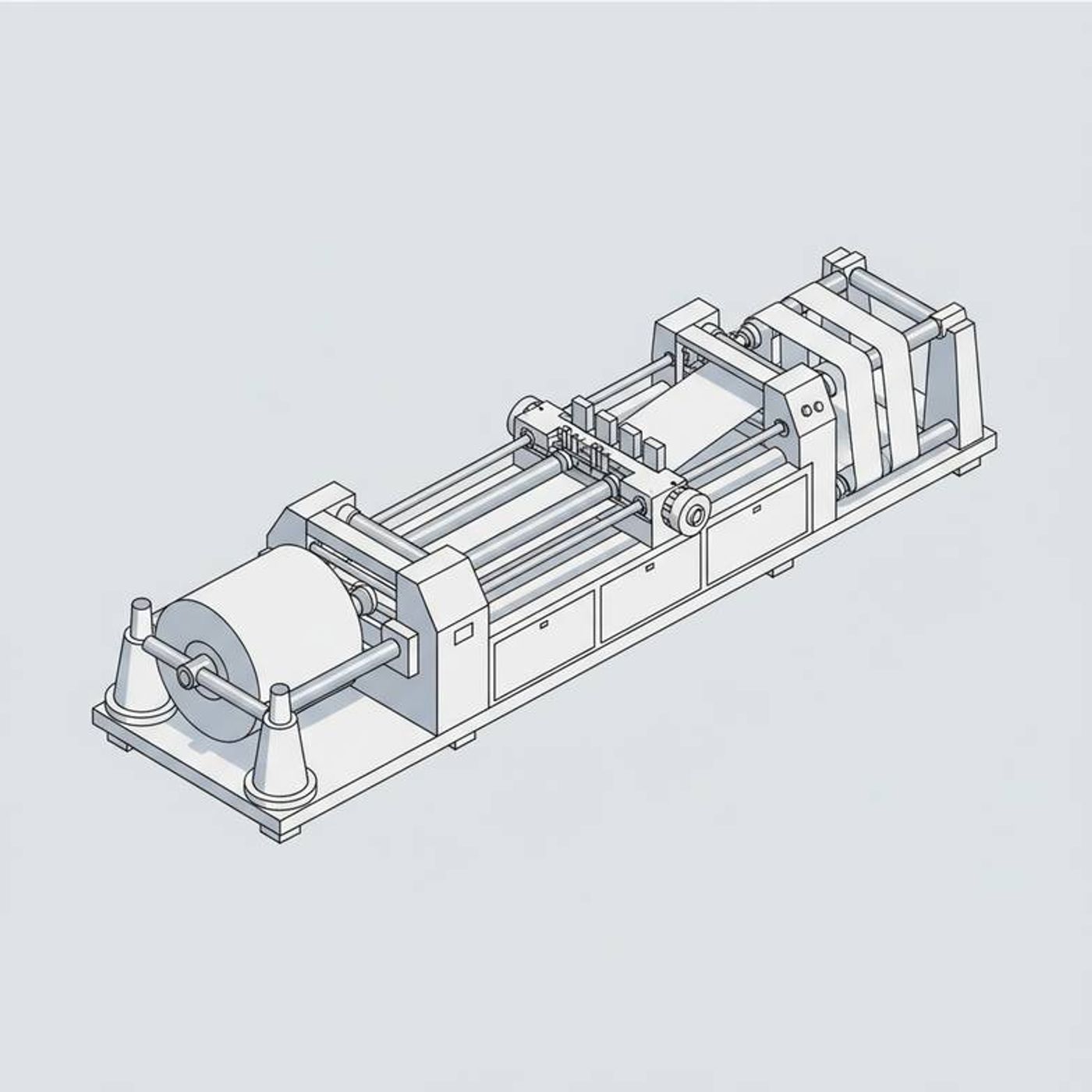
The choice is fundamentally about which resource you have more of: floor length or ceiling height. Horizontal paper slitters consume more linear real estate, while vertical designs use a smaller footprint but demand more overhead clearance.
Dive Deeper: From Machine Footprint to Workflow Footprint
The machine’s dimensions in a catalog are just the starting point. As a technical consultant, the first thing we ask a buyer to do is map their entire workflow. Don't just think about where the machine will sit; think about the entire path a roll takes through your facility.
Mapping the Linear Flow of a Horizontal Slitter
A horizontal slitter creates a very linear, end-to-end process. The parent roll is loaded at one end, travels horizontally through the web path and cutting section, and the finished rolls are removed at the other end.
When you map this out, you need to account for:
- Parent Roll Staging: Where will you store the jumbo rolls before they are loaded? You need clear, safe access for a forklift or pallet jack to bring the roll to the machine's unwind stand.
- Machine Body: This is the machine's physical length, from the edge of the unwind stand to the end of the rewind section.
- Operator Access: Your team needs space to walk around the machine safely, access control panels, and monitor the web path. I always recommend at least 1.5 meters (about 5 feet) of clear space on the operating side.
- Finished Roll Removal: Once the slit rolls are ready, how will they be removed? You need room for a cart, a pallet, or a forklift to pick them up without creating a bottleneck.
- Maintenance Space: Can your team access key components like blades, rollers, and motors? A machine crammed against a wall becomes a maintenance nightmare.
For a typical 1600mm wide horizontal slitter, the machine itself might be 4-5 meters long. But the operational footprint could easily be 8-10 meters long once you factor in staging and removal.
The Compact Footprint of a Vertical Slitter
Vertical slitters, especially turret models, are designed to save floor space. They achieve this by stacking components. The unwind stand might be located above or below the rewind section, creating a more "square" or rectangular footprint rather than a long, narrow one.
This is a huge advantage in crowded facilities or when you're trying to fit a new line into an existing building. However, saving horizontal space means you're now using vertical space. You must consider:
- Ceiling Height: Can you accommodate the full height of the machine, especially with a roll loaded at its highest point?
- Overhead Clearance: If the machine requires an overhead crane for loading, you need clearance for the crane's beam, hoist, and the roll itself as it's lifted into place. This can add several meters to your required ceiling height.
- Maneuvering Room: While the machine's footprint is small, you still need room for roll carts or specialized lifts to get rolls to and from the machine.
The decision between horizontal vs vertical paper slitters starts here. If you have a long, open bay, a horizontal layout is often simpler. If you're constrained by floor area but have high ceilings, a vertical design becomes a very attractive option.
| Layout Consideration | Horizontal Paper Slitter | Vertical Paper Slitter |
|---|---|---|
| Primary Space Need | Floor Length | Ceiling Height |
| Operational Shape | Long and Linear | Compact and Tall |
| Ideal Factory Bay | Long, open spaces with lower ceilings | Limited floor area with high ceilings |
| Workflow Path | End-to-end, linear flow | Centralized, vertical transfer |
How Does Roll Handling Differ Between Horizontal vs Vertical Paper Slitters?
Moving multi-ton parent rolls of paper is one of the most challenging and potentially hazardous parts of any converting operation. A machine that doesn't align with your factory's roll handling capabilities can create constant safety risks and production slowdowns.
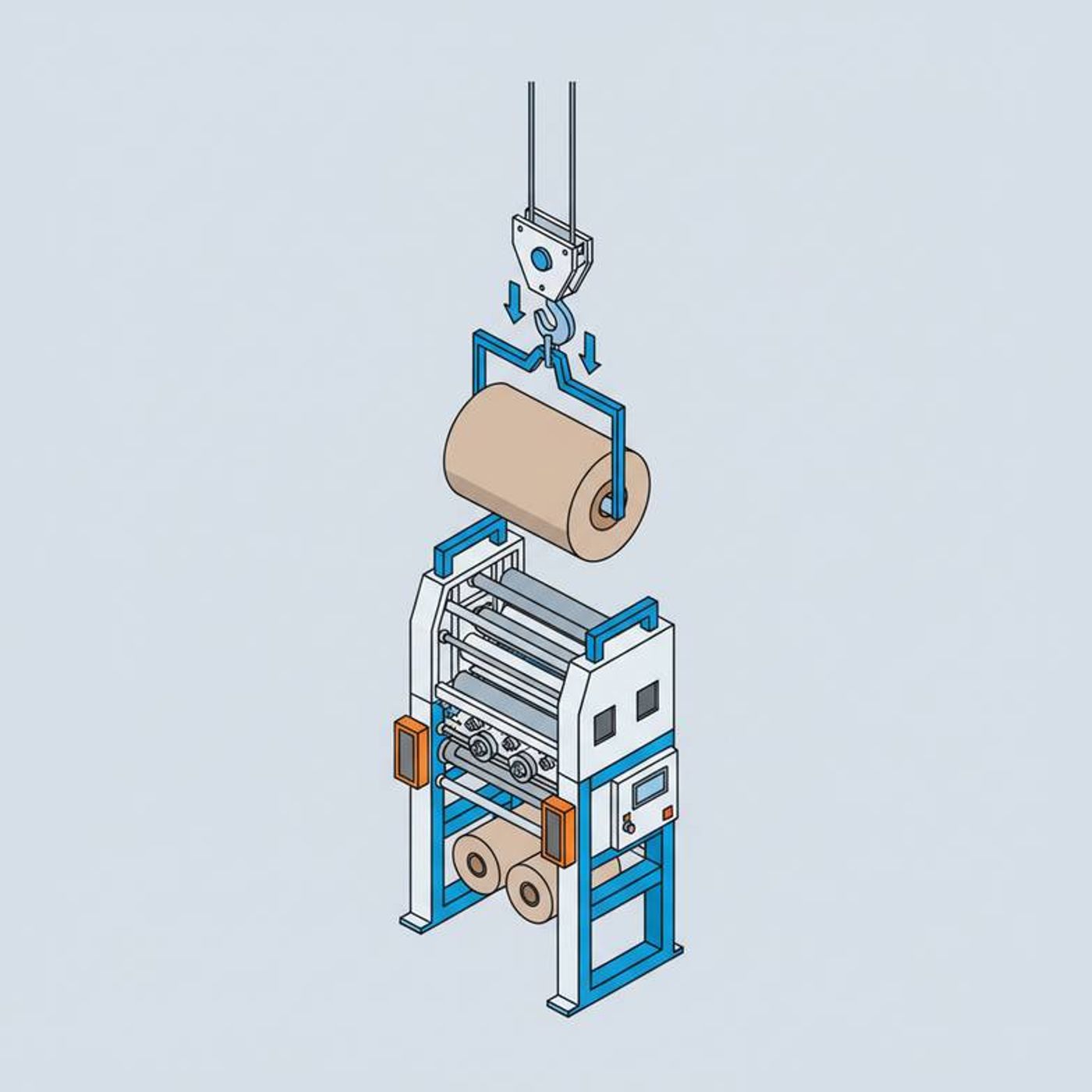
The core difference is simple: horizontal slitters often allow for simpler, ground-level loading of parent rolls. Vertical designs move this challenge upwards, typically requiring overhead cranes or specialized roll lifts for both parent and finished rolls.
Dive Deeper: Ground-Level Logistics vs. Z-Axis Challenges
The machine's orientation directly dictates the type of auxiliary equipment and operator skills you'll need. This is a critical factor in your total cost of ownership.
The Simplicity of Floor-Level Handling (Horizontal)
For many factories, especially those converting heavy paper or paperboard, the biggest appeal of a horizontal slitter is its compatibility with floor-level roll handling.
- Shaftless Unwind Stands: Many modern horizontal machines use shaftless unwind stands. This means a forklift can place the parent roll directly onto the stand's arms, which then lift it a short distance off the floor into position. No overhead crane is needed.
- Reduced Equipment Cost: If you don't already have an overhead crane system in your bay, avoiding the need to install one can save you tens of thousands of dollars in equipment and structural engineering costs.
- Simplified Workflow: The process is straightforward. A forklift or even a heavy-duty pallet jack brings the roll to the machine, it's loaded, and the process begins. This can be managed by a single, well-trained operator.
I've worked with many customers in the paperboard and heavy kraft paper industry. They often choose a horizontal design almost entirely for this reason. It de-risks the material handling aspect of their operation significantly.
Managing the Z-Axis with Vertical Slitters
A vertical design centralizes the workflow but complicates the handling. The parent roll has to be lifted up to the unwind stand, and finished rolls are often removed from a turret that indexes at different heights.
This requires a clear strategy for Z-axis (vertical) movement:
- Overhead Cranes: This is the most common solution for heavy rolls. The crane lifts the parent roll from a staging area and lowers it into the unwind stand. This requires a certified crane, a certified operator, and rigorous safety protocols.
- Mobile Roll Lifts: For lighter rolls, a dedicated battery-powered roll lifter can be used. These are more flexible than a crane but have weight and height limitations.
- Turret Rewinders: A huge benefit of many vertical designs is a turret rewinder, which allows you to offload a full set of finished rolls while the next set is already winding. However, this means your team must be prepared to handle rolls at different heights as the turret rotates.
The choice of a horizontal vs vertical paper slitter on this point comes down to your existing infrastructure. If your facility is already equipped with cranes and your team is experienced with overhead lifts, a vertical slitter can integrate smoothly. If not, a horizontal machine offers a much simpler path.
Beyond the Price Tag: What are the Hidden Costs of Horizontal vs Vertical Paper Slitters?
You've received quotations for a horizontal and a vertical machine, and you're comparing the prices. Be careful. The machine's sticker price is just the down payment on your total investment. Unexpected costs for installation, auxiliary equipment, and maintenance can quickly erode your projected ROI.
The total cost of ownership is the machine's price plus the cost of everything needed to support it. This includes auxiliary equipment, operator training for new procedures, and long-term maintenance accessibility—all of which differ significantly between horizontal and vertical configurations.
Dive Deeper: Calculating Your True Total Investment
When you build your budget, you need to look far beyond the supplier's quotation. A lower-priced machine that requires expensive facility modifications is no bargain.
The Full Cost Calculation
Your true investment includes:
- Machine Price: The baseline cost from the manufacturer.
- Auxiliary Equipment: Does the machine require you to buy a new overhead crane, a specific type of forklift, or a set of mobile roll lifters? This can be a major expense.
- Facility Modification: A heavy vertical slitter might require a reinforced concrete pad. An overhead crane requires structural steel support. These are civil engineering costs.
- Operator Training: Shifting from floor-level handling to overhead crane operation requires significant training and certification to ensure safety. Don't underestimate this time and cost.
- Maintenance & Downtime: How easy is it to service the machine? A machine that is difficult to access for blade changes or cleaning will have longer changeover times and more costly downtime.
Maintenance Access and Operator Ergonomics
This is an area buyers often overlook. In my experience, a machine that is easy to maintain is a machine that runs more.
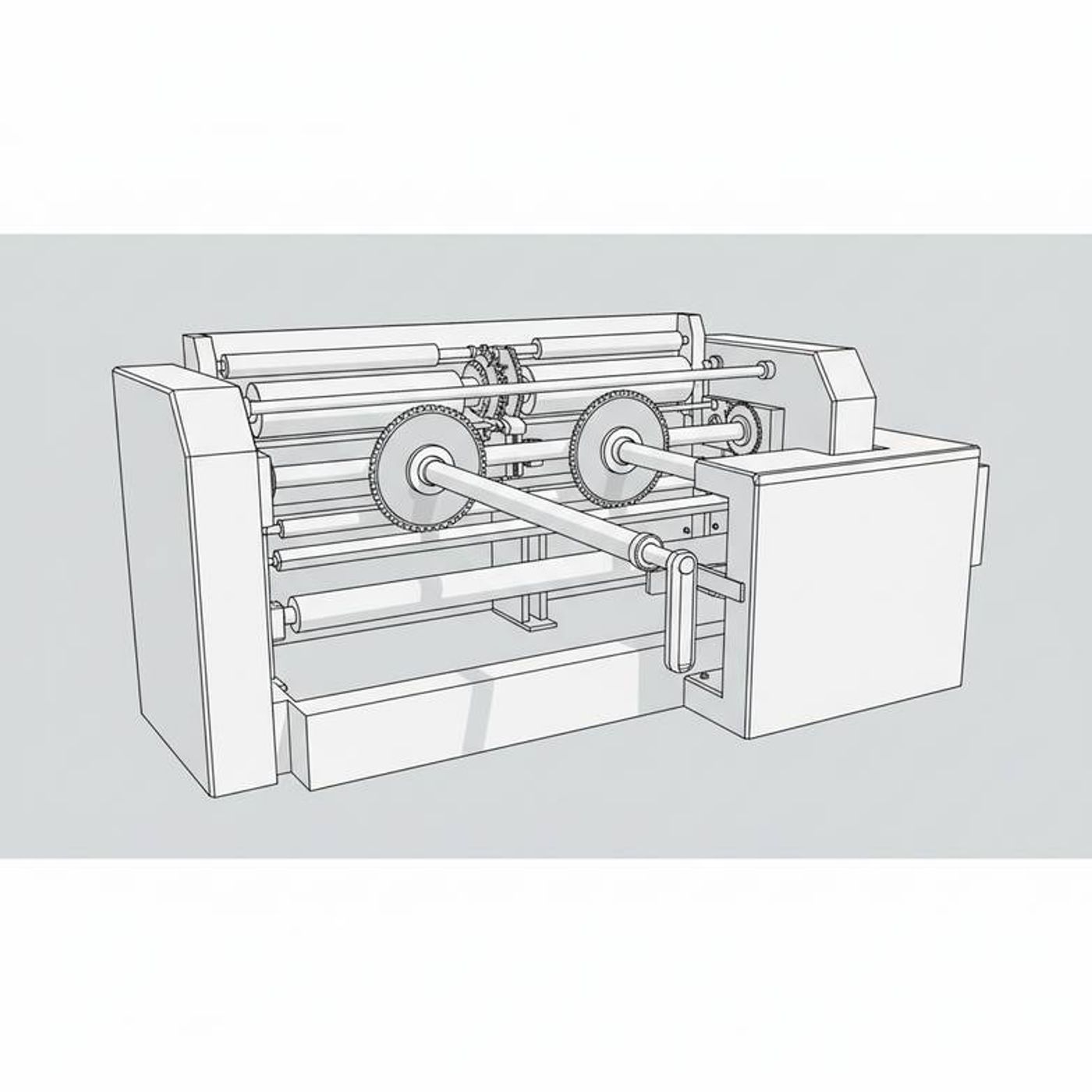
- Horizontal Accessibility: With a horizontal slitter, the entire web path, slitting section, and rollers are typically at a convenient working height. An operator can easily see the material, make adjustments, and perform cleaning and blade changes without needing ladders or platforms. This improves both safety and speed.
- Vertical Accessibility: Vertical designs can stack components, making some areas harder to reach. Accessing top rollers or a slitting section located high on the machine might require a built-in platform or mobile stairs. This can add time to routine maintenance tasks. I once consulted with a customer who was set on a vertical slitter for its small footprint. We did a "virtual" blade change, walking through the steps their team would take. They realized it would require two operators and a mobile platform, adding 15 minutes to every changeover. They ultimately chose a horizontal model that fit their workflow better.
Ergonomics are also key. Is your team constantly bending over to offload finished rolls from a low rewind shaft, or reaching overhead in an awkward position? The right machine design should fit your human operators, not force them into unsafe or inefficient movements.
Frequently Asked Questions
Which design is better for heavy paper or paperboard?
For very heavy materials like paperboard or industrial kraft paper, horizontal slitters are often preferred. The ability to use shaftless, floor-pickup unwind stands simplifies the handling of extremely heavy parent rolls and can eliminate the need for a costly overhead crane system.
Can a vertical slitter run faster than a horizontal one?
Maximum machine speed is determined by the slitter's mechanical design, drive system, and roll quality, not its orientation. However, a vertical slitter equipped with a turret rewinder can significantly reduce overall cycle time by allowing for automatic roll changes, minimizing the downtime between sets.
Do I need an overhead crane for a paper slitter?
It depends entirely on your roll weight and machine choice. Most vertical designs require a crane or specialized lift for parent rolls over a few hundred kilograms. Many horizontal designs, especially those with floor-pickup unwind stands, do not require a crane, relying on forklifts instead.
How much free space do I really need around the machine?
As a rule of thumb, plan for at least 1.5 to 2 meters (5-7 feet) of clear, unobstructed space on all operating and maintenance sides of the machine. This ensures safe access for operators, room for roll carts, and space for maintenance personnel to work effectively.
Conclusion
The debate over horizontal vs vertical paper slitters is not about finding a universally superior design. It's about conducting a thorough risk assessment of your own facility and workflow. The right choice is the one that best fits your available space, your roll handling capabilities, your maintenance procedures, and your budget for total operational cost. A horizontal machine offers a simple, linear workflow and excels with heavy rolls and floor-level logistics. A vertical machine provides a compact footprint and high efficiency with turret systems, but requires an investment in vertical space and lifting equipment. By asking the right questions about your factory first, you can confidently select a machine configuration that will be a productive and safe asset for years to come.
If you're ready to analyze your specific floor layout and roll handling needs, our team at DJH Machinery is here to help. Contact us with your material, roll dimensions, and factory details, and we'll walk you through the specification process to find the right slitting solution for your operation.
Continue the Technical Review
For a closer look at the selection and operating questions raised in this guide, read Comparing Turret vs Center Surface Paper Roll Slitting Machine Configurations and compare the recommendations in Paper Roll Slitting Machine Operation: Complete Process Guide.