
Struggling with the choice between lug-type vs slat-type air shafts? I get it. On the surface, it seems like a minor detail, but picking the wrong one can lead to crushed cores, slipping rolls, and frustrating downtime. The solution isn't just picking the "stronger" or "gentler" option; it's about understanding how each design interacts with your specific cores and production demands.
The fundamental difference between lug-type and slat-type air shafts is how they grip the core. Lug-type shafts use individual, button-like gripping elements that provide a concentrated, high-torque hold, which is ideal for heavy-duty applications with durable cores. Slat-type shafts use long, continuous metal strips that expand to distribute pressure evenly across the entire core surface, protecting delicate materials and improving roll concentricity.
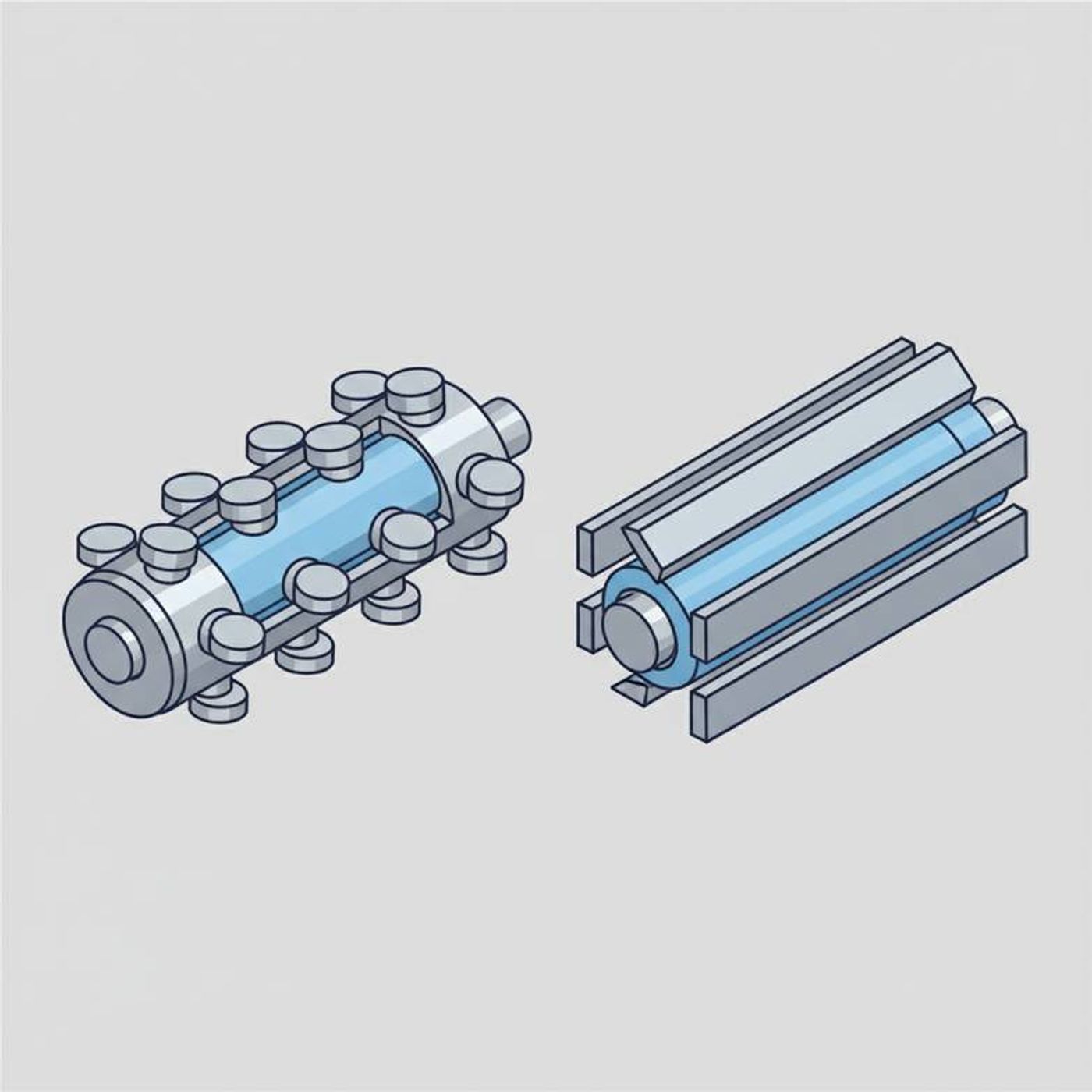
Now that we’ve covered the basic mechanics, let's get into the practical details. This isn't about which shaft is universally "better." It's about figuring out which one is right for your specific job, your material, and your machine. Let's break down the scenarios where each one truly excels.
When is a Lug-Type Air Shaft Your Best Bet?
Do you need to wind heavy, large-diameter rolls without any chance of slippage? Are you worried about the core spinning on the shaft, especially during rapid startups or stops? If this sounds familiar, the concentrated power of a lug-type air shaft is likely what you need.
A lug-type air shaft is the go-to choice when your application involves high winding torque, heavy roll weights, and strong, durable cores that can handle concentrated pressure. Think thick paperboard, heavy nonwovens, or certain metal foils.
Dive Deeper: The Power of a High-Torque Grip
When a customer calls me and says they're having issues with rolls slipping, the first thing I ask about is the roll weight and machine acceleration. The decision process for selecting a lug-type air shaft often comes down to a few key factors.
Built for Maximum Torque Transfer
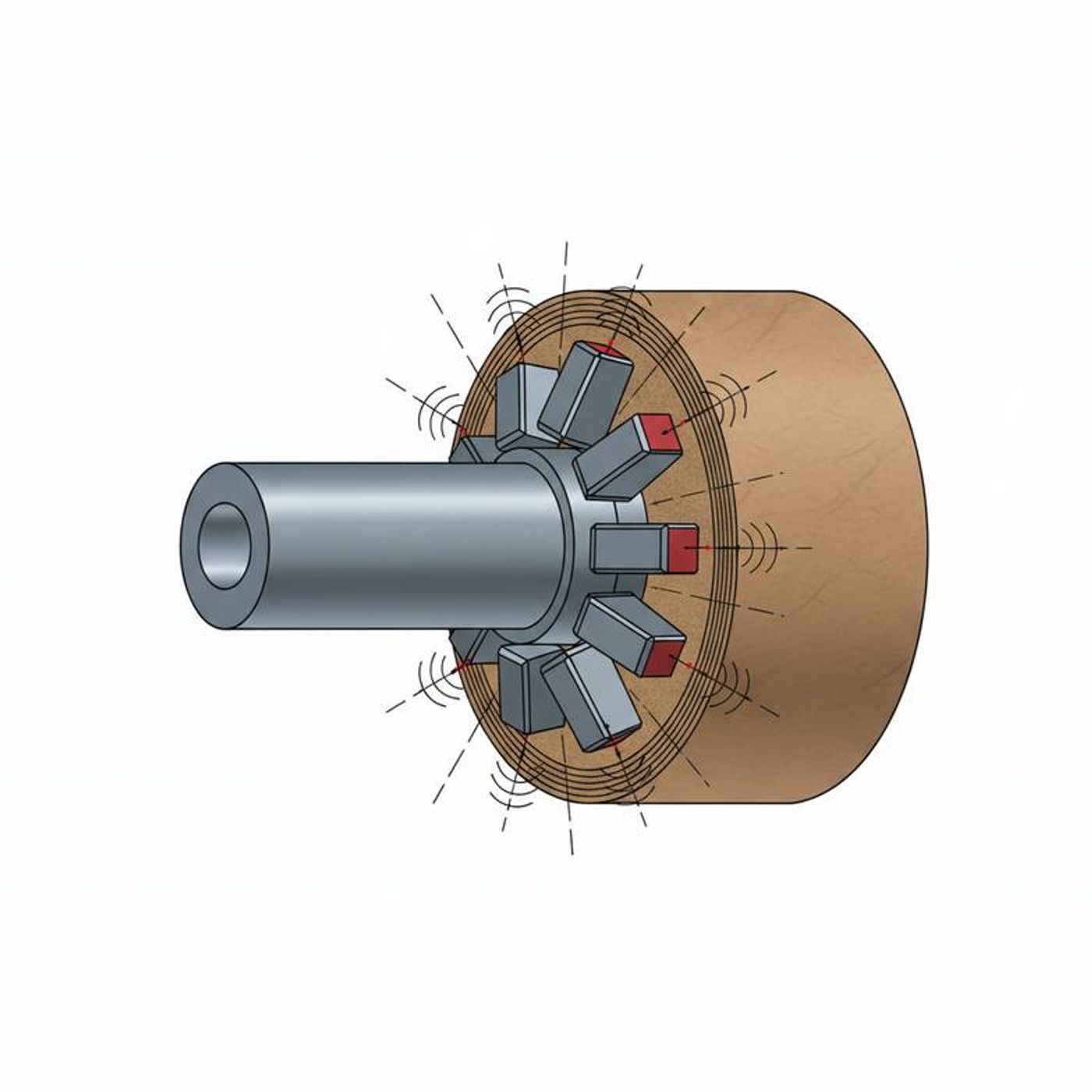
The magic of a lug shaft is in its design. When air fills the internal bladder, it pushes out a series of round or rectangular "lugs" (sometimes called buttons or keys) along the shaft body. These lugs act like individual fingers, digging into the inner wall of the core.
This creates an incredibly secure, positive lock between the shaft and the core. The force is concentrated in these small, powerful points. For applications that involve:
- Heavy Rolls: Think large parent rolls of paper, linerboard, or thick nonwoven fabrics. The sheer weight and inertia of these rolls generate immense torque, especially during startup and braking.
- High Acceleration/Deceleration: Machines that ramp up to speed quickly or stop abruptly require a grip that can transfer that torque instantly without any slippage.
- Center Winding Heavy Materials: In a center-wind configuration, all the driving force comes from the shaft itself. A lug shaft ensures that every bit of that motor power is transferred directly to the core.
The Right Core is Non-Negotiable
This powerful grip comes with a major condition: the core must be able to withstand it. Lug shafts are a perfect match for strong, rigid cores that won't crush or deform under pressure.
Ideal core materials include:
- Thick-walled fiber or paperboard cores: These are the most common partners for lug shafts. They are resilient and have enough structural integrity to handle the localized pressure from the lugs.
- Metal cores: In some heavy-duty foil or textile applications, steel or aluminum cores are used. These are obviously more than capable of handling the force.
- Hard plastic (phenolic) cores: These are less common but are also strong enough for lug-style gripping.
I often recommend lug shafts to our customers in the paper converting and packaging industries. For them, a slipped roll of heavy paperboard isn't just a quality issue—it's a safety and equipment risk. The positive lock from a lug shaft gives them the confidence they need.
So, When Does a Slat-Type Air Shaft Make More Sense?
Have you ever fought to remove a finished roll because the core was crushed onto the shaft? Or have you noticed subtle vibrations at high speed that leave behind winding defects? These are classic signs that a slat-type air shaft could be the solution you're looking for.
A slat-type air shaft is the superior choice for delicate, thin-walled, or easily marked cores. It's the hero for applications involving plastic films, flexible packaging laminates, and other sensitive materials where core integrity is paramount.
Dive Deeper: The Advantage of Uniform Pressure and Concentricity
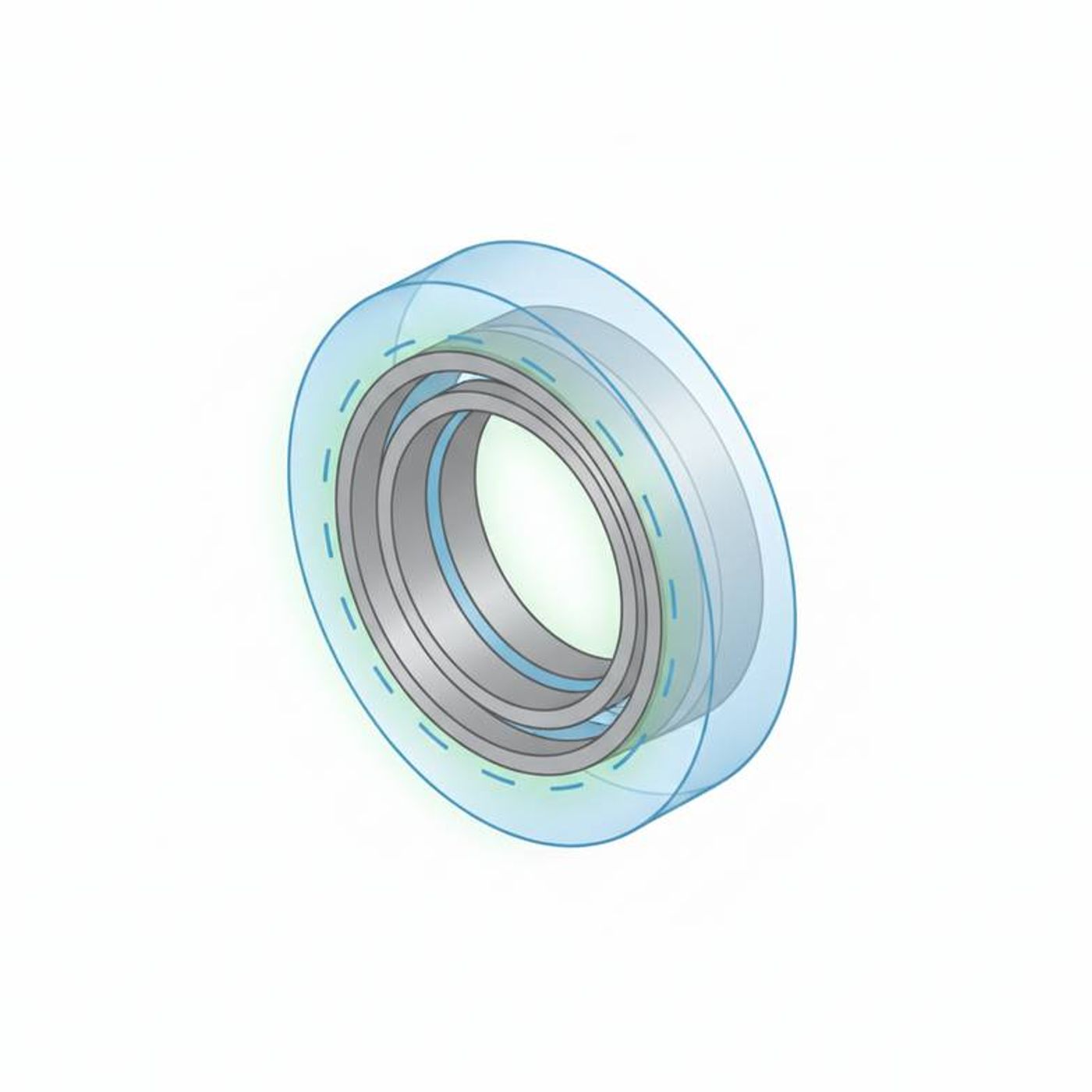
The beauty of a slat-type shaft lies in its gentle, all-encompassing grip. Instead of individual lugs, this design uses several long metal strips (slats) that run the length of the shaft. When inflated, the internal bladder pushes these slats outward, creating a continuous, 360-degree contact surface with the core's inner diameter.
Protecting Your Cores (and Your Bottom Line)
This uniform pressure distribution is the single biggest advantage of a slat shaft. There are no high-pressure points that can dig in, deform, or puncture the core. This makes it the only real choice for:
- Thin-walled plastic cores: The kind used for PET, BOPP, and other flexible packaging films. These cores will easily crush under the force of a lug.
- Low-cost or inconsistent cores: Sometimes, budget cores aren't perfectly round or have weak spots. A slat shaft can better accommodate these imperfections without causing damage.
- Surface-sensitive materials: For materials where even the slightest impression on the core could transfer through the inner wraps of the roll, the smooth, even pressure of a slat is ideal.
One of the most common problems we help customers solve is core damage on their film converting lines. They might have a machine that came with lug shafts that worked perfectly for paper, but as soon as they switch to running thin film, they start losing rolls. In nearly every single one of these cases, switching them to a slat-type air shaft eliminates the problem completely.
Better Winding Quality Through Superior Concentricity
Beyond just protecting the core, the 360-degree support from a slat shaft offers another huge benefit: it forces the core into a more perfectly round shape on the shaft. This improved concentricity is critical for high-quality winding.
When a roll is perfectly centered and balanced, it spins smoothly without wobble or vibration, even at very high machine speeds. This directly leads to:
- Reduced Vibration: Less machine wear and tear and a quieter operation.
- Improved Roll Profile: Prevents defects like starring, telescoping, and gauge bands that can be caused by a roll bouncing on the shaft.
- Consistent Tension Control: A smooth-spinning roll allows the tension control system to work more effectively, resulting in a perfectly wound finished roll from core to outer diameter.
For any converter focused on producing high-quality, visually perfect rolls of film or lightweight materials, the concentricity provided by a slat shaft is a massive advantage.
What are the Real-World Risks in the Lug-Type vs Slat-Type Air Shafts Debate?
Choosing the wrong shaft isn't just an inconvenience; it's a direct threat to your production efficiency and material costs. In the lug-type vs slat-type air shafts comparison, the decision boils down to a risk assessment: are you more likely to crush a core, or have a roll slip?
The biggest risk with a lug-type shaft is damaging or permanently crushing the core, making roll removal a nightmare. The primary risk with a slat-type shaft is the potential for slippage under extreme torque, leading to a loss of tension control and a scrapped roll.
Dive Deeper: Choosing to Avoid the Most Costly Failure
I’ve seen both failure modes happen in the field, and neither is pretty. The key is to understand which one represents the greater danger to your specific operation and choose the shaft that minimizes that risk.
The Lug Shaft Failure: A Crushed, Stuck Core
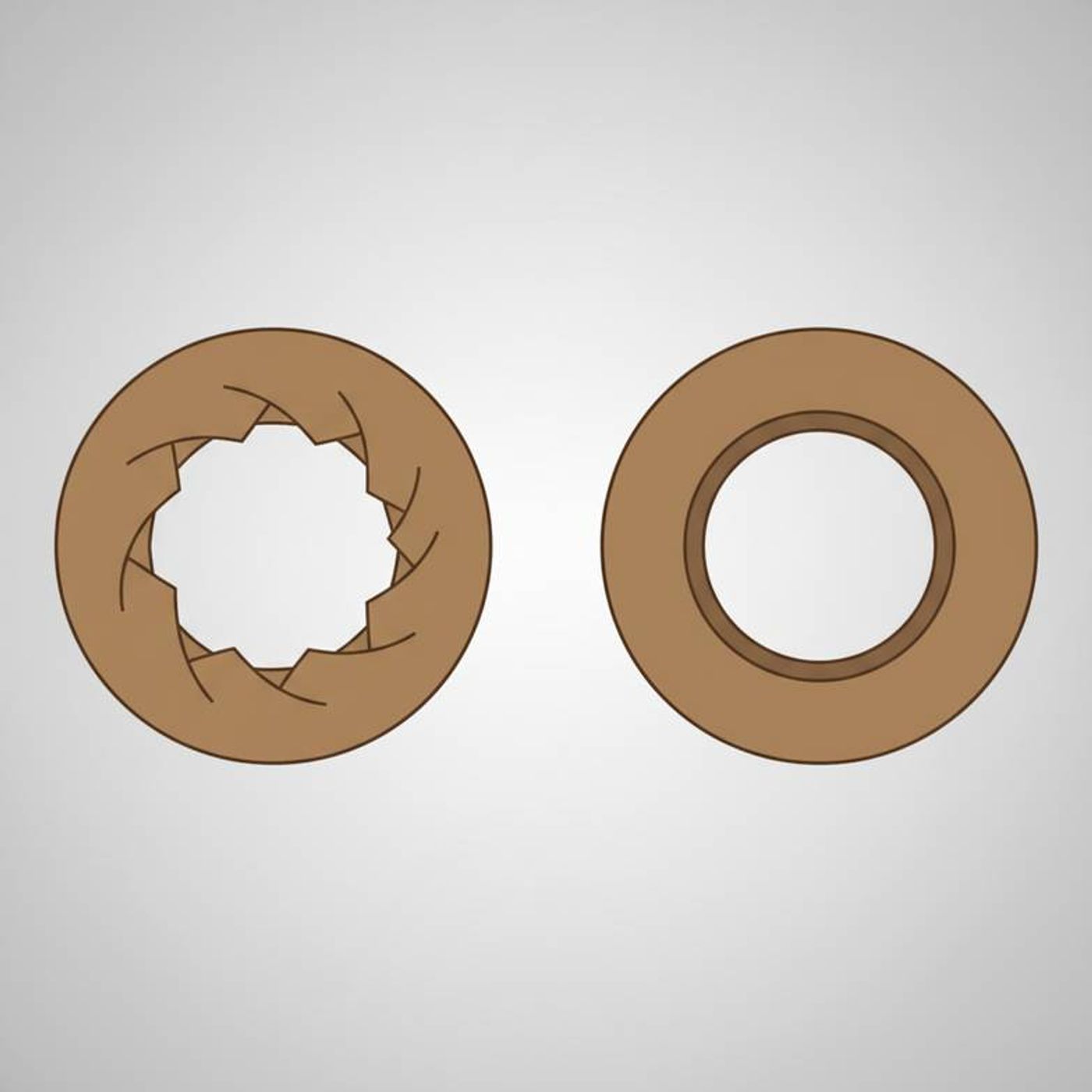
This is a mechanical, time-consuming problem. Here’s how it unfolds: you’re running a material with a core that’s just a bit too thin or weak for the lug shaft. The lugs expand, and instead of just gripping, they punch right through the inner wall or deform the core so badly that it becomes oval-shaped.
The consequence? The finished roll is now effectively welded to the air shaft. It won't slide off. Your operators might spend an hour wrestling with it, and in the worst cases, maintenance has to be called to literally cut the core (and the valuable material around it) off the shaft. This means significant, unplanned downtime and wasted material.
The Slat Shaft Failure: A Slipped, Unusable Roll
This is a process-control failure. It happens when the winding torque exceeds the frictional force that the slats can provide. The shaft starts spinning, but the core doesn't—or it slips intermittently. This is most common during rapid acceleration with a very heavy roll.
The consequence? You immediately lose tension control. The material goes slack, leading to classic winding defects. The roll might "telescope" (where layers shift sideways) or become so loose and unstable that it's completely unsellable. You have to scrap the entire roll and start over, recalibrating everything.
Making Your Risk-Based Decision
To make the right choice, you need to weigh these two potential failures against your own process. The table below can help you think it through.
| Factor | Risk with Lug-Type Shaft | Risk with Slat-Type Shaft | How to Decide |
|---|---|---|---|
| Core Material & Thickness | High risk of damaging thin-walled plastic or weak paper cores. | Low risk of core damage, even with fragile cores. | If your cores are delicate, the choice is clear: slat-type. |
| Roll Weight & Torque | Low risk of slippage, even under extreme torque. | Higher risk of slippage with very heavy rolls or high acceleration. | If you're winding heavy rolls that demand massive torque, lean toward lug-type. |
| Winding Speed & Quality | Can cause vibration if the core isn't perfectly round. | Excellent concentricity reduces vibration and improves roll quality. | For high-speed, quality-sensitive applications, slat-type often gives a better result. |
Ultimately, you aren't just buying a piece of hardware. You're investing in production reliability. It’s about being honest about your materials and picking the tool that best prevents the most expensive mistake.
Frequently Asked Questions
Can I use a lug shaft for thin-walled plastic cores?
I would strongly advise against it. The concentrated pressure from the individual lugs is highly likely to dent, deform, or even puncture thin plastic cores. This can make the roll impossible to remove and lead to significant downtime. A slat-type shaft is a much safer and more reliable choice for these sensitive applications.
What happens if a slat shaft slips during winding?
If a slat shaft slips, the core spins slower than the shaft, causing an immediate loss of web tension. This often results in major winding defects like telescoping, where the layers of material shift sideways, or a loose, unstable roll. The entire roll may need to be scrapped, wasting material and production time.
How does operating speed affect the choice between lug and slat shafts?
High speed magnifies any imbalance. Slat shafts provide a continuous 360-degree support, which helps center the core and ensures it runs true, significantly reducing vibration. This is crucial for maintaining roll quality at high speeds. While lug shafts can run fast, they are more prone to vibration if the core isn't perfectly uniform.
Is one type of air shaft more expensive than the other?
The initial purchase price for both types is often comparable for a given size and duty rating. However, the true cost of ownership is determined by performance. A slightly cheaper shaft that causes thousands of dollars in wasted material or downtime is far more expensive in the long run. We always recommend focusing on the right technical fit first.
Conclusion
In the end, the debate over lug-type vs slat-type air shafts doesn't have a single winner. The best choice is always the one that matches your specific application. It's a technical decision that balances gripping power against the fragility of your cores. Lugs provide the brute force needed for heavy, durable materials, while slats offer the gentle, precise control required for delicate films and high-quality winding. By understanding the primary failure mode you need to avoid—crushed cores or slipping rolls—you can make an informed choice that protects your product, minimizes downtime, and improves your overall process efficiency.
To ensure you get the perfect fit for your operation, the best next step is to discuss your requirements with a specialist. Contact us at DJH Machinery with details about your core material, roll dimensions, and machine parameters. We’ll be happy to review your application and help you specify the right air shaft for the job.