
Choosing a new slitting machine for your nonwovens is a major investment, and the fear of getting it wrong is real. What if the machine that looked great in the video can't handle your material's unique quirks? The solution is a properly prepared nonwoven sample roll, which transforms a generic demo into a conclusive test for your specific application.
A well-prepared nonwoven sample roll is a diagnostic tool. It’s not just about seeing if a machine can cut; it’s about providing a representative, documented sample of your material to test how a supplier's equipment will perform with your specific production challenges, thereby de-risking your investment before you commit.
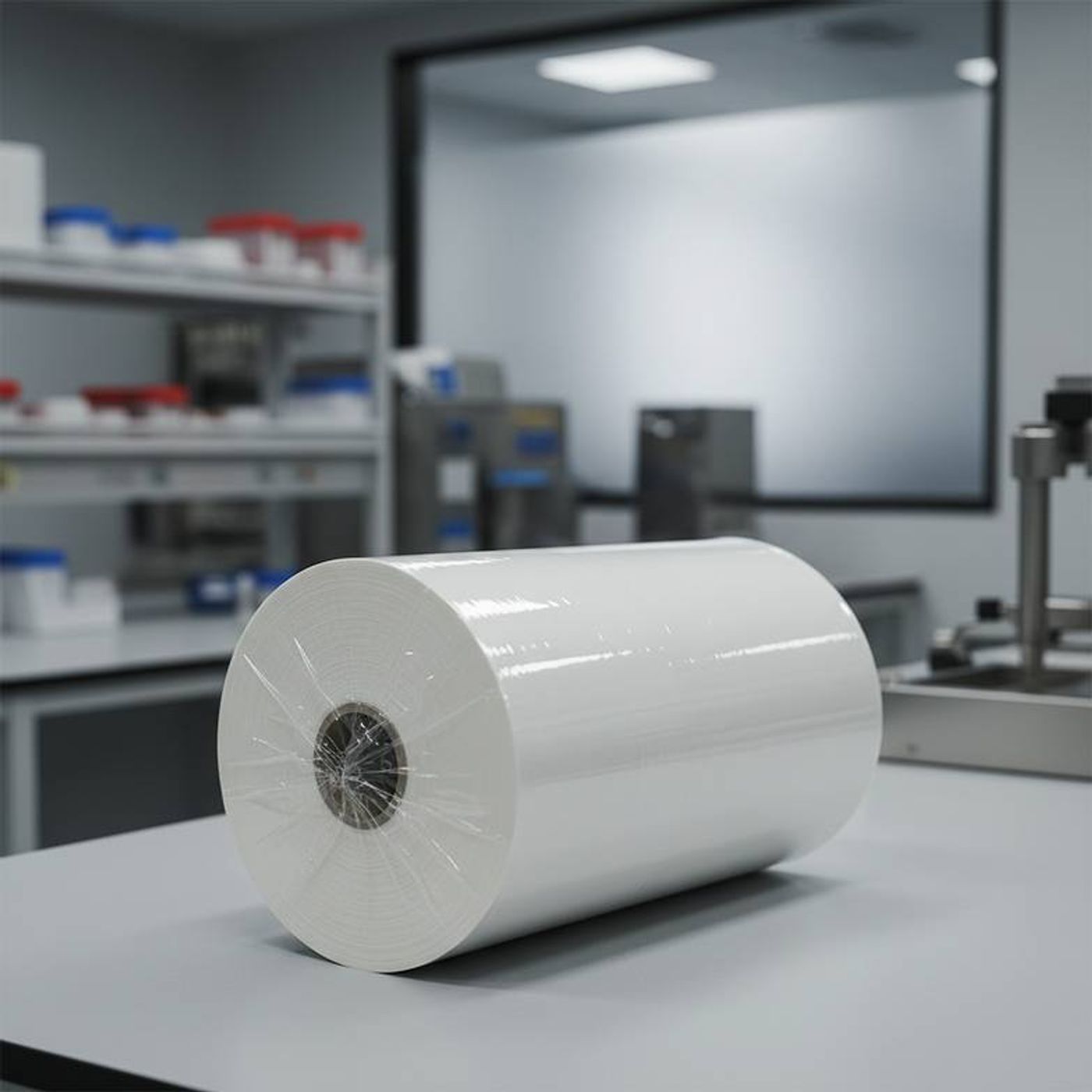
Sending a sample might seem like a simple step, but the quality of your preparation directly impacts the quality of the data you get back. A thoughtfully prepared sample allows you and the supplier to gather critical information, turning a simple "pass/fail" test into a deep analysis of the machine's capabilities with your material. Let's dive into how to do it right.
What Information Should Accompany Your Nonwoven Sample Roll?
Are you worried that a supplier might not grasp the specific challenges of your material? Just sending a roll without context is like giving a doctor a patient but no medical history. To get a real diagnosis, you need to provide the full story.
The information you send with your nonwoven sample roll is as important as the roll itself. Always include a technical data sheet, your target finished roll specifications, and a frank description of any current processing issues you face.
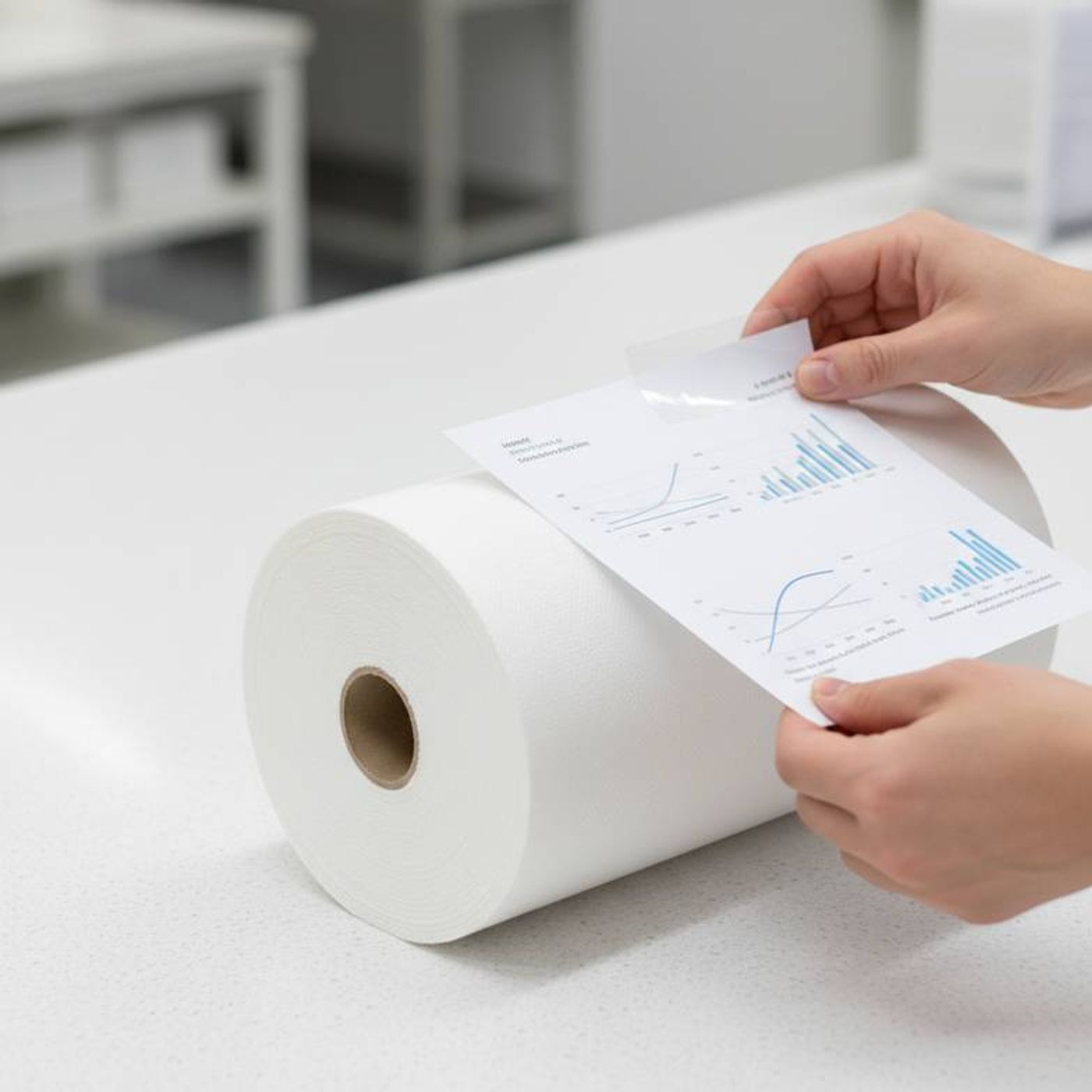
In my experience, the most successful trials begin with a clear exchange of information, not just material. The supplier isn't a mind reader. The more data you provide upfront, the more tailored and useful the trial will be. Think of the supplier as a partner in this test; their goal should be to configure their machine to solve your specific problem. They can only do that if you define the problem clearly.
The "Why" Behind the Paperwork
- Technical Data Sheet (TDS): This is non-negotiable. The supplier needs to know the material's composition (e.g., PP, PET, Viscose), basis weight (GSM), and any special properties like binders, coatings, or hydrophobic/hydrophilic treatments. Why? This information dictates fundamental setup choices.
- A high GSM, lofty material might require a shear slitting system to manage dust and ensure a clean cut.
- A delicate, low-GSM material might need a specific razor blade geometry and lower tension to prevent tearing.
- The composition tells an experienced technician how much dust to anticipate and how to manage it.
- Target Finished Roll Specifications: Don't make the supplier guess what a "good" roll looks like for you. Provide a clear target.
- Slit Widths & Tolerance: What are the final widths you need (e.g., 50mm, 75mm), and what is the acceptable tolerance (+/- 0.5mm)? This defines the cutting accuracy required.
- Finished Roll Diameter & Core Size: This determines the winding parameters, including the required winding tension profile and whether a differential shaft is necessary to achieve consistent hardness across all rolls.
- Desired Roll Hardness: Do you need soft, fluffy rolls or hard, dense ones? This is a critical output that the machine's winding system must be able to control.
- Description of Current Problems: This is your chance to get free consulting. Are you currently struggling with excessive dust, wrinkled edges, or telescoping rolls? Tell the supplier. For example: "With our current machine, we get a lot of airborne dust when running our 40 GSM spunbond PP." This immediately tells a competent supplier to focus on dust extraction and to evaluate the cut quality closely. It turns the trial from a simple demonstration into a problem-solving session.
How Do You Select the Right Material for the Trial?
Are you tempted to send your most pristine, perfect material to the supplier? It’s a common impulse, but it can be a mistake. A trial is not a beauty contest; it's a stress test. The goal is to see how the machine behaves under realistic conditions, not idealized ones.
To truly test a machine's capabilities, send a nonwoven sample roll that represents a realistic production challenge. Including material with known, minor inconsistencies will reveal far more about the machine's process tolerance than a flawless, lab-grade sample ever could.
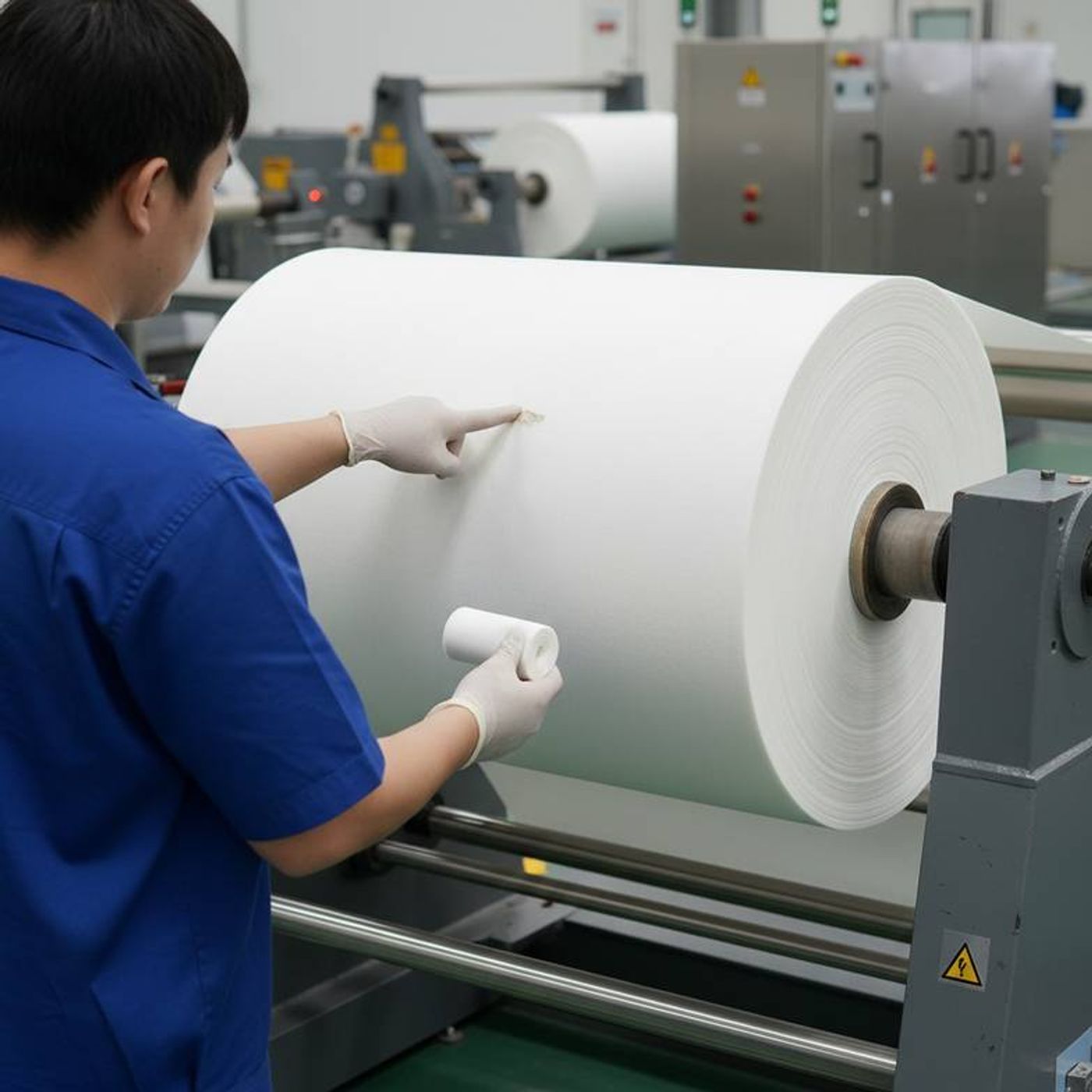
I've seen situations where a trial on a "perfect" sample went beautifully, only for the customer to struggle once the machine was installed and running real-world material. Real parent rolls have variations in thickness and tension from the core to the outside. They sometimes have splices or other minor defects. A good slitting machine should be able to handle this.
The "Perfect" Sample vs. The "Useful" Sample
Think about what you really need to know. You already know your best material runs well. What you need to find out is how forgiving the new machine will be when things aren't perfect.
| Sample Type | What it Tests | What it Might Miss |
|---|---|---|
| The "Perfect" Sample | Can the machine cut and wind under ideal conditions? | How the machine handles tension changes, thickness variations, or minor defects. The true "process window." |
| The "Useful" Sample | How does the machine's tension control, web guiding, and winding system adapt to real-world variability? | Nothing. This is the test you want. |
Here’s how to prepare a "useful" sample:
- Include Material from the Start/End of a Parent Roll: The tension profile and material density can be different near the core or at the outer diameter of a large jumbo roll. Including these sections in your sample roll gives the supplier a chance to demonstrate how their machine's unwind and tension control systems compensate for these changes.
- Don't Hide Minor Flaws: If your material occasionally has a slightly thicker spot or a small amount of slack in one area, don't cut it out. A robust web guiding system and a well-configured spreader roller should be able to manage this. Seeing how the machine handles it is invaluable data.
- Represent the Average, Not the Best: Send a roll that is a true representation of the 95% of material you run every day, not the 5% that comes off the line perfectly. This provides the most accurate baseline for evaluating the machine's performance and potential ROI.
A supplier who understands nonwovens will appreciate a challenging sample. It gives them a chance to prove their expertise and show you how their technology solves real problems. If a supplier insists on a perfect roll, it might be a sign that their machine has a very narrow operating window.
What Physical Properties of the Nonwoven Sample Roll Matter Most?
When preparing your sample, do you only focus on the material itself? It's easy to overlook the physical format of the roll, but its dimensions and condition are critical. A poorly prepared roll can compromise the trial before the machine is even turned on.
Beyond the fabric type, the physical attributes of your nonwoven sample roll—specifically its width, diameter, and core quality—are crucial. These factors directly test the machine's material handling, tensioning, and winding capabilities, providing a more comprehensive evaluation.
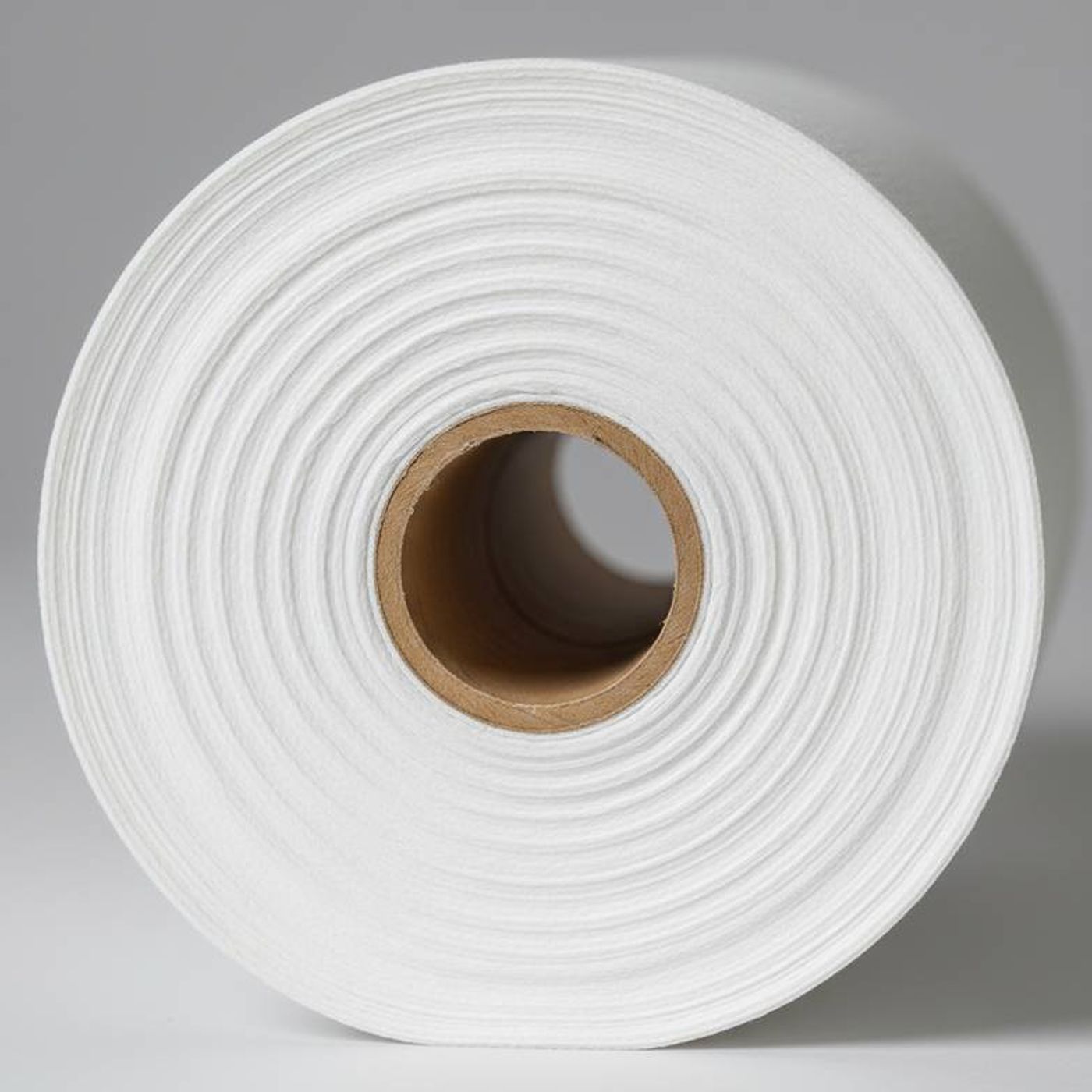
I recall a customer who sent a beautifully documented sample of a very stretchy nonwoven, but it was wound on a crushed cardboard core. The roll wobbled on the unwind stand, making it impossible to maintain consistent tension. The trial results were poor, but it wasn't the machine's fault; the problem was introduced before the test even began. This is why the physical preparation of the roll is so important.
The Unspoken Specs: Width, Diameter, and Core
1. Sample Roll Width: While you may not be able to send a full-width jumbo roll, don't send a narrow strip. A wider sample roll (ideally at least 600mm or wider) provides a much better test.
- Tension Profile: It allows you to see how the machine distributes tension evenly across a wider web. Uneven tension can lead to wrinkles or neck-in (the material narrowing as it's stretched).
- Web Guiding: It gives the edge guide system a real job to do, showing how effectively it can keep the material aligned as it enters the slitting section.
2. Sample Roll Diameter and Length: You need to send enough material. A supplier needs material for initial setup and tuning, followed by one or more test runs to produce the finished rolls.
- Setup & Tuning: This can consume 10-20 meters of material as the operator threads the machine, sets the knives, and adjusts the tension.
- Test Runs: To produce a set of finished rolls for you to evaluate, they will need enough material to run continuously for a period. A good rule of thumb is to send a roll with at least 100-200 meters of material, and more if the material is particularly complex.
3. Core Integrity and Type: The core is the foundation of your sample roll.
- No Crushing: Use a strong, high-quality cardboard or plastic core that won't get damaged in transit. A crushed core will not sit properly on the unwind air shaft, leading to wobbling and tension problems.
- Match the Supplier's Shaft: Ask the supplier what core inner diameter they prefer (e.g., 3-inch or 6-inch). Sending the right core size makes their job easier and eliminates a potential variable. A good supplier should be able to accommodate either, but it's a professional courtesy to ask.
What Should You Expect from the Supplier During the Trial?
You've carefully prepared your sample and documentation and shipped it off. Now what? Is it enough to just wait for a package with finished rolls to arrive? Absolutely not. The way a supplier communicates during the trial phase is a powerful indicator of their expertise and customer service.
A good supplier will treat the trial as a collaborative project, not a black-box process. Expect them to ask clarifying questions before the trial, provide detailed feedback during the process, and explain the results—good or bad—with technical justifications.
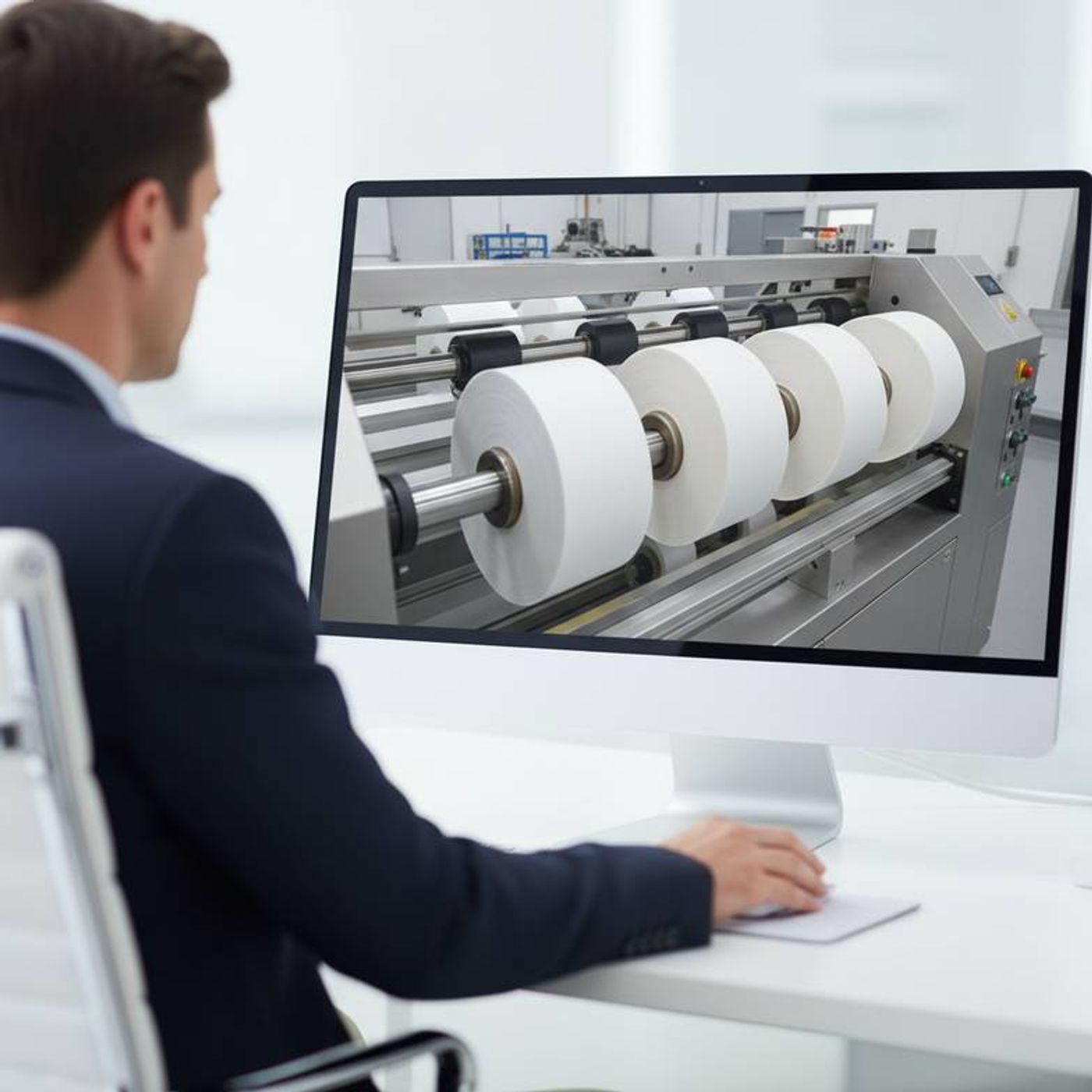
The supplier's reaction to your sample is, in itself, a test. A frequent question we get is, "What makes a good supplier stand out?" My answer is always about communication. A supplier who just says "send it over" without asking questions is a red flag. A true expert will want to know everything about the material before they even touch the machine.
Signs of a Professional and Capable Supplier
Look for these positive signs during the trial process:
- Clarifying Questions: Before the trial, they should call or email you to confirm their understanding. Expect questions like:
- "You mentioned you have dust issues. Is it more important to have a perfectly clean edge or to run at maximum speed?"
- "Your material has some elasticity. We plan to use a differential winding shaft to ensure uniform roll density. Does that align with your needs?"
- "We see the basis weight is 30 GSM. We recommend starting with a shear cut. Would you also like us to test a razor cut for comparison?"
- Process Transparency: A great supplier will offer to share videos and photos of the trial in progress. They should be able to show you:
- The machine setup, including the type of slitting (shear vs. razor) and the web path.
- The machine running your material.
- Close-ups of the slitting section to show dust generation (or lack thereof).
- The finished rolls being wound on the rewind shaft.
- Detailed Reporting: The final report should be more than just a box of samples. It should include:
- The finished rolls, clearly labeled.
- A written summary of the machine parameters used (e.g., running speed, tension settings, blade type).
- Photos or microscopic images of the slit edges.
- Honest feedback. If they encountered a challenge, they should explain what it was and how they solved it—or what would be needed to solve it. A report that says, "We had to lower the speed by 15% to eliminate edge fraying," is far more useful than a report that hides this fact.
This level of communication shows that the supplier is an expert partner invested in your success, not just a machine seller trying to make a quick sale.
Frequently Asked Questions
How much material should I send for a nonwoven sample roll?
A good rule of thumb is to send enough for setup and at least two or three separate test runs. For most nonwovens, a roll with a diameter that provides 100 to 200 meters of material is sufficient. If your material is especially wide or complex, ask the supplier for their recommendation.
Should I be present for the slitting trial?
If it's feasible, yes. Being there in person allows you to ask questions in real-time and see how the machine operates firsthand. If you can't be present, the next best thing is to request a live video call during the trial or ask for detailed videos of the entire process.
What if the trial results are not perfect?
This is not a failure; it's valuable data. A less-than-perfect result opens a technical discussion. Why were the edges fuzzy? Why was there wrinkling? It could be a simple settings issue, or it might indicate the need for a different machine configuration (e.g., a different type of spreader roller or winding shaft). This is exactly the information you need to make an informed decision.
Does a successful trial guarantee the machine will work perfectly in my factory?
A successful trial with a realistic nonwoven sample roll significantly de-risks your investment and provides a very high degree of confidence. It proves the machine's capability. The final step is ensuring consistency in your own production, including operator training and maintaining the machine, to replicate the successful trial results day after day.
Conclusion
Preparing a nonwoven sample roll for a width-conversion trial is more than just a logistical step; it's a critical part of your due diligence. By treating the sample as a diagnostic tool, you shift the focus from a simple machine demo to a comprehensive evaluation of a supplier's ability to solve your specific production challenges. By sending a realistic sample, providing thorough documentation, and demanding clear communication, you gather the hard data needed to invest in new equipment with confidence. You're not just buying a machine; you're confirming its suitability for your business.
When you're ready to evaluate equipment for your next nonwoven converting project, let's start the conversation the right way. We'll begin by asking the right questions about your material and your goals to ensure any trial we perform is a productive and informative step toward your success. Contact the DJH Machinery team today to share your specifications.
Continue the Technical Review
For a closer look at the selection and operating questions raised in this guide, read QFJ-A400 vs QFJ-A500: Comparing Roll Capacity, Slit Width and Speed and compare the recommendations in How to Choose the Right Surface Winding Slitting Machine A Comprehensive Buyer's Guide.