
Struggling to order replacement blades for your slitting machine? It's a common problem when the only information you have is a worn-out knife with no part number. Ordering based on a quick measurement feels like a gamble, and a wrong choice leads to costly downtime and wasted material. The solution for matching upper and lower slitter knives isn't about finding identical parts, but about defining your specific cutting system to ensure you get a perfect pair every time.
To correctly match upper and lower slitter knives, you must provide more than basic dimensions. A supplier needs the knife material (like D2 steel or Tungsten Carbide), the cutting geometry (such as the bevel angle), and crucially, the type and thickness of the material you are slitting. This information defines the entire cutting system and ensures a clean cut with a long service life.
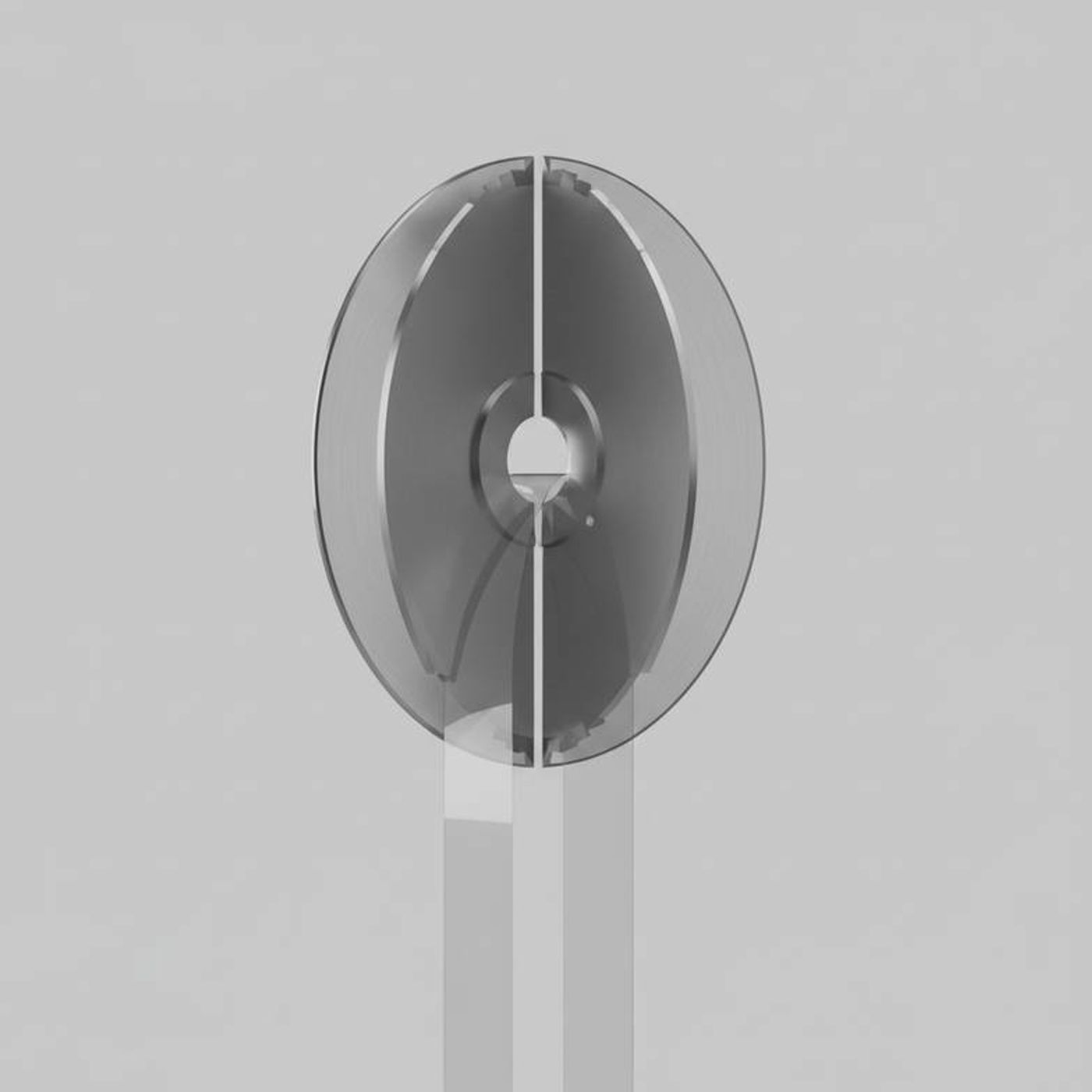
Thinking of this as a system rather than two separate parts is the key. While that sounds simple, every detail—from the angle of the blade edge to the material it's made from—has a direct impact on your production quality and efficiency. Let's break down exactly what information you need and, more importantly, why it matters so much.
Why Aren't Basic Dimensions Enough for Upper and Lower Slitter Knives?
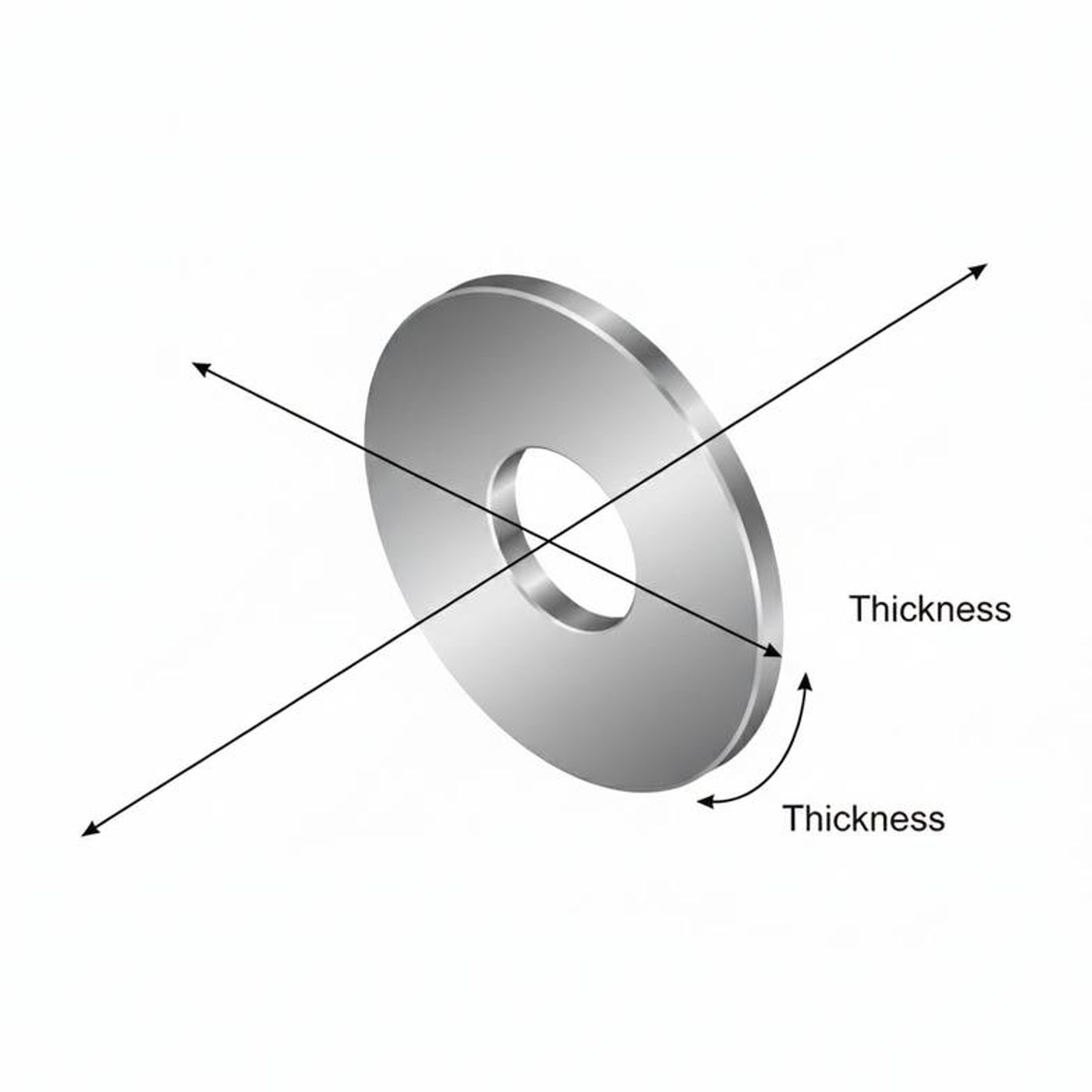
You have a knife in your hand. It seems logical to just measure the Outer Diameter (OD), Inner Diameter (ID), and Thickness, and then ask a supplier for a match, right? It's a start, but if you stop there, you're setting yourself up for potential issues like slitting dust, frayed edges, or rapid blade wear. The truth is, these dimensions only confirm that the knife will physically fit on the machine's shaft. They tell us nothing about how it will perform.
Basic dimensions like OD, ID, and Thickness only guarantee the knife will fit on the shaft. They don't ensure it will cut your material effectively. Critical performance factors like cutting clearance and shear angle depend on the knife's specific geometry and material, which are chosen based on your application.
Dive Deeper: The System of Overlap and Clearance
Think of your upper and lower slitter knives like a high-precision pair of scissors. For scissors to cut cleanly, the two blades must be sharp, shaped correctly, and set perfectly against each other. It's the same with slitting. Two key concepts define this relationship:
- Overlap: This is the vertical distance the upper knife extends past the cutting edge of the lower knife. Too little overlap and the material might not separate completely. Too much, and you create unnecessary side loading and friction, causing premature wear.
- Clearance: This is the tiny horizontal gap between the upper and lower blades. This is perhaps the most critical setting. The ideal clearance is determined almost entirely by the thickness and type of material you're cutting.
- If clearance is too tight: The knives will rub against each other, generating heat, causing rapid dulling, and potentially chipping the blades.
- If clearance is too loose: The material gets pinched or torn between the blades instead of being sheared cleanly. This is a primary cause of slitting dust, frayed edges, and "angel hair" (thin slivers of film).
Why a Technical Drawing Is King
The most reliable way to capture all this information is with a technical drawing. A good drawing goes far beyond basic dimensions and includes details that define the knife's performance:
- Keyways or Set Screw Holes: Specifies how the knife is locked onto the shaft.
- Bevel Angles: Defines the sharpness and geometry of the cutting edge.
- Surface Finish: A smoother finish can reduce friction and material buildup.
- Material Specification: States whether the knife is D2, M2, Tungsten Carbide, etc.
- Dimensional Tolerances: Ensures consistency from one batch of knives to the next.
If you don't have drawings for your machine's knives—which is very common for older equipment—don't worry. A good supplier will work with you to create them. By providing your existing (even worn) knives and information about your process, we can help document these critical specifications. This turns a one-time guess into a repeatable, reliable order process for the future.
How Does Your Material Influence the Choice of Upper and Lower Slitter Knives?
Have you ever tried to cut a different material with your standard set of knives and suddenly run into problems? Maybe the blade life dropped dramatically, or the cut edge was no longer acceptable. This happens because the material you're slitting is the single most important factor in selecting the right upper and lower slitter knives. A knife pair that works perfectly for paper will likely fail when slitting abrasive film.
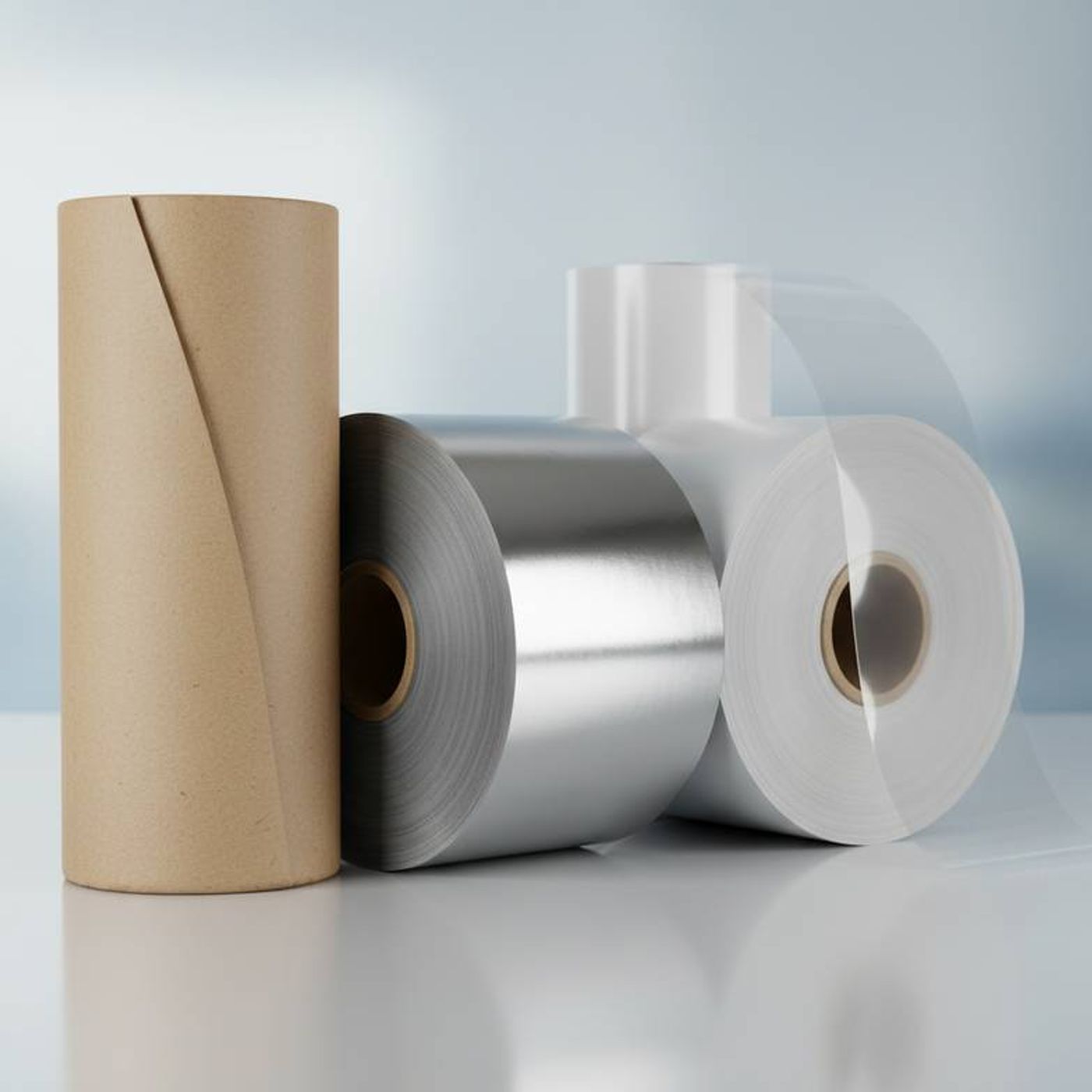
The material being slit—whether it's paper, film, foil, or a nonwoven fabric—along with its thickness, dictates everything. It determines the ideal cutting geometry, the best knife material for hardness and longevity, and the precise cutting clearance needed for a clean, dust-free slit.
Dive Deeper: Matching Knife Material to Your Application
Choosing the right blade material is a trade-off between wear resistance, toughness, and cost. There is no single "best" material; there is only the "best" material for your application. Over my years of helping customers, I've seen that understanding this trade-off is crucial.
For example, a customer was slitting standard label stock with D2 steel knives and getting great results. They then took on a new job slitting a metallized film with the same setup. Their knife life dropped by over 75%. The abrasive nature of the film was wearing out the D2 steel far too quickly. By switching to Tungsten Carbide knives and adjusting the clearance, they not only restored their blade life but exceeded it, reducing downtime significantly.
Here’s a simple breakdown of common materials:
| Material | Key Property | Best For... | Main Consideration |
|---|---|---|---|
| D2 Steel | Good balance of wear resistance & toughness | General-purpose paper, cardboard, some films. A great all-rounder. | Can chip if it hits hard contaminants. Not ideal for highly abrasive materials. |
| M2 / HSS | Higher heat & wear resistance | High-speed applications, tougher films, and non-ferrous foils. | More expensive than D2, but offers longer life in demanding jobs. |
| Tungsten Carbide (TC) | Extreme hardness & wear resistance | Abrasive materials (e.g., metallized films, fiberglass), nonwovens, very long production runs. | Most expensive and more brittle. It can shatter from shock (like hitting a staple). |
When you send an inquiry, telling us you're cutting "film" isn't enough. Is it 12-micron PET film or 100-micron LLDPE? Is it coated or filled with abrasive additives? The more detail you provide about your material, the better we can recommend a knife system that gives you the best balance of performance and cost.
Are the Upper and Lower Slitter Knives Actually Different Parts?
It's a common assumption that the top and bottom slitter knives are just two identical blades. After all, they work together. But ordering two of the same part number without confirming their roles can lead to a cutting system that simply doesn't function. The two knives are partners, but they have different jobs and are often designed differently.
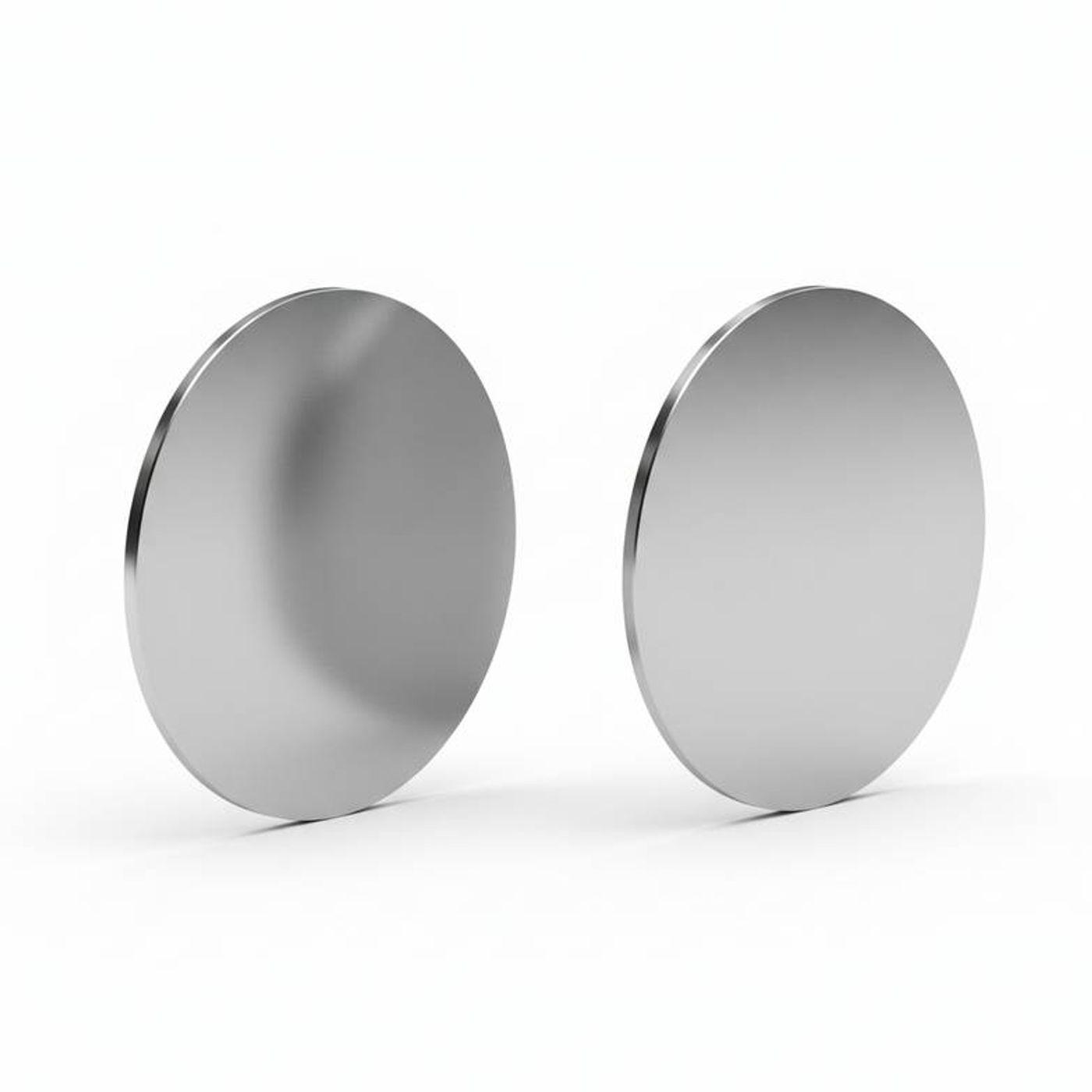
Yes, in most shear slitting systems, the upper and lower slitter knives are different parts with distinct geometries. The top (or male) knife is often dished or has a sharp bevel angle to penetrate the material, while the bottom (or female) knife provides a solid cutting edge for the shear action to complete.
Dive Deeper: Understanding Their Different Roles
The upper and lower knives work together to create a "shear point"—the exact spot where the material is cut. Their different designs are engineered to make this happen cleanly and efficiently.
- The Upper Knife (Top Knife): This is the primary penetrating blade. It's often "dished," meaning it has a slight concave shape. This isn't a defect; it's a design feature that ensures the cutting force is concentrated at a single point as it meets the bottom knife. The cutting edge itself will have a specific bevel, which is the angle ground onto the edge. A sharper angle (e.g., 30°) penetrates easily but is more delicate, while a wider angle (e.g., 60°) is more durable but requires more force.
- The Lower Knife (Bottom Knife): This acts as the solid anvil or the other half of the scissors. It's often a flat-faced ring with one or two sharp, 90-degree edges. In some setups, especially with multi-knife shafts, the bottom knife might be a solid sleeve with multiple cutting grooves. Its job is to support the material and provide a crisp edge for the top knife to shear against.
How to Prepare Your RFQ for a Knife Pair
Putting it all together, the goal is to provide a supplier with enough information to act as your technical partner. Instead of just asking for a price on a part, you're describing your operating environment. This helps us ensure the quote we provide is for a product that will actually work.
Here is a checklist for your next Request for Quotation (RFQ):
- Information for Both Knives:
- Outer Diameter (OD)
- Inner Diameter (ID)
- Thickness
- Knife Material (if known, or describe wear issues)
- Specifics for the Upper Knife:
- Bevel type (single or double) and angle (if known).
- Note if it is dished or flat.
- Specifics for the Lower Knife:
- Is it a single ring or part of a multi-knife shaft?
- How many cutting edges does it have?
- Critical Operating Context:
- Machine: Manufacturer and model number.
- Material: Be specific! (e.g., "80gsm kraft paper," "12-micron PET film," "40 gsm spunbond nonwoven").
- Thickness: The thickness of the material being slit.
- Photos: Clear photos of both knives (especially the edges), the shaft they mount on, and any part numbers are incredibly helpful.
- Problems: Briefly describe any current issues (e.g., "we're getting a lot of dust," or "the blades only last for one shift").
Providing this full picture transforms the conversation from "Can you sell me this part?" to "Can you help me solve this production challenge?"
Frequently Asked Questions
Can I sharpen my own upper and lower slitter knives?
While it is possible, sharpening slitter knives requires specialized grinding equipment to maintain the precise bevel angles, concentricity, and surface finish. Incorrect sharpening can easily ruin a knife's geometry, leading to poor cut quality and a shorter lifespan. For critical applications, we recommend using a professional resharpening service.
How do I measure the cutting clearance?
Cutting clearance is typically set using feeler gauges. With the knives mounted on the shafts but not fully locked, you slide a feeler gauge of the desired thickness between the blades. The ideal clearance is often a small percentage (around 5-10%) of the material's thickness. Always consult your machine's manual or your knife supplier for specific recommendations.
What's the difference between shear slitting and score/crush cutting?
Shear slitting, which this article focuses on, uses a pair of upper and lower slitter knives that act like scissors to produce a very clean, high-quality cut. In contrast, score cutting (or crush cutting) uses a single knife that presses the material against a hardened anvil roller, crushing and separating it along a line. Score cutting is simpler but generally produces more dust and a lower-quality edge.
Does a higher price mean a better slitter knife?
Not always. A higher price often reflects a more advanced and harder material, like Tungsten Carbide. While TC offers exceptional wear resistance for abrasive materials, it might be too brittle or simply too expensive for a general-purpose paper slitting job where a D2 steel knife would be more cost-effective and perfectly suitable. The "best" knife is the one that best fits your application and budget.
Conclusion
Successfully matching upper and lower slitter knives is less about finding a part number and more about understanding a complete cutting system. By moving beyond basic dimensions and considering the material being slit, the geometry of the blades, and the knife material itself, you equip your supplier to provide a solution, not just a product. This collaborative approach minimizes ordering errors, reduces machine downtime, and improves the quality of your finished rolls. Preparing this information in advance will lead to a faster, more accurate quotation and a better long-term partnership with your supplier.
If you are evaluating your slitting process or need to source replacement knives, we are ready to help. Contact us with your application details, and let our team review your requirements to provide a detailed technical recommendation and quotation.
Continue the Technical Review
For a closer look at the selection and operating questions raised in this guide, read How to Specify Circular Slitter Knife Dimensions for a Replacement Order and compare the recommendations in Types of Slitting Machines for Kraft Paper: Circular vs. Razor vs. Shear.