
Having to order a replacement air shaft for a "3-inch" core seems simple, doesn't it? The problem is, relying on that one number can be a costly mistake. You’ve probably heard stories of new shafts arriving only to find they don't fit, slip under torque, or crush expensive cores. The solution is to look past the label and understand the critical importance of the air shaft expansion range.
The nominal size of a core, like "3-inch" or "6-inch," is just a general category. The true specification for a reliable fit is the air shaft expansion range. This is the shaft's functional diameter spectrum—from its un-inflated size, which must be small enough to easily load the core, to its fully inflated size, which must be large enough to securely grip the core's actual inner diameter without causing damage.
Getting this right isn't just about a shaft fitting into a core. It's about ensuring your entire slitting and rewinding process runs smoothly, safely, and without wasting material. So, how do you determine the correct expansion range for your specific operation? Let's break down the factors you need to consider.
What Is the Difference Between Nominal Size and Actual Core ID?
It's tempting to think a "3-inch" core has an inner diameter of exactly 3 inches. But when a new shaft based on that assumption gets stuck or feels loose, you quickly realize the costly difference between a name and a real-world measurement.
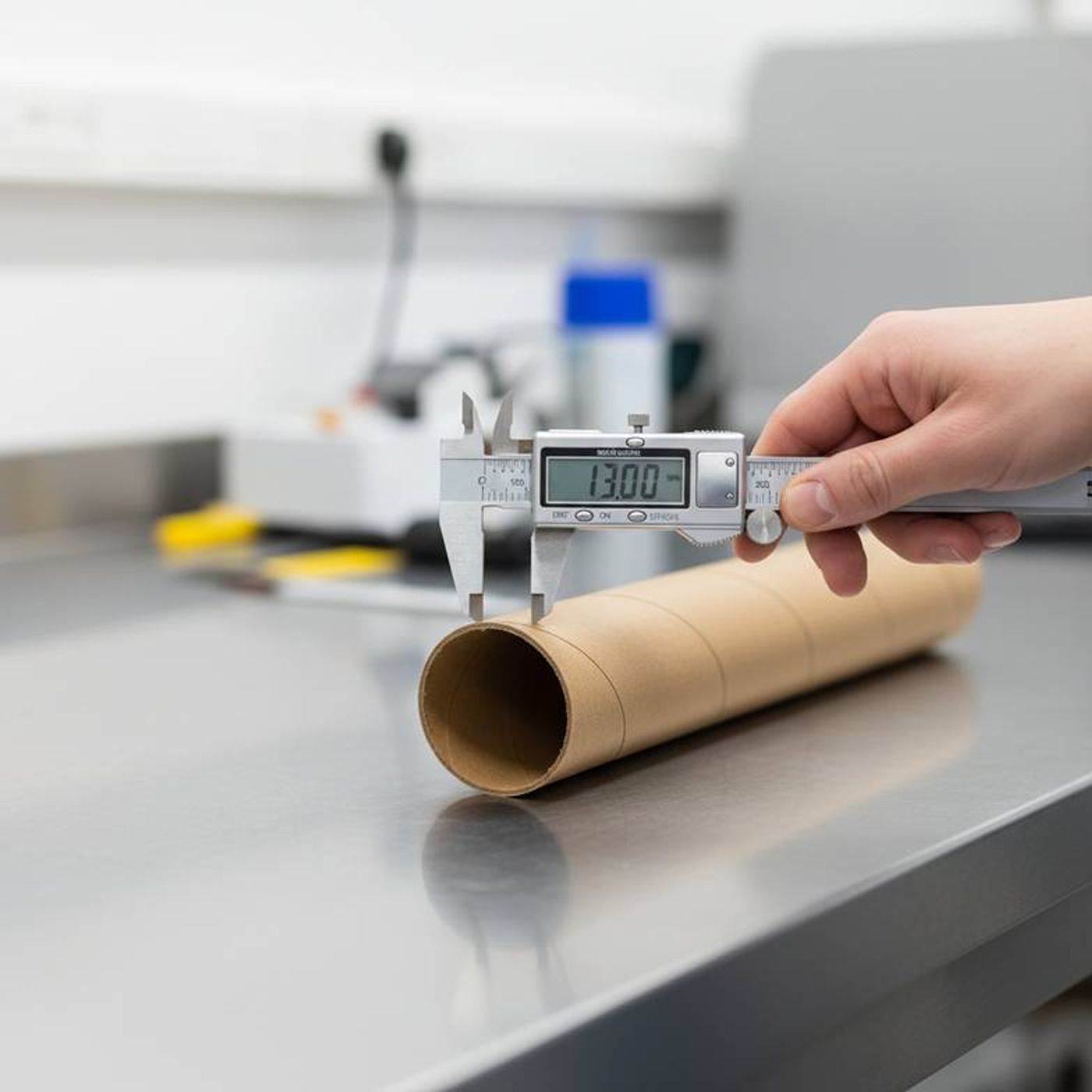
The nominal size (e.g., 3-inch, 6-inch, 76mm, 152mm) is simply an industry-standard label for a class of core. The actual core inner diameter (ID) is its physical measurement, which always has a tolerance and can vary due to the manufacturing process, material type, and even storage conditions like humidity.

When we get an inquiry for a "3-inch air shaft," the first thing we ask is, "What is the actual, measured ID of your cores?" It's a question that sometimes surprises people, but it’s the most important one we can ask.
The Reality of Manufacturing Tolerances
No manufacturing process is perfect. When core suppliers produce a batch of "76mm" paper cores, they are aiming for an average ID, but there will always be slight variations. One core might be 76.3mm, another might be 76.8mm, and a third might be 76.5mm. All are considered "in-spec" by the core supplier, but this 0.5mm variation is huge when it comes to a precision component like an air shaft.
Here are some factors that influence the actual ID:
- Material: Paper and cardboard cores can swell or shrink with changes in ambient humidity.
- Manufacturing: The winding tension and gluing process during core production create small inconsistencies.
- Storage: Improperly stored cores can become slightly oval-shaped, meaning their ID isn't even consistent around its circumference.
As a quick example, here’s what you might find in the real world:
| Nominal Core Size | Core Material | Typical Actual ID Range |
|---|---|---|
| 3 inch (76.2mm) | Paper/Cardboard | 76.3mm – 77.0mm |
| 3 inch (76.2mm) | Plastic | 76.2mm – 76.5mm |
| 6 inch (152.4mm) | Paper/Cardboard | 152.5mm – 153.5mm |
Your air shaft must have an un-inflated diameter smaller than the tightest core (76.3mm in the first example) and an inflated diameter large enough to grip the loosest core (77.0mm). This is why just saying "3-inch" doesn't give us enough information to ensure a perfect fit.
How Does the Air Shaft Expansion Range Affect Performance?
You’ve managed to load the core onto the shaft, but during a high-speed run, the roll starts to vibrate and you notice slippage during braking. The problem isn't just about fit anymore; it's about grip and stability, which are directly controlled by the air shaft expansion range.
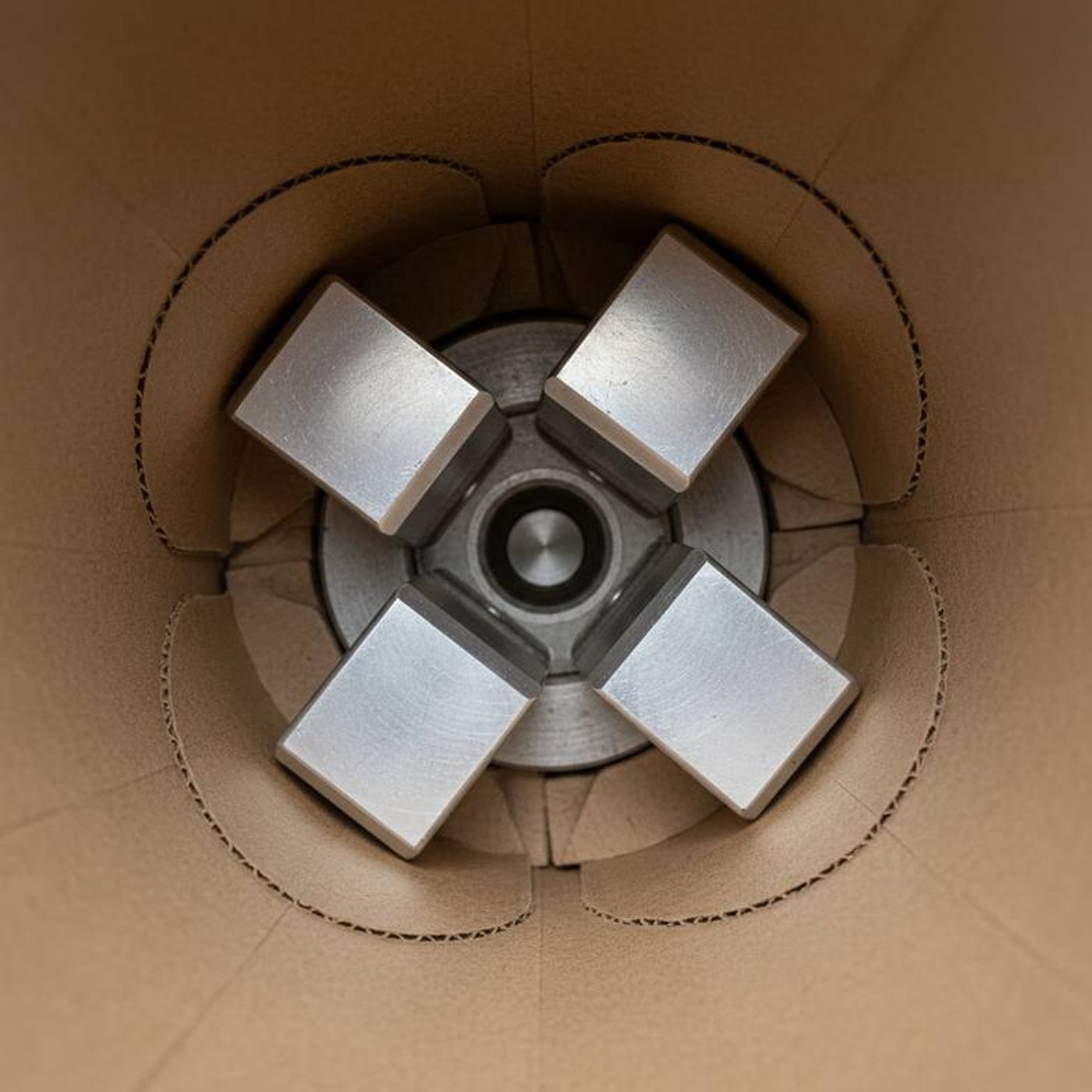
An optimal expansion range governs two critical phases of operation: the ease of loading and unloading a roll (in the un-inflated state) and the ability to securely grip the core under load without causing damage (in the inflated state). Getting this range wrong is a direct path to operational headaches.
I remember working with a customer who was experiencing terrible roll telescoping on their rewinder. They blamed the tension system, the material, everything but the shaft. It turned out the expansion was just barely enough to hold the core at slow speeds, but the moment they accelerated, it would slip just a fraction of a turn, ruining the wind.
Pre-Expansion Diameter: The Key to Easy Loading
The shaft's diameter before you apply air—its "pre-expansion" or "un-inflated" diameter—is critical for workflow efficiency. This diameter must be smaller than the minimum possible ID of your cores.
If the shaft body is too large, your operators will have to fight to slide heavy parent rolls on. They might use a hammer or force it, which can damage both the core and the shaft's surface or expansion elements. A good rule of thumb is to have the un-inflated shaft diameter be at least 1-2mm smaller than the tightest measured core ID. This provides enough clearance for an operator to easily and safely load a roll, even if the core isn't perfectly round.
Post-Expansion Diameter: The Secret to Secure Grip
Once the core is loaded and air is applied, the shaft's lugs or leaves expand outward. The "post-expansion" or "fully inflated" diameter must be large enough to make solid, firm contact with the maximum possible ID of your cores.
If the expansion is insufficient, you will face a number of issues:
- Core Slippage: During acceleration or deceleration, the torque from the machine can overwhelm the shaft's grip. This leads to inconsistent tension, web breaks, and poorly wound rolls.
- Vibration: A loose core can vibrate at high running speeds, causing chatter marks on the material and excessive wear on machine bearings.
- Safety Risks: In extreme cases, a core that slips completely can spin freely on the shaft, creating a dangerous situation.
Conversely, if the shaft expands too much or too aggressively, you risk crushing or damaging the core. This is a huge problem because a deformed core may not fit on your customer's equipment, rendering your finished roll useless.
Does Core Material Change the Required Air Shaft Expansion Range?
You’ve been using the same shaft for your paper cores for years without a problem. This week, a new job requires you to run plastic cores of the same nominal size, but suddenly you’re seeing cracked core ends and slippage. What changed? The material.
Yes, core material absolutely changes the required air shaft expansion range and gripping strategy. The rigidity, surface friction, and wall thickness of a core directly impact how it interacts with an expanding shaft. A setup that is perfect for cardboard can be destructive for thin-walled plastic.

A common situation we encounter is a converter switching from paper to plastic cores to meet a customer's "clean room" requirements. They assume their existing lug-style air shafts will work fine. They don't. The focused pressure points from the lugs, which are fine for durable paper cores, crack the more brittle plastic.
Understanding Different Core Properties
Each material has unique characteristics that demand a specific approach to gripping.
- Paper/Cardboard Cores: These are the most common. They have a relatively rough surface, which provides good natural friction. They are also somewhat compressible, making them forgiving to a point. However, they are susceptible to moisture and can be crushed by excessive, concentrated force.
- Plastic Cores: These are typically more rigid and have a much smoother surface, meaning less natural friction. To prevent slippage, you need a firm, positive grip. However, many plastic cores have thin walls and are brittle. A lug-style shaft with high point loads can easily crack them. For these, a leaf-style shaft, which provides a more continuous 360-degree expansion, is often a much better choice.
- Metal or Composite Cores: Used in heavy-duty applications, these cores are very rigid and can withstand high expansion forces. The challenge here is almost always friction. Their surfaces are smooth and hard, so the shaft must be able to expand significantly to generate enough clamping force to prevent any slippage under high torque.
Thinking about the core material is not an optional step. It's fundamental to selecting a shaft that will perform reliably and protect the value you've added to your material.
Frequently Asked Questions
How do I measure my core's inner diameter accurately?
Use a set of digital calipers. Measure the ID at several points around the opening (e.g., at 12, 3, 6, and 9 o'clock) to check for roundness. Most importantly, measure several different cores from your inventory to find the true minimum and maximum range you are working with.
Is a lug shaft or a leaf shaft better?
It depends entirely on your application. Lug-style shafts are robust and great for high-torque applications with durable cores like paper and metal. Leaf-style shafts provide gentle, uniform pressure, making them ideal for thin-walled or delicate cores like plastic and thin-gauge foil to prevent damage.
What information should I provide a supplier for an air shaft quote?
To get an accurate recommendation, be prepared to share: the nominal core size, the measured actual core ID range (min/max), the core material, the maximum roll weight, the web width, the maximum machine speed, and the type of material you are running (for torque estimates).
Can an air shaft be repaired if the expansion is wrong?
Components like air bladders, valves, and expansion lugs can often be replaced. However, the shaft's fundamental body diameter and the design of the expansion mechanism are fixed. It is far more cost-effective and reliable to get the specification right from the start than to try and modify a mismatched shaft.
Conclusion
Ordering an air shaft based on nominal size alone is a gamble that can lead to downtime, material waste, and damaged products. The key to a successful, risk-free purchase is to focus on the specification that truly matters: the air shaft expansion range. By understanding the relationship between the shaft's un-inflated and fully-inflated diameters and your core's actual ID, material, and operating loads, you move from guessing to making an informed engineering decision. This ensures the shaft will not only fit but will also perform reliably under pressure, protecting your process and your profits.
Before you place your next order, take the time to measure your cores and document your operating conditions. When you're ready to discuss your requirements, the team at DJH Machinery is here to help you select a shaft with the right expansion range for your specific application. Contact us with your specs today to start the conversation.
Continue the Technical Review
For a closer look at the selection and operating questions raised in this guide, read How to Measure Air Shaft Journals for an Existing Slitter Rewinder and compare the recommendations in Lug-Type vs Slat-Type Air Shafts: Comparing Core Contact and Fit.