
Struggling with a worn-out roller? It’s a common problem: production stops, and the pressure is on to find a rubber roller replacement fast. You might think grabbing the diameter and length is enough to get a quote, but rushing this step often leads to a replacement that fails prematurely, damages your materials, or simply doesn't fit. The key is to look beyond the obvious dimensions and specify the details that truly matter for performance and reliability.
Beyond diameter and length, a proper rubber roller replacement specification must include the roller’s core construction, critical journal dimensions and tolerances, the specific rubber compound matched to your operating environment, the correct rubber hardness (durometer), surface finish requirements, and dynamic balancing needs. These details should be captured in a technical drawing to ensure you receive a part that fits and performs as expected.
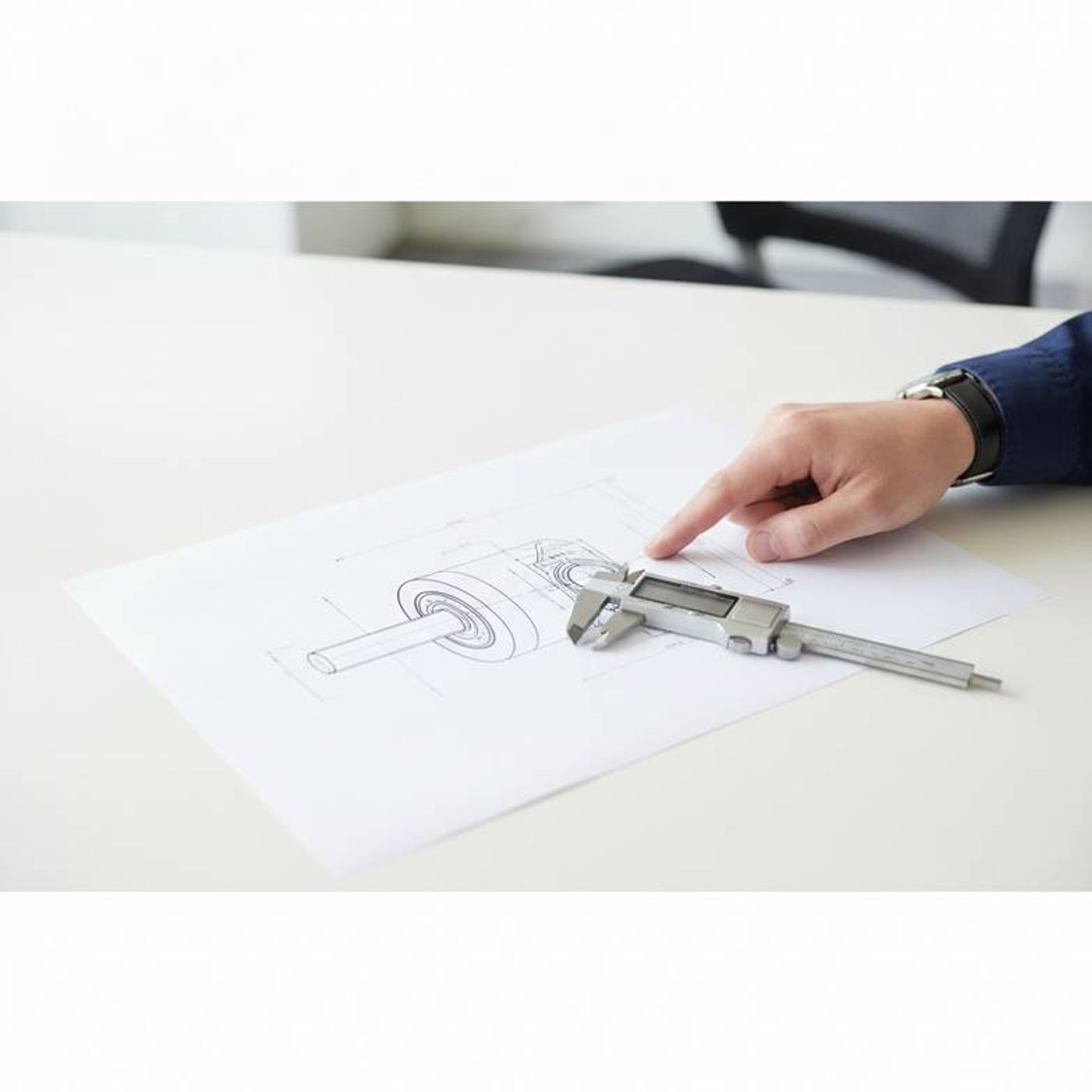
Getting these details right transforms your request from a simple inquiry into a precise technical specification. This article walks you through the questions a good supplier will ask, ensuring you get the right part the first time and avoid costly downtime. Let's dive into what really matters.
Why Are the Roller's Core and Journals More Critical Than Its Size?
You have a roller that's 2000mm long with a 150mm diameter. That seems like the most important information, right? The problem is, if the ends of the roller—the journals—don't fit perfectly into your machine's bearings or drive system, the overall size is irrelevant. It simply won't work.
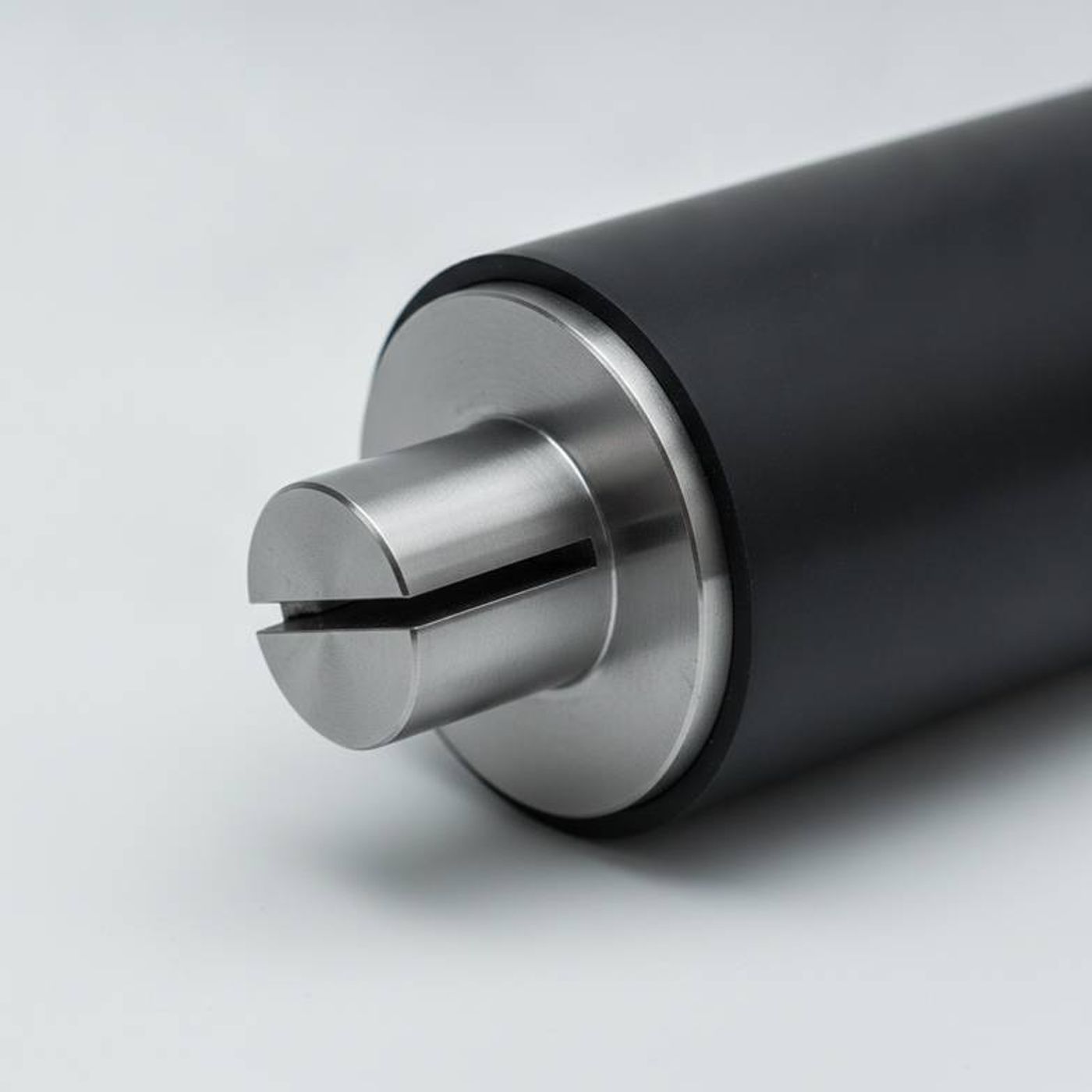
The core and journals are the skeleton and joints of the roller. Get them wrong, and you risk catastrophic mechanical failure, severe machine vibration, or a part that you can't even install. Focusing on the mechanical fit first is the most important step in any rubber roller replacement project.
Dive Deeper: The Mechanical Foundation of Your Roller
When I receive an inquiry for a replacement roller, the first thing I look at isn't the overall length; it's the drawing of the journals. These are the precision-machined ends of the roller that sit in bearings or connect to a drive motor. Think of it this way: you wouldn't buy new tires for your car without knowing they'd fit the wheel bolts.
Here’s what we need to verify for the mechanical structure:
- Core Construction: The roller body itself is typically a hollow tube made of steel or aluminum. We need to know the material and the wall thickness. A core that is too thin or made of the wrong material can bend or deform under load, especially at high speeds or with wide webs. In our experience, this is a common failure point when a supplier tries to save cost on material.
- Journal Dimensions and Tolerances: This is where precision is everything. We need the exact diameter of the journal, but more importantly, the tolerance. A specification like "50mm" isn't enough. Is it 50mm with a tolerance of +0/-0.02mm to ensure a tight press-fit into a bearing? Or is it 49.98mm with a tolerance of +0.02/-0mm for a slip fit? Without this, you could get a journal that's too loose and vibrates, or too tight and won't fit at all.
- Bearing and Mounting Interfaces: How does the journal connect? We need to know about:
- Keyways: For connecting to a motor or drive. We need the width, depth, and length.
- Tapped Holes: For attaching a retaining plate or coupling. We need the thread size (e.g., M12x1.75) and depth.
- Shoulders and Circlip Grooves: These features position the roller and hold bearings in place. Their location must be measured precisely from a reference point, usually the journal end.
- Dynamic Balancing: For any roller operating at more than a slow crawl, it needs to be dynamically balanced. An unbalanced roller will vibrate as it spins, causing premature bearing wear, chatter marks on your material, and potential damage to the machine frame. Balancing is specified to a certain grade (e.g., G2.5) depending on the operating speed.
The bottom line is that the core and journals determine if the roller can be installed and run safely. Basic length and diameter are just the beginning.
How Does My Operating Environment Define the Right Rubber Covering?
"I just need a durable rubber that will last." I hear this all the time. The problem is that "durable" has a different meaning depending on your application. A rubber that resists abrasion might swell and fall apart when exposed to oils. A compound that's great for high heat might offer poor grip.
Choosing the wrong rubber covering for your rubber roller replacement is like wearing the wrong shoes for the job. You might get by for a little while, but soon you'll have problems—material slippage, surface marking, or the rubber itself degrading in a matter of weeks, forcing another shutdown.
The right approach is to match the rubber compound and surface finish directly to your specific process conditions. Your operating environment is the key to unlocking true durability.
Dive Deeper: Matching the Rubber to the Job
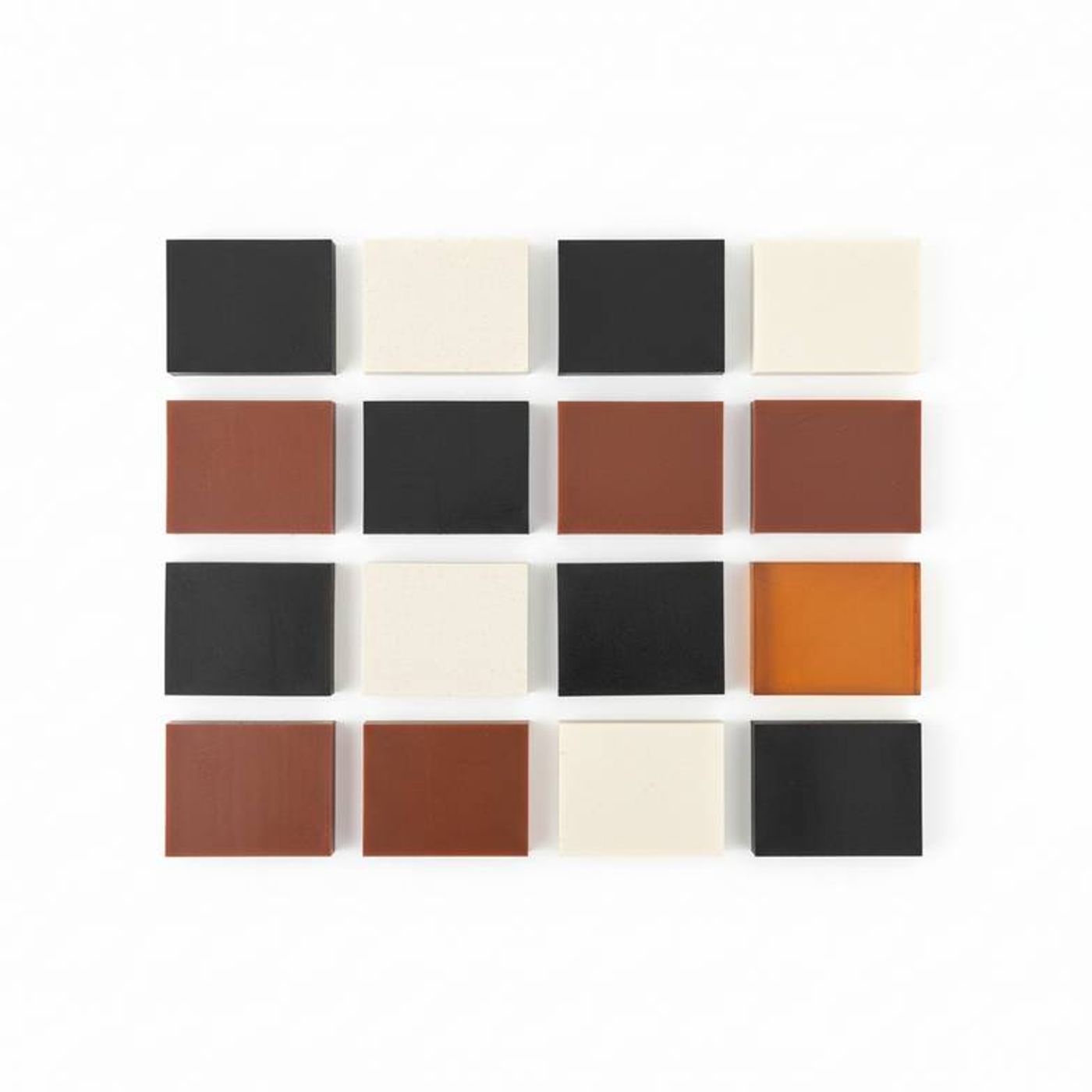
The rubber covering is the part of the roller that does the work. To specify it correctly, a supplier needs to understand the world it will live in. Here are the key factors we ask about:
- Material Being Processed: Are you running paper, delicate film, nonwoven fabric, or metal foil? Some materials are abrasive, while others are sensitive to marking. This influences both the rubber compound and the required surface finish.
- Chemical Exposure: This is a big one. Many processes involve inks, solvents, oils, adhesives, or cleaning agents.
- NBR (Nitrile): A go-to choice for applications with oil and fuel exposure. It offers good resistance but may not be the best for heat.
- EPDM: Excellent resistance to weathering, ozone, and many chemicals, making it great for outdoor use or in processes with water-based solutions.
- Silicone: The champion of high and low temperatures. If your roller is near an oven or in a chilling section, silicone is often the best choice.
- Polyurethane: Known for its incredible toughness and resistance to abrasion and cutting. It's often used in high-wear applications like slitting or anvil rollers.
- Operating Temperature: Will the roller be running at room temperature, or will it see spikes up to 150°C? As you can see from the list above, temperature resistance varies wildly between compounds. Specifying your continuous and maximum operating temperature is critical.
- Line Speed and Pressure: High speeds generate heat. High pressure in a nip roller requires a compound that can withstand compression without permanently deforming. These two factors together dictate the mechanical stress on the rubber.
- Surface Finish: The texture of the roller's surface is a design feature.
- Smooth/Ground Finish: Provides even pressure and is ideal for coating or laminating.
- Grooved Finish (Spiral or Diamond): Often used to expel air or liquids from between the roller and the web. The groove pattern and depth must be specified.
- Textured Finish: Can provide extra grip for transport rollers.
By detailing your operating environment, you give your supplier the information they need to recommend a rubber compound that won't just work, but will last.
Isn't a Harder Roller Always Better for a Rubber Roller Replacement?
This is a very common assumption. It seems logical that a harder, tougher rubber would be more resistant to wear and last longer. But in the world of rubber rollers, chasing hardness can lead you straight into production problems.
A roller that is too hard can cause a host of issues. It might not provide enough grip, leading to material slippage and inconsistent tension. It can also create a very narrow, high-pressure nip point, which can damage or mark delicate materials. The correct hardness is a careful balance between grip, pressure distribution, and wear resistance.
The goal isn't to find the "hardest" roller; it's to find the correct durometer for the specific job the roller needs to do.

Dive Deeper: The Balancing Act of Durometer
Hardness in rubber and plastics is measured on a scale called durometer, most commonly the Shore A scale for roller coverings. The scale runs from 0 to 100, where a lower number is softer (like a gummy bear) and a higher number is harder (like a plastic hard hat).
When specifying a rubber roller replacement, the durometer is one of the most important functional properties. Here’s how to think about it:
| Durometer (Shore A) | Feel | Typical Applications & Considerations |
|---|---|---|
| 20-40 | Very Soft (Gel-like) | Spreader rollers, some coating rollers. Provides excellent grip and conforms well to uneven surfaces. Can wear quickly under high pressure. |
| 40-60 | Soft (Pencil Eraser) | Nip rollers, drive rollers for delicate films. Offers a good balance of grip and pressure distribution. Good for preventing marking. |
| 60-80 | Medium (Car Tire) | General-purpose drive rollers, laminating rollers, feed rollers. This is a very common range, offering good durability and grip. |
| 80-95 | Hard (Shopping Cart Wheel) | Anvil rollers, high-pressure laminating. Very durable and resistant to cutting, but offers less grip and can mark sensitive materials. |
Here's the critical thinking required:
- For a Nip Roller: The durometer of the two rollers (or one roller against a steel roller) determines the shape and width of the "nip footprint"—the area of contact. A softer roller creates a wider, more forgiving nip, which is great for distributing pressure evenly. A harder roller creates a narrow, high-pressure nip. The wrong choice leads to poor lamination, air bubbles, or crushed material.
- For a Drive Roller: The goal is to transport the web without slipping. Durometer and the coefficient of friction are linked. A softer roller often has more "tack" and can grip better with less pressure. A harder roller might require much more pressure to achieve the same grip, risking damage to the material.
- For Wear vs. Performance: Yes, a 90A durometer roller will likely show less abrasive wear than a 50A roller. However, if that 90A roller causes slippage that scraps 5% of your material, is it really "better"? The total cost of operation includes material waste, not just the lifespan of the roller.
Instead of asking for "hard," tell your supplier the roller's function and the material you're running. A good supplier can then recommend a durometer range that balances performance with service life.
Frequently Asked Questions
What is durometer and why does it matter?
Durometer is the standard measure of rubber hardness, typically on the Shore A scale for rollers. It's critical because it determines how the roller grips, distributes pressure, and resists wear. The wrong hardness can lead to material slippage, product damage, or premature roller failure, so it must be matched to the application.
How do I measure an old roller if I don't have a drawing?
If you don't have a drawing, you'll need to create a detailed sketch. Use calipers to measure all journal diameters, lengths, keyways, and the location of any shoulders or grooves. Measure the roller face length and the final rubber diameter. Take clear photos of the ends and any special features. A good supplier can often use this information to create a formal drawing for your approval.
What's the difference between NBR, EPDM, and Silicone rubber?
These are common rubber compounds with different strengths. NBR (Nitrile) is excellent for resisting oils and fuels. EPDM is ideal for outdoor use and exposure to water or steam due to its weather and ozone resistance. Silicone is the choice for high and low-temperature applications, as it remains stable across a wide temperature range.
Does a new rubber roller need to be balanced?
Yes, if it operates at anything above a very low speed. An unbalanced roller will vibrate, causing wear on bearings, the machine itself, and potentially leaving "chatter" marks on your material. Dynamic balancing ensures smooth operation at your designated line speed and is a critical part of a quality manufacturing process.
How long should a replacement rubber roller last?
This depends entirely on the application, proper specification, and maintenance. A well-specified roller running in ideal conditions might last for years, while a roller in a high-wear or harsh chemical environment might be considered a consumable part replaced every few months. The key is that its service life should be predictable and consistent.
Conclusion
Getting a rubber roller replacement right is about more than just matching the diameter and length. As we've seen, the mechanical integrity of the core and journals is what determines if the part will even fit and run safely. The rubber compound, durometer, and surface finish are what determine if it will perform its job effectively and for how long. Relying on a photo or incomplete information is a recipe for expensive mistakes and extended downtime.
The most reliable path to a successful replacement is to build a complete technical specification, ideally captured in a formal drawing. By focusing on the roller's mechanical interface, its operating environment, and its specific function, you provide a supplier with everything they need to manufacture a component that works right out of the box. This specification-led approach is the best way to protect your production and your budget.
If you are preparing to order a replacement roller, start by gathering this critical information. When you're ready, contact us at DJH Machinery. We can work from your existing drawings or help you create a new specification to ensure your next rubber roller replacement is a perfect fit for your machine and your process.
Continue the Technical Review
For a closer look at the selection and operating questions raised in this guide, read Bow Roller Replacement: Which Dimensions and Mounting Details Matter? and compare the recommendations in How to Specify Circular Slitter Knife Dimensions for a Replacement Order.