
Choosing a new or replacement air shaft can feel complicated. You're trying to decide between materials, and a wrong choice could lead to production delays, poor quality rolls, or even safety issues for your team. When you look at your options, the debate often comes down to one core question: should you choose steel or aluminum? The decision between steel vs aluminium air shafts is more than just a material preference; it's a critical operational choice.
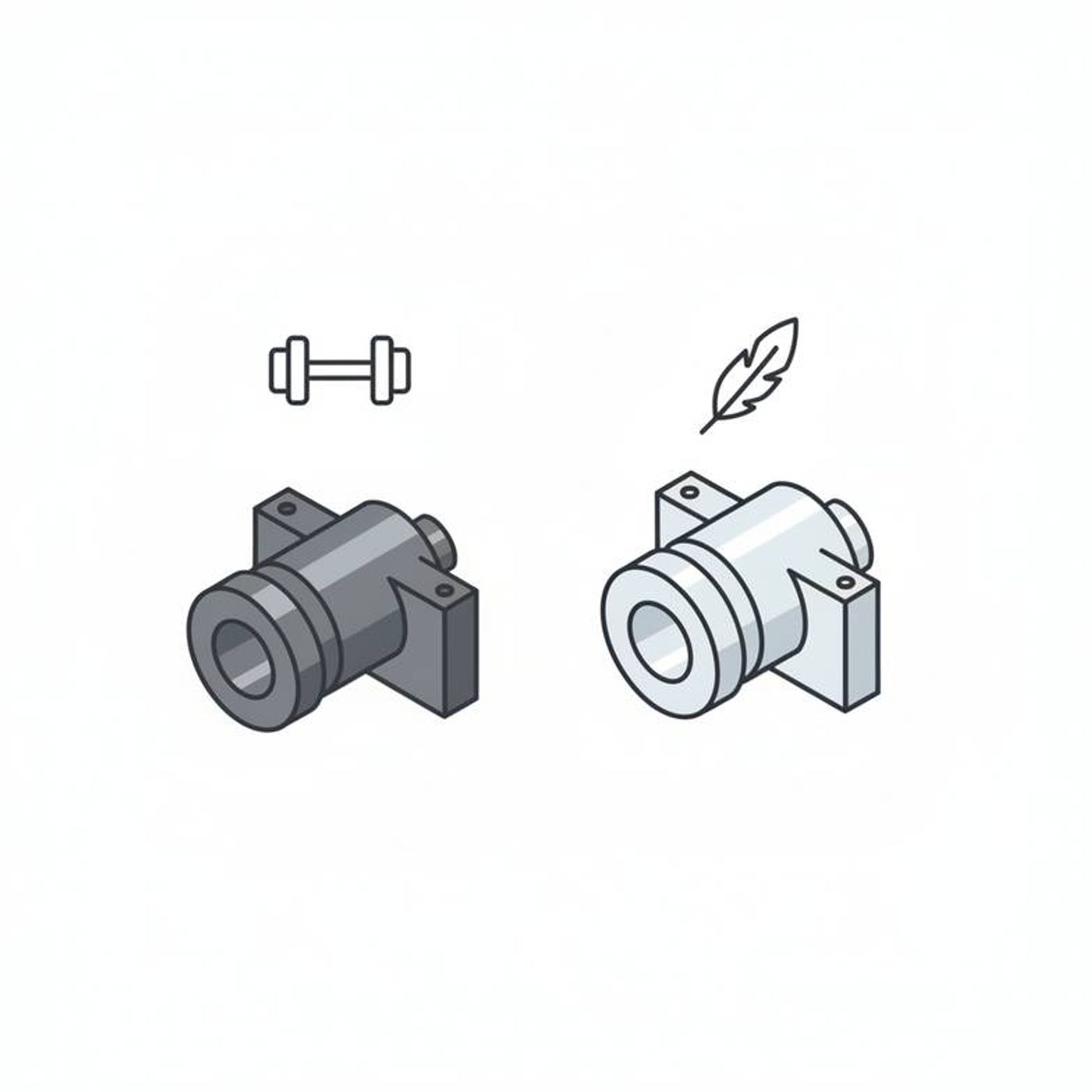
The primary difference is that steel air shafts are chosen for their strength and rigidity to handle heavy loads, wide webs, and high speeds without bending. In contrast, aluminum air shafts are preferred for their light weight, which makes them easier and safer for operators to handle in applications with lighter rolls and less demanding speeds.
Now that you understand the basic trade-off, how do you apply it to your specific factory floor? Making the right call means looking past simple material labels and digging into your actual operating conditions. Let’s break down the key factors you need to compare before placing your next order.
When Should You Prioritize Steel for Your Air Shafts?
Are you running heavy, wide parent rolls of paper or metal foil? Are you worried that shaft bending or vibration at high speeds could compromise the quality of your finished rolls? This is where the strength of steel becomes non-negotiable.
You should prioritize steel for your air shafts when your application involves heavy loads (typically over 800 kg), wide web materials (often exceeding 1.5 meters), and high rotational speeds. Steel's superior rigidity is essential to prevent shaft deflection and ensure stable, high-quality winding under these demanding conditions.
Understanding Shaft Deflection and 'Whip'
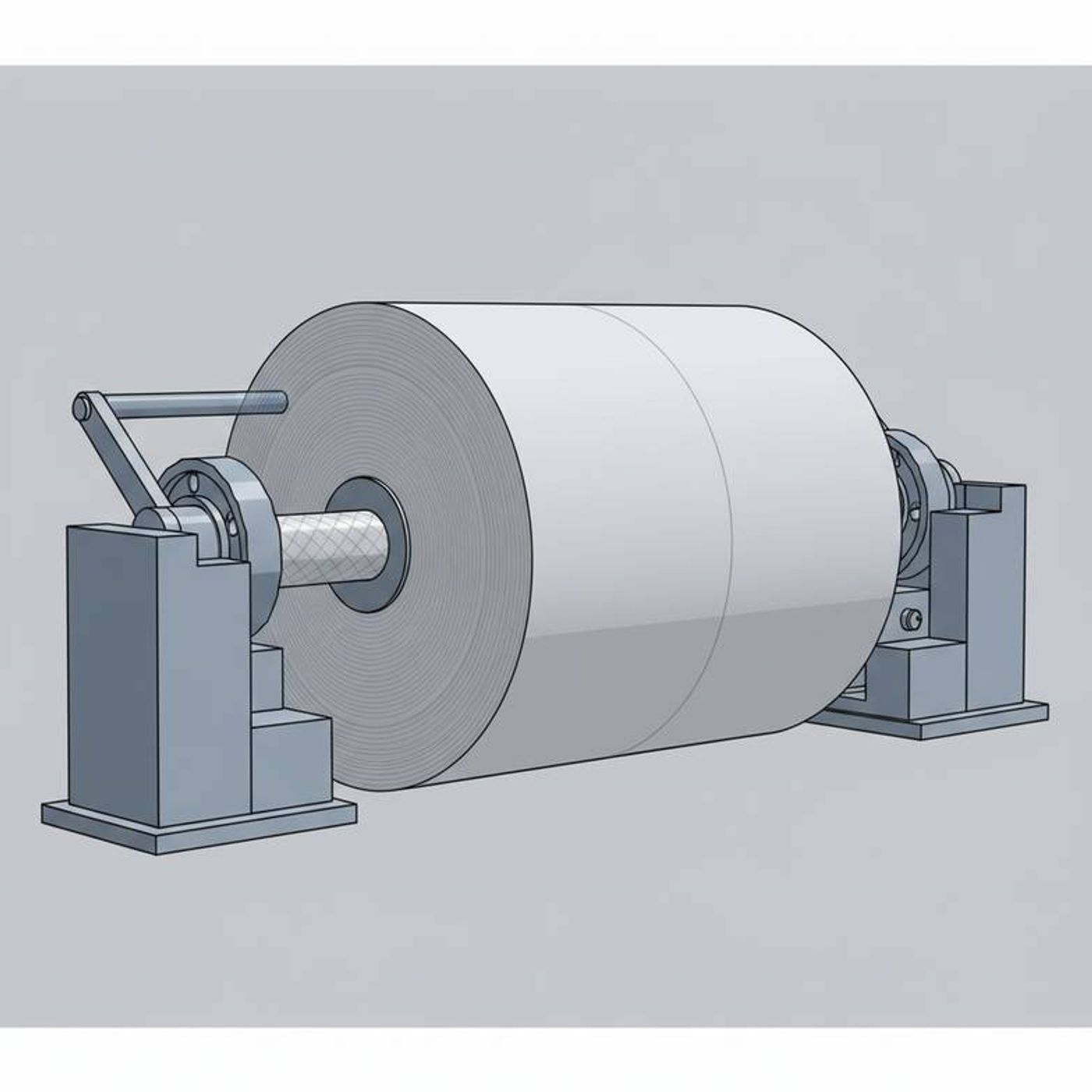
The most important reason to choose steel is to prevent something called "deflection." Imagine a 1.6-meter-wide paper roll that weighs 1000 kg. If you try to support that weight on a less rigid aluminum shaft, the shaft can literally sag in the middle under the load. This sag, or deflection, causes major problems.
As the machine gets up to speed, this initial sag can turn into a "shaft whip," where the shaft wobbles or vibrates uncontrollably. This vibration leads to:
- Uneven Winding: The tension across the web becomes inconsistent, resulting in poorly wound, telescoping, or "dished" rolls that your customers will reject.
- Poor Slit Quality: The vibration can affect the stability of the slitter knives, leading to inconsistent slit widths and rough edges.
- Increased Machine Wear: Constant vibration puts extra stress on your machine's bearings, frames, and drive components, leading to premature wear and tear.
In my experience, when a customer reports issues with inconsistent roll quality on wide, heavy materials, the first thing we investigate is whether the air shaft has sufficient rigidity for the load and speed.
The Trade-off: Operator Handling
Of course, the primary drawback of a steel air shaft is its weight. A steel shaft can be 2.5 to 3 times heavier than an aluminum shaft of the same size. This isn't a small detail; it's a major operational and safety consideration. Your operators will find it much more difficult and time-consuming to load and unload heavy steel shafts.
For this reason, operations using large steel shafts often require:
- Mechanical lift assists or overhead cranes.
- A two-person procedure for all shaft handling.
- Careful ergonomic training to prevent strains and injuries.
The decision for steel is therefore a conscious choice: you are accepting a more challenging handling process in exchange for the structural integrity required to produce a quality product.
| Feature | Steel Air Shaft | Aluminium Air Shaft |
|---|---|---|
| Load Capacity | High to Very High | Low to Medium |
| Deflection Resistance | Excellent | Fair to Good |
| Max Speed Rating | Excellent | Good |
| Operator Handling | Difficult (Heavy) | Easy (Lightweight) |
| Best For | Wide webs, heavy rolls (paper, foil) | Narrow webs, light rolls (film, light nonwovens) |
| Primary Advantage | Prevents vibration and poor roll quality | Improves changeover speed and operator safety |
Is a Lightweight Aluminium Air Shaft Right for Your Application?
Are your operators struggling with the weight of steel shafts during frequent roll changes? Are most of your jobs focused on lighter materials like packaging films or narrow nonwovens? If efficiency and ergonomics are your main concerns, aluminum is likely the right path.
An aluminum air shaft is often the better choice for lighter rolls, narrower web widths, and any application where frequent changeovers make operator speed and safety a top priority. Its low weight significantly reduces the physical strain on your team and can speed up your entire production workflow.
The Ergonomic and Efficiency Advantage
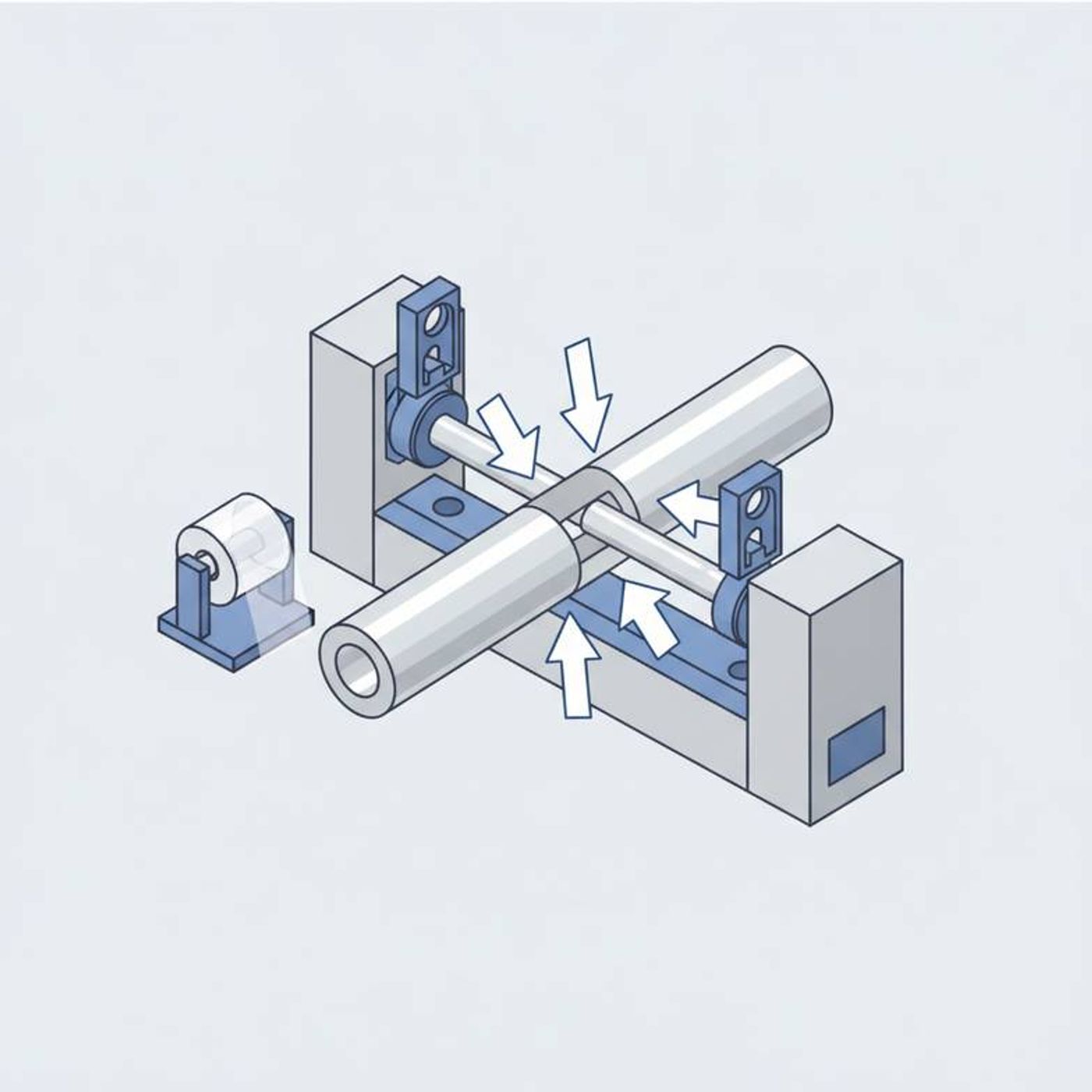
The most obvious benefit of aluminum is how easy it is to handle. When an operator can quickly and safely swap out a shaft by themselves, it has a direct impact on your bottom line. I've seen teams cut their roll changeover times significantly just by switching to aluminum for their lighter jobs.
This advantage translates into:
- Increased Throughput: Less downtime between jobs means more production hours in a day.
- Reduced Operator Fatigue: A less physically demanding job leads to a more alert and productive team.
- Lower Risk of Injury: Reducing heavy lifting is one of the most effective ways to prevent common workplace injuries like back strains.
Consider an operation slitting narrow rolls of lightweight packaging film. Here, the roll might only be 600mm wide and weigh less than 200 kg. Using a heavy steel shaft in this scenario would be overkill—it wouldn't provide any quality benefit and would only slow down the operator.
Knowing the Limits of Aluminium
However, it's crucial to understand that aluminum has its limits. While some suppliers market "high-strength" aluminum alloys, the material itself is inherently less rigid than steel. If you try to use an aluminum shaft in an application that's too wide, too heavy, or too fast, you will run into the same deflection and vibration issues we discussed earlier.
This is why, as a supplier, the first questions we ask are always about your operating conditions. A credible manufacturer won't just sell you an aluminum shaft because you ask for it; they will first confirm:
- Maximum roll weight
- Maximum machine speed
- Web width
- Core material and length
If your parameters are pushing the known limits for aluminum, a responsible supplier will recommend steel to prevent future performance problems.
What Technical Details Matter More Than the Material Choice?
You've carefully weighed the pros and cons of steel vs aluminium air shafts, but what if the shaft you order doesn't even fit your machine? Getting the material right is pointless if the dimensions are wrong. An incorrect journal can bring your entire production line to a halt.
Critical details like the shaft's journal dimensions, overall length, body diameter, and air valve type are ultimately more important than the material. A dimensional mismatch makes the shaft completely unusable, turning your carefully selected steel or aluminum into a very expensive paperweight.
The Critical Role of the Journal
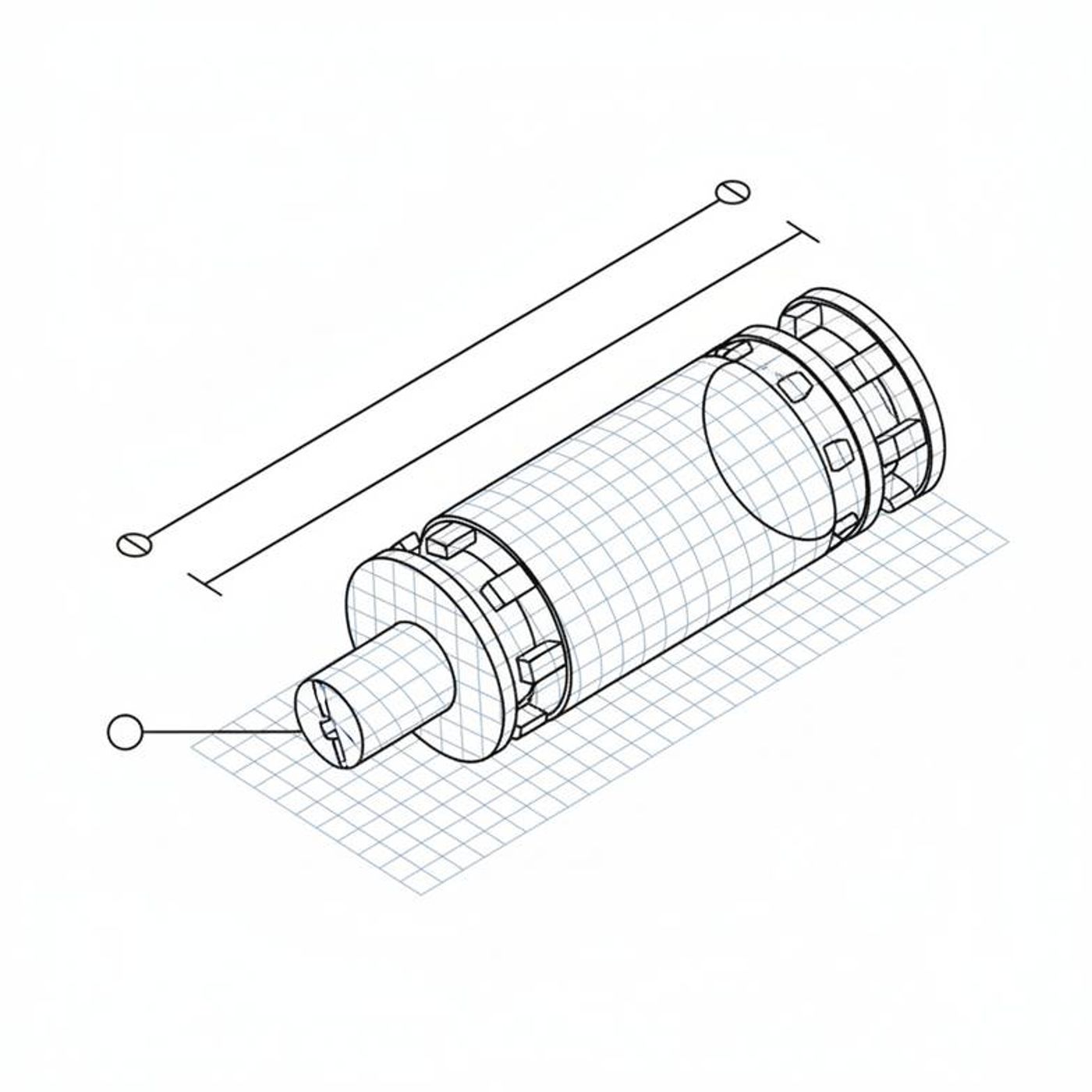
The journals are the ends of the air shaft that mount into the chucks or safety chucks of your slitting machine. They are the single most critical interface. If the journal diameter or length is even slightly off, the shaft will not lock into place securely—or at all.
When we handle inquiries for replacement air shafts, we always start with the journals. A photograph is helpful, but it's not enough. We need a technical drawing or precise measurements to guarantee a fit. Without this, you are taking a huge risk.
Preparing Your Order: The Power of a Drawing
The single best way to avoid a costly mistake is to order from a technical drawing. A drawing removes all guesswork and serves as a contract between you and the supplier. It confirms every critical dimension before any metal is cut.
If you're ordering a replacement for an older machine and don't have a drawing, you need to gather this information yourself or work with your supplier to create one. Before you contact a supplier, make sure you have this checklist ready:
- Shaft Drawing: If you have one, this is the best starting point.
- Journal Dimensions: The diameters and lengths of each end that fits into the machine.
- Overall Shaft Length: The total length from end to end.
- Shaft Body Diameter & Face Length: The main working area of the shaft.
- Core Details: The inner diameter (e.g., 3" or 6") and material (paper, plastic, etc.) of the cores you use.
- Operational Specs: Your maximum roll weight, machine speed, and web width.
Providing this information upfront ensures the supplier can quote the right product for the job, whether it's steel or aluminum.
Frequently Asked Questions
Can I use a steel air shaft for light loads?
Yes, you can. A steel shaft will perform perfectly with light loads, but it is often considered "overkill." The main disadvantage is its weight, which makes operator handling more difficult and changeovers slower compared to using a lightweight aluminum shaft for the same job.
How much heavier is a steel air shaft than an aluminum one?
As a general rule, a steel air shaft is approximately 2.5 to 3 times heavier than an aluminum air shaft of the exact same dimensions. This significant weight difference is the primary reason aluminum is preferred for applications where manual handling is frequent.
What happens if my air shaft deflects too much?
Excessive shaft deflection leads to vibration at operating speed. This can cause several serious problems, including poor slit quality, uneven winding tension (creating "dished" or telescoping rolls), increased wear on machine bearings, and potential safety hazards if the vibration becomes severe.
Is a lug-style or leaf-style shaft better?
It depends on your core material and torque requirements. Lug-style shafts are robust all-around performers suitable for paper and plastic cores. Leaf-style shafts provide 360-degree contact and are often preferred for thin-walled or delicate cores to prevent distortion, but may not handle as much torque.
Conclusion
The debate over steel vs aluminium air shafts isn't about finding a single "best" material. It's about conducting a risk assessment for your specific application. Steel provides the rigidity to ensure quality and stability with heavy, wide, and fast-moving webs, but at the cost of difficult handling. Aluminum offers tremendous ergonomic and efficiency benefits for lighter-duty work but has clear performance limits. The most critical step, however, is ensuring the mechanical fit. An incorrect journal dimension will cause more downtime than choosing the wrong material ever will.
Before you request your next quotation, take the time to gather your complete operational data and technical drawings. Knowing your roll weight, web width, machine speed, and critical shaft dimensions is the key to a successful purchase.
When you're ready with your specifications, contact us at DJH Machinery. We'll work with you to review your requirements and drawings to ensure you get the right shaft that is perfectly suited for your equipment and your products.
Continue the Technical Review
For a closer look at the selection and operating questions raised in this guide, read Lug-Type vs Slat-Type Air Shafts: Comparing Core Contact and Fit and compare the recommendations in What Drawings Are Needed to Order a Replacement Air Shaft?.