
Evaluating equipment for protective film slitting brings up a critical question: which surface of the film can safely touch the machine's rollers? You're rightly concerned that letting the tacky adhesive side make contact could gum up your rollers, leading to costly downtime. But you also know that the non-adhesive side is often a sensitive, functional surface that could be easily scratched. The solution isn't a simple yes-or-no answer, but a careful evaluation of the risks and the slitting machine's configuration.
The choice of which protective film surface can contact the rollers depends entirely on the film's specific properties, the adhesive system, and the function of each roller in the web path. There is no universal "correct" side. The best approach is to identify the risks—adhesive transfer, static buildup, or surface damage—and work with your supplier to configure a machine with features like non-stick coatings, grooved surfaces, and anti-static bars to manage them effectively.
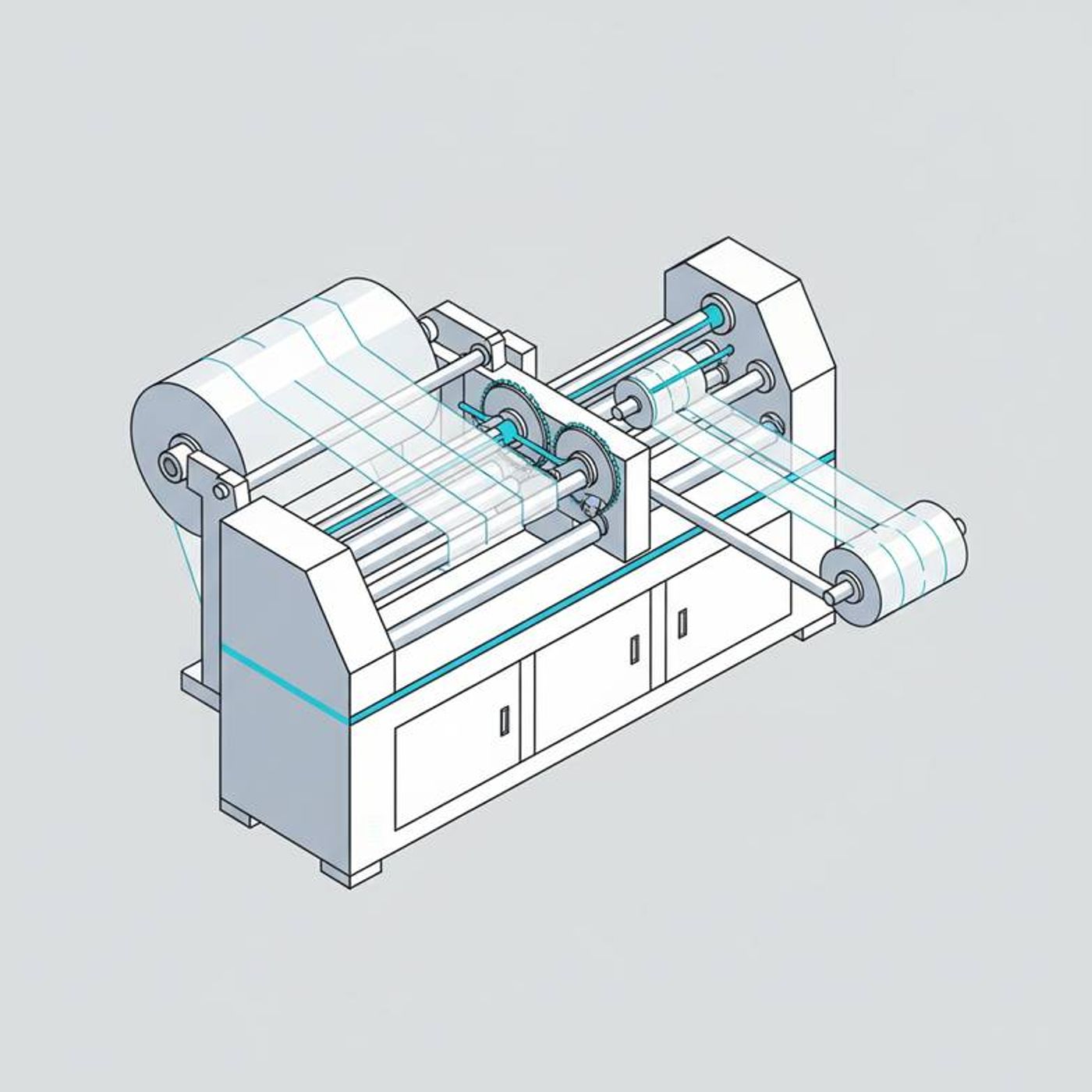
So, if there's no single right answer, how do you make the right decision for your operation? It starts by understanding why this is a complex issue. Let's dive into the specific risks involved, how different rollers change the game, and the machine features that can give you a reliable, high-quality slitting process.
What Are the Main Risks in Protective Film Slitting?
When people think about roller contact, their first worry is usually scratching the film. That's a valid concern, but in my experience, the more persistent and costly problems in protective film slitting are often a bit more subtle.
The main risks are not just physical damage but also adhesive transfer that contaminates your machine and static generation that ruins roll quality. These issues can lead directly to wasted material, customer rejections, and a lot of frustrating, unscheduled downtime for cleaning.
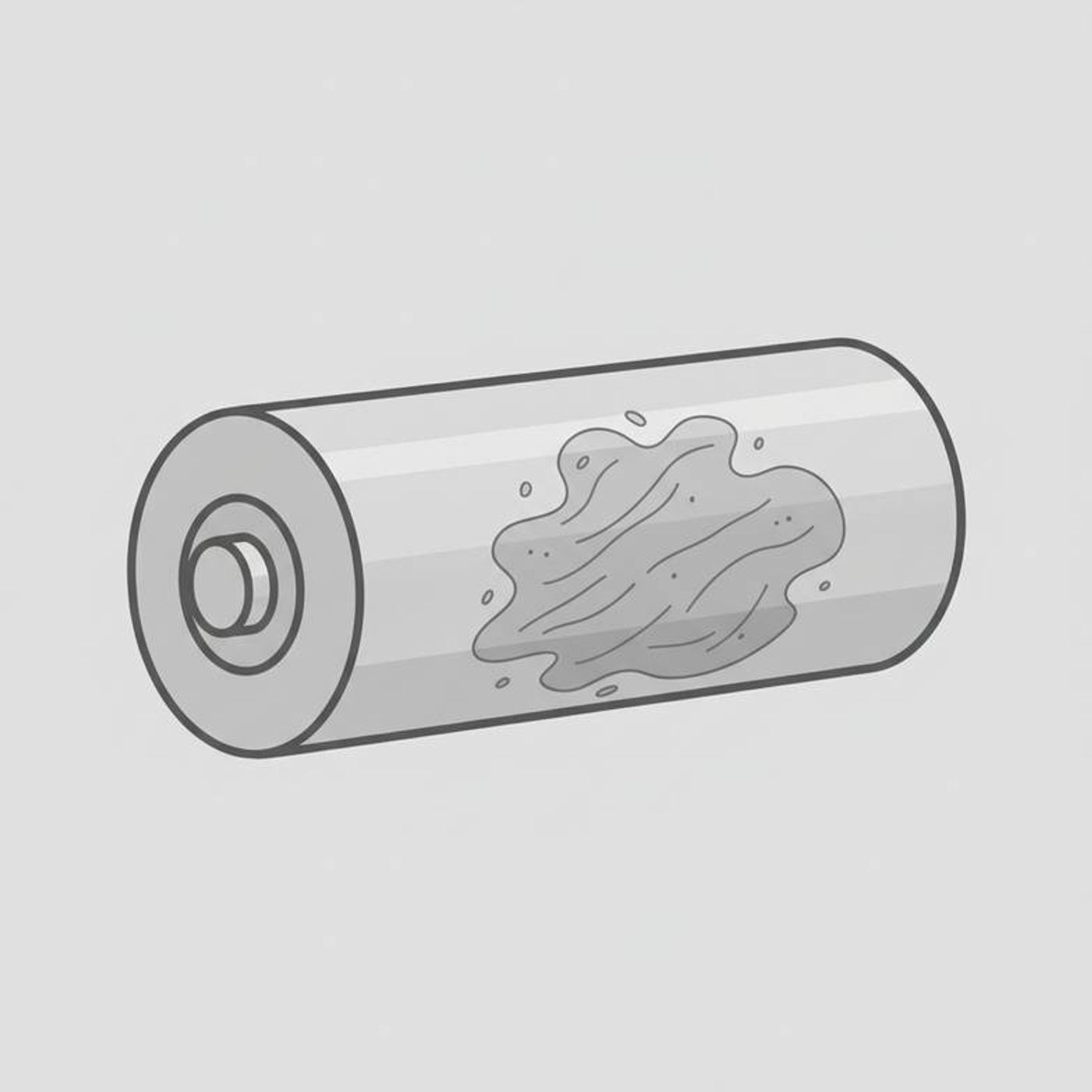
Let's break down these three key risks so you know exactly what you're up against.
Adhesive Transfer and Roller Contamination
This is the big one. Protective films use adhesives, often acrylic or silicone-based, that are designed to be tacky. When this adhesive side runs over a standard smooth roller, a small amount of that adhesive can transfer and stick to the roller's surface. At first, it might not seem like a big deal.
Here's the problem: that transfer is cumulative. Over thousands of meters of film, it builds up into a sticky, gummy layer. This contamination causes several major headaches:
- Changes in Tension: The increased friction from the sticky residue can alter your web tension, leading to inconsistent winding and potentially causing wrinkles or stretched film.
- Web Tracking Issues: As the buildup becomes uneven, it can cause the film to wander or track improperly through the machine, leading to uneven slit edges.
- Quality Defects: Bits of the hardened adhesive can break off and get wound into your finished rolls, creating lumps and defects that will get the roll rejected.
- Significant Downtime: The only solution is to stop the machine and clean the rollers with solvents. This is non-productive time that directly hits your bottom line. We've seen customers struggle with this daily before they invested in the right roller configuration.
Static Generation and Its Consequences
Okay, so what if you run the film with the non-adhesive side touching the rollers? That solves the adhesive problem, right? Not so fast. Many protective films have treated surfaces (like corona or anti-static coatings) on the non-adhesive side. As this surface moves over and separates from the rollers, it can generate a significant amount of static electricity.
Static causes two main problems:
- Contamination: A statically charged web acts like a magnet for any dust, debris, or loose particles in the air. For applications like optical films or medical-grade products, this is a deal-breaker. The contaminants get trapped on the film or, worse, on the adhesive side, ruining the product's value.
- Handling and Winding Issues: Highly charged finished rolls can be difficult for operators to handle. They can also "cling" together, and the charge can interfere with downstream automated processes.
Surface Damage (Scratching and Scuffing)
Finally, we get to the most obvious risk: physical damage. The non-adhesive side of a protective film is often the functional surface that the film is meant to protect—it could be a high-gloss, anti-glare, or hard-coated layer.
Any contact with a rough, dirty, or damaged roller can cause irreversible scratches or scuff marks. Even a perfectly smooth roller can cause damage if a piece of debris gets trapped between it and the film. This is especially true for idler rollers that aren't turning at the exact same speed as the web, creating a slight drag. Once scratched, that section of film is scrap.
Does Every Roller Pose the Same Risk in the Web Path?
Thinking that all rollers in a slitting machine are the same is a common mistake that can lead to a poor equipment choice. In reality, each roller has a specific job, and that job completely changes its risk profile when it comes to contact with your protective film.
No, different rollers have unique functions and therefore present different risks. Idler rollers that simply guide the web have very different contact dynamics compared to nip rollers that apply pressure or contact rollers that drive the final rewound roll. Understanding this is key to configuring your machine correctly.
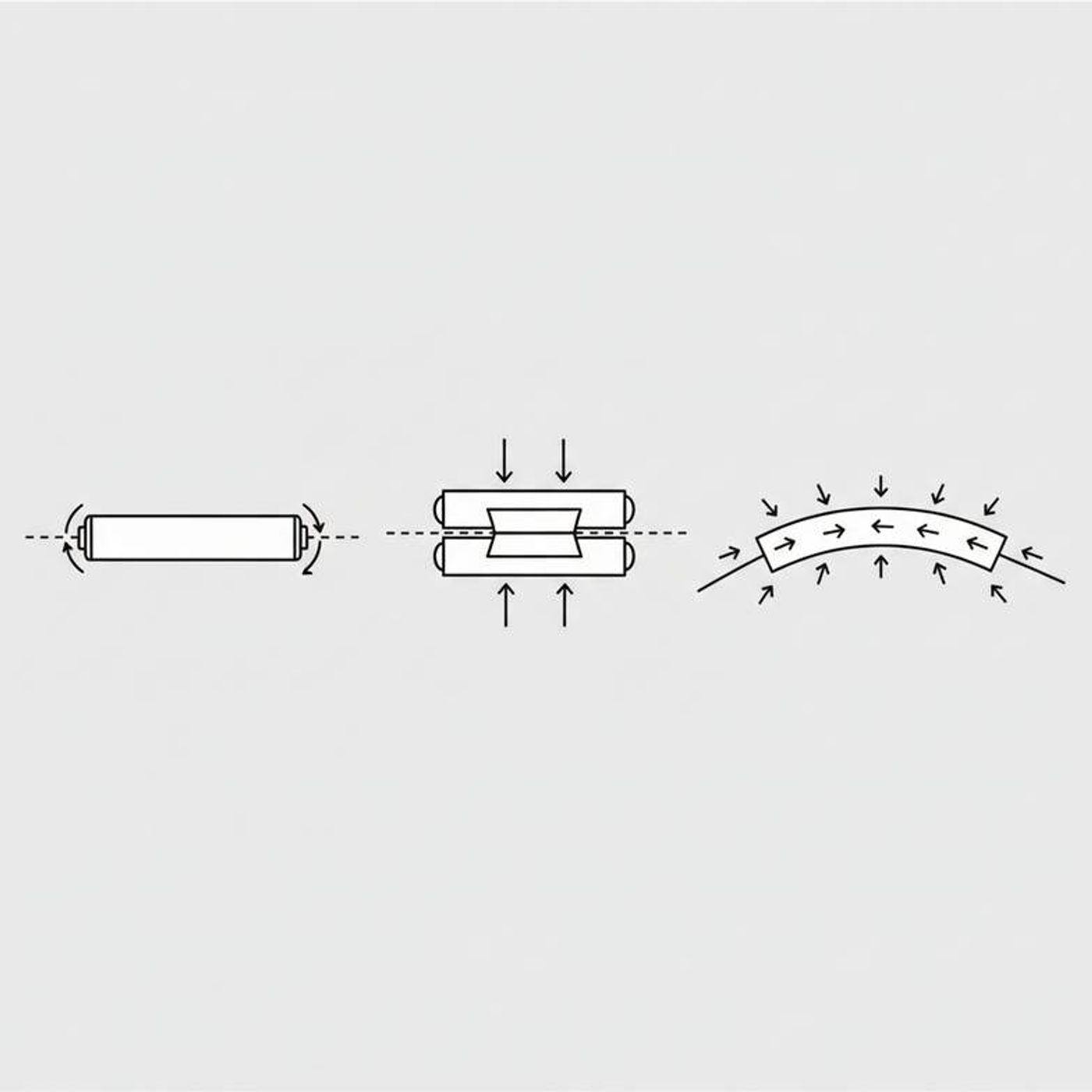
Let's look at the main types of rollers in a slitting machine's web path and the specific considerations for each.
Idler Rollers (Guide Rollers)
These are the most numerous rollers in a machine. Their only job is to support and guide the film from the unwind stand to the rewind shafts. They should spin freely with minimal friction.
- Risk Profile: For idlers, the primary risk is often static generation when contacting the non-adhesive side, or a slow buildup of adhesive if the tacky side is in contact. Because they are passive, any friction or speed mismatch can also cause scuffing.
- Solution: If the adhesive side must touch idlers, using rollers with a low-contact-area surface (like a fine spiral groove) can dramatically reduce adhesive transfer. The goal is to minimize the surface area touching the adhesive. For the non-adhesive side, ensuring the rollers are ultra-smooth, clean, and paired with a static control system is critical.
Spreader Rollers
Spreader rollers, like bow rollers or grooved rubber rollers, are designed to actively remove wrinkles and flatten the web before it enters the slitting section.
- Risk Profile: These rollers are a major risk for adhesive contamination. The adhesive can get trapped in the grooves or moving segments of a bow roller, making them very difficult to clean and causing them to malfunction.
- Solution: In my experience, it's best to position the web path so the adhesive side avoids contact with the spreader roller whenever possible. If contact is unavoidable, a hard-chrome plated or non-stick coated grooved roller is a much better choice than a rubber one, as it's easier to clean.
Nip Rollers
A nip roller is a pressure roller. It typically presses the film against a driven roller (like the main pull roller) to create traction and isolate tension zones.
- Risk Profile: This is a high-risk, high-pressure contact point. If the nip roller is pressing on the adhesive side, adhesive transfer will happen quickly and aggressively.
- Solution: This is one of the most critical areas for component selection in protective film slitting. If the nip roller must contact the adhesive, it absolutely needs a specialized surface. This usually means a high-performance non-stick coating (like PTFE) or a specific silicone rubber compound designed for easy release.
Contact Rollers (for Surface Winding)
In a surface-winding configuration, a large contact roller (or drum) drives the rewinding rolls by turning against their outer surface.
- Risk Profile: This is the highest risk of all. The contact roller is in constant, high-pressure contact with the final layer of your product. If you are winding adhesive-side-out, the entire roll is being driven by pressure on the adhesive.
- Solution: A standard steel or rubber roller will fail immediately in this application. The contact roller must be engineered for this specific task, often featuring a robust non-stick coating combined with grooving to reduce contact area and expel any trapped air.
How Can Machine Configuration Manage Risks in Protective Film Slitting?
Feeling caught between the risk of adhesive contamination on one side and static or scratches on the other? You don't have to just pick the lesser of two evils. The right machine configuration can actively manage and mitigate these risks, allowing for successful protective film slitting.
A well-configured machine for protective film uses specific components and design choices to solve these problems. Key features include specialized non-stick roller coatings, low-contact-area grooved surfaces, effective anti-static systems, and an optimized web path that minimizes contact where it matters most.
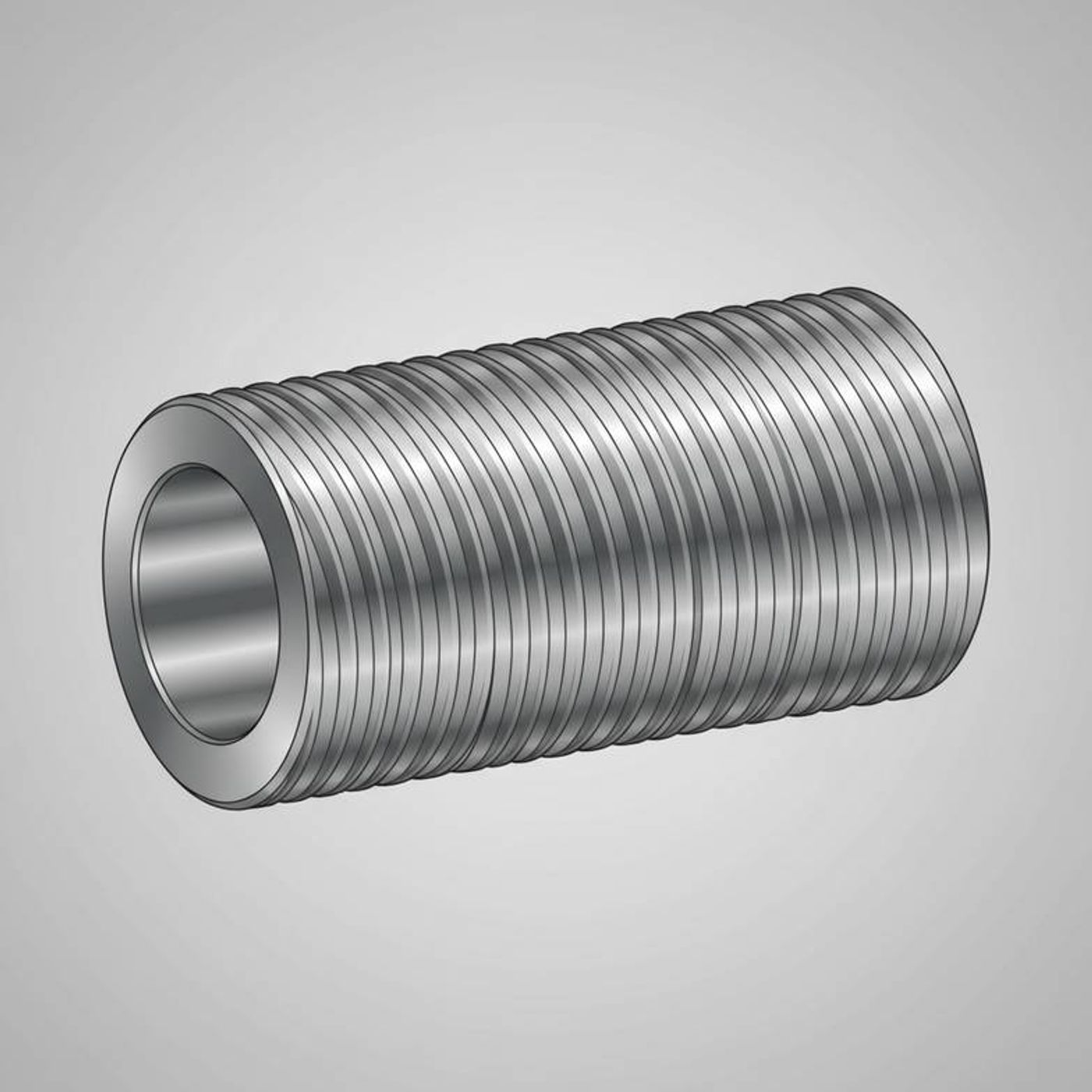
When you discuss your needs with a machine supplier, these are the features and solutions you should be talking about.
Specialized Roller Surfaces
This is your first line of defense against adhesive transfer. Instead of using standard smooth chrome or aluminum rollers, you can specify surfaces designed for tacky materials.
- Non-stick Coatings: Coatings like PTFE (Teflon) or other specialized polymers create a low-energy surface that adhesive struggles to stick to. This is especially vital for high-pressure points like nip rollers and contact rollers.
- Grooved / Low-Contact-Area Rollers: These rollers feature a pattern, such as a spiral or diamond groove, cut into their surface. This dramatically reduces the amount of surface area that actually touches the film's adhesive. This is a very effective strategy for idler rollers. As a bonus, these grooves also help channel air away, preventing air bubbles from getting trapped in the rewound roll.
Effective Static Control
If your process requires the non-adhesive side to contact the rollers, a static control system isn't optional—it's essential.
- Active Anti-Static Bars: These are ionizing bars placed in the web path, typically right after a point where the film separates from a roller (like after the unwind or before the rewind). They flood the film's surface with positive and negative ions, neutralizing any static charge that has built up.
- Passive Static Dischargers: Things like conductive tinsel or carbon fiber brushes can also be placed very close to the web to help dissipate charge, though active bars are generally more effective for high-static applications.
Optimized Web Path Design
Sometimes the simplest solution is the most effective. How the film is threaded through the machine can make all the difference. When we work with a customer, one of the first things we discuss is the web path. Can we design it to avoid contact on a critical surface? For example, can we ensure the sensitive non-adhesive side only touches rollers after the slitting knives, right before being wound up? Small changes in roller placement can have a huge impact.
This table summarizes how these features address specific problems:
| Feature | Problem Solved | Best For... |
|---|---|---|
| Non-stick Coatings | Adhesive Transfer | Nip rollers, contact rollers, high-pressure points |
| Grooved Rollers | Adhesive Transfer, Air Entrapment | Idler rollers, guide rollers |
| Anti-Static Bars | Static Buildup | After unwind, before rewind, points of separation |
| Optimized Web Path | General Contact Risk / Surface Damage | The entire process; discussed during initial configuration |
Frequently Asked Questions
Is a silicone adhesive film harder to slit than an acrylic one?
It can be. While silicone adhesives often have a lower initial tack, they can be more prone to "creeping" and transferring to rollers over a long run. This requires very careful roller selection, often with specialized coatings, and potentially more frequent cleaning protocols. Always confirm with tests on your specific film.
Can I just clean the rollers more often instead of buying special ones?
While regular cleaning is always a good practice, relying on it as your main strategy is inefficient. Frequent stoppages for deep cleaning with solvents destroy your productivity and increase labor costs. Specialized non-stick or grooved rollers are an investment designed to extend the runtime between cleanings, lowering your total operating cost.
What should I send a supplier to get the right machine recommendation?
To get an accurate recommendation, you need to provide more than just the film's width. Send a full technical datasheet for your protective film, a sample roll if possible, and your target finished roll specifications. Clearly state which side is adhesive and describe any treatments on the non-adhesive side. This is the minimum information we need for a proper risk assessment.
Does winding speed affect which side can touch the rollers?
Absolutely. Higher speeds can increase both static generation and the likelihood of adhesive transfer, partly due to heat buildup from friction. A machine configuration that works perfectly at 50 meters per minute might be a complete failure at 200 meters per minute. It's crucial to tell your supplier your target production speed.
Conclusion
Successful protective film slitting is not about finding a magical rule for which side can touch the rollers. It's a technical decision based on a risk assessment of your specific material and process. By understanding the distinct threats of adhesive transfer, static buildup, and physical damage, you're empowered to ask smarter questions. The conversation should shift from "Which side can touch?" to "How does this machine's configuration mitigate the risks for my film?" By focusing on features like non-stick coatings, grooved rollers, and effective anti-static systems, you can partner with your supplier to build a machine that delivers high-quality rolls with maximum uptime.
If you are evaluating a slitting machine for a challenging protective film application, our team is ready to review your technical requirements. Contact DJH Machinery today to discuss your material specifications and discover the right configuration for your production needs.
Continue the Technical Review
For a closer look at the selection and operating questions raised in this guide, read Film Slitting Machine Selection Guide for Plastic Film Converters and Packaging Manufacturers and compare the recommendations in Slitting Printed Packaging Film: How to Record Registration and Repeat Requirements.